• McCarthy Collision Center

Does My Car Need Rust Repair?

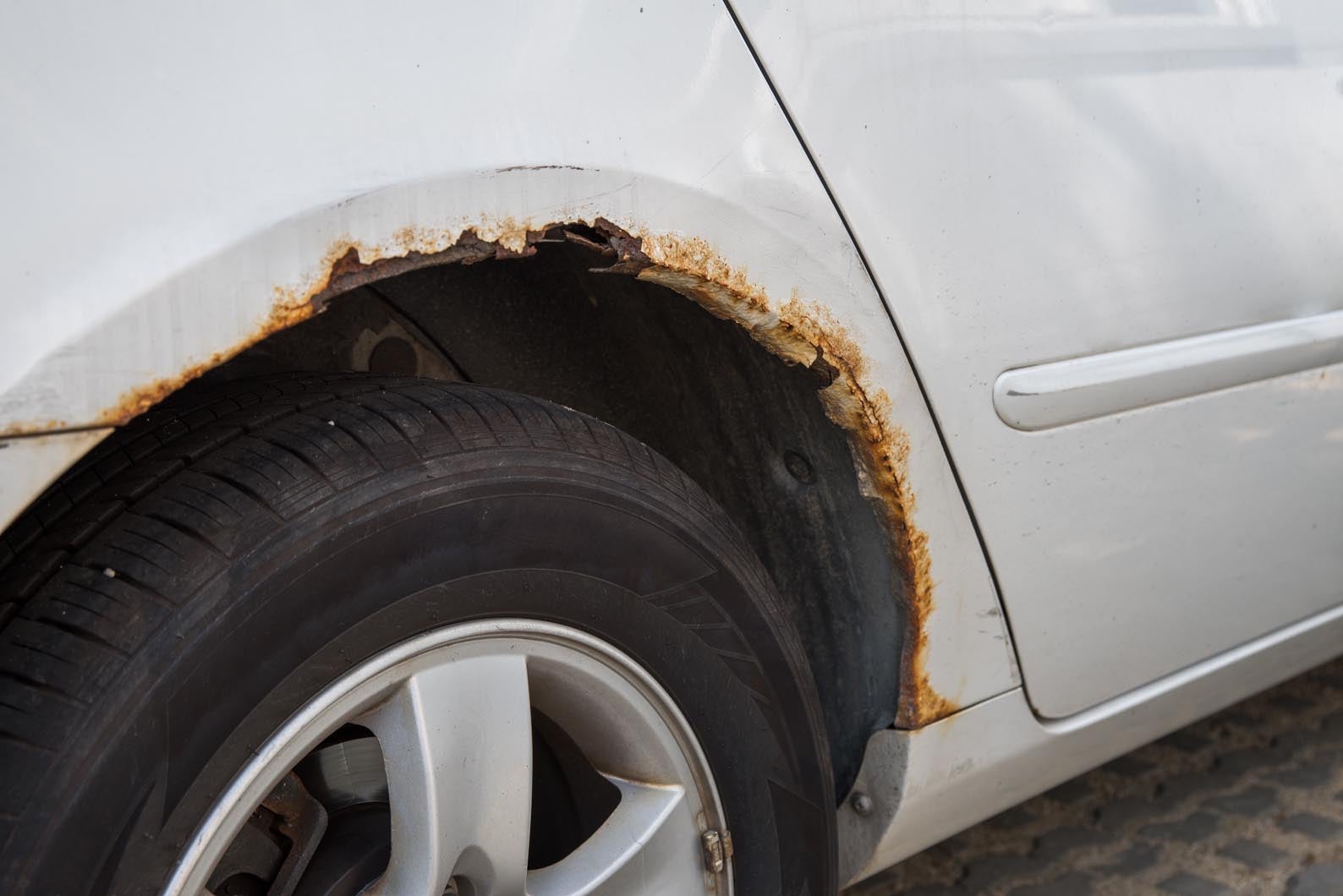
While there are a few cosmetic issues that are sure to put a damper on your day, spotting rust spots on your vehicle is a strange one. It clearly isn’t a good sign, but many people ignore small rust patches and chalk it up to the car getting older. However, while rust isn’t pretty to look at, it could be a much bigger problem than you think. 

Why does my car have rust spots? How much rust is too much? Is rust on a car worth fixing? These are just a few of the questions that will pop into your head if you spot rust on your vehicle, and we aim to answer all of them and more, plus offer some car rust prevention tips to help you keep your car looking like new. If you’ve noticed rust on your vehicle, or are worried about car rust repair cost worries cropping up down the road, keep on reading. 

Read the rest of this entry »
Is My Car Totaled? An Informative Guide

An accident is a stressful, harrowing, and terrifying experience every time it happens. Whether it’s a moderate fender bender, a collision when your vehicle was parked, or a major crash, one of the biggest concerns once your nerves have settled is whether your vehicle is all right. Will you need dent repair? Is it worth saving? 

It’s never a good feeling to find out your car, truck, or SUV is totaled, but the waiting can often make matters worse. However, there are a few ways to accurately guess the diagnosis. If you don’t want to ask yourself, “Is my car totaled?” after an accident, this guide is here to help. Read on to learn how to determine if your car is totaled

Read the rest of this entry »
Paintless Dent Repair: What, When, and Why

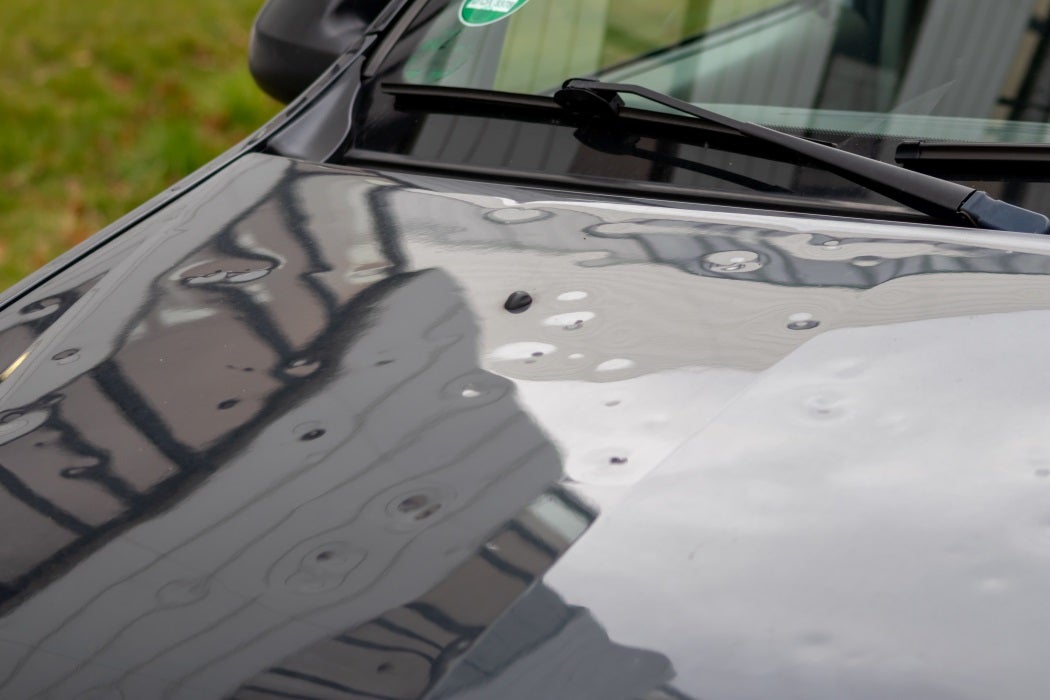
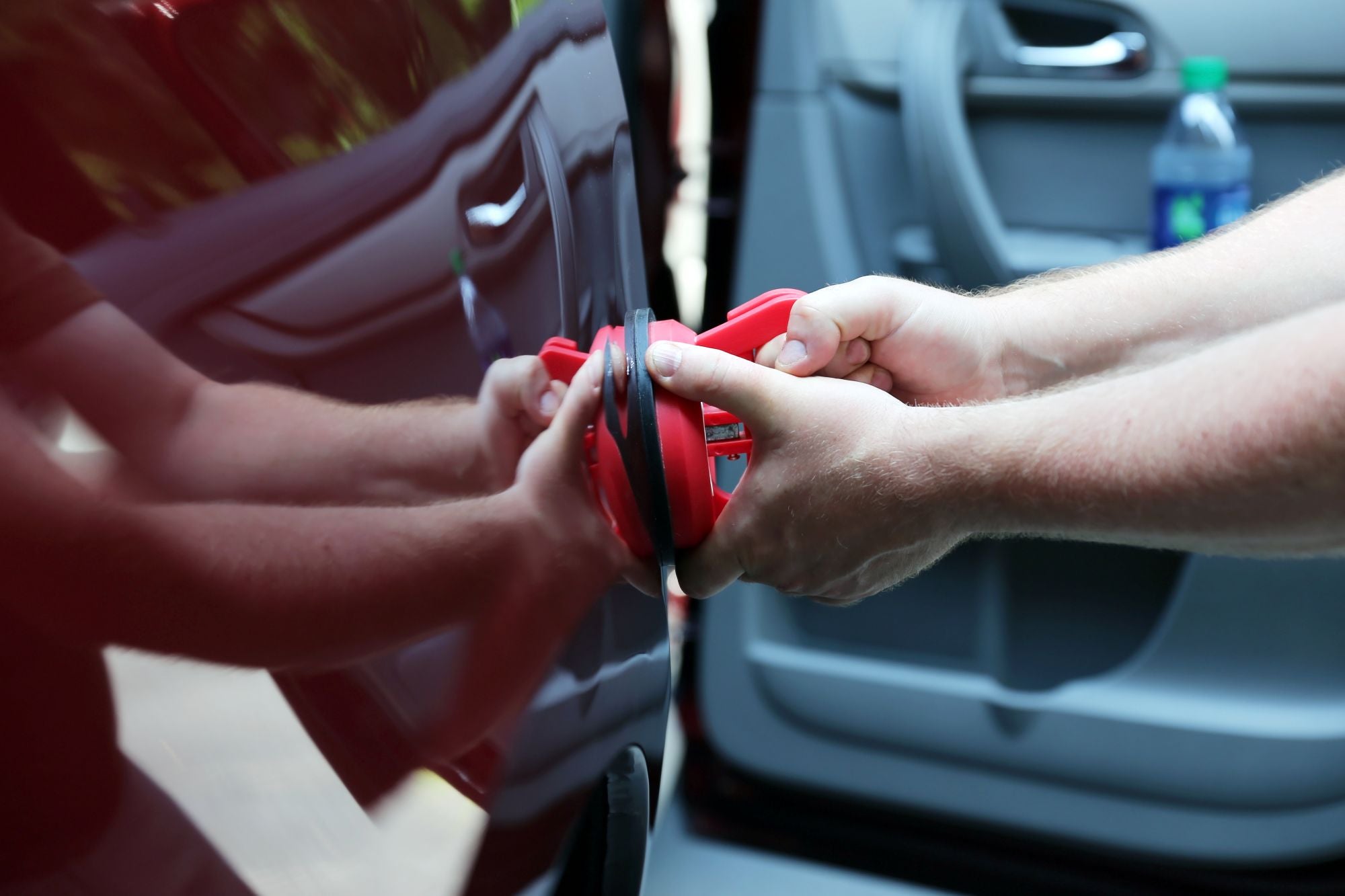
Paintless dent repair gets your vehicle back into good physical health in a quick, easy, and affordable way. Sometimes things can happen, such as backing into an obstacle, getting into a fender bender, or, in some cases, dents can even just seem to magically appear. Whatever the cause, dents in your vehicle don’t look so great, and they can negatively impact the value of your vehicle if you were considering selling or trading-in. 

But what is paintless dent repair exactly? How does it differ from your run-of-the-mill dent repair? When should you opt for one and not the other? In this paintless dent repair overview, we’ll look at what you can expect from the service at a collision repair center and when it’s right to choose paintless dent repair. Let’s dive in. 

Read the rest of this entry »
What Car Maintenance Should I Do Before a Big Road Trip?

There’s nothing quite like the call of the open road. You go where you want, you see the sights along the way, and you have your choice of entertainment as you go. There’s just one thing—wouldn’t it put a damper on your big journey if your vehicle broke down on the way?  

Road trips are one of the last great expressions of freedom. So, why wouldn’t you want to ensure your freedom is safe from car troubles as you go? In this long road trip car maintenance checklist, we’ll go over how to prep your car for a road trip to avoid any unwanted service center stops. Read on to learn the long road trip car maintenance tips to ensure smooth sailing. 

Read the rest of this entry »

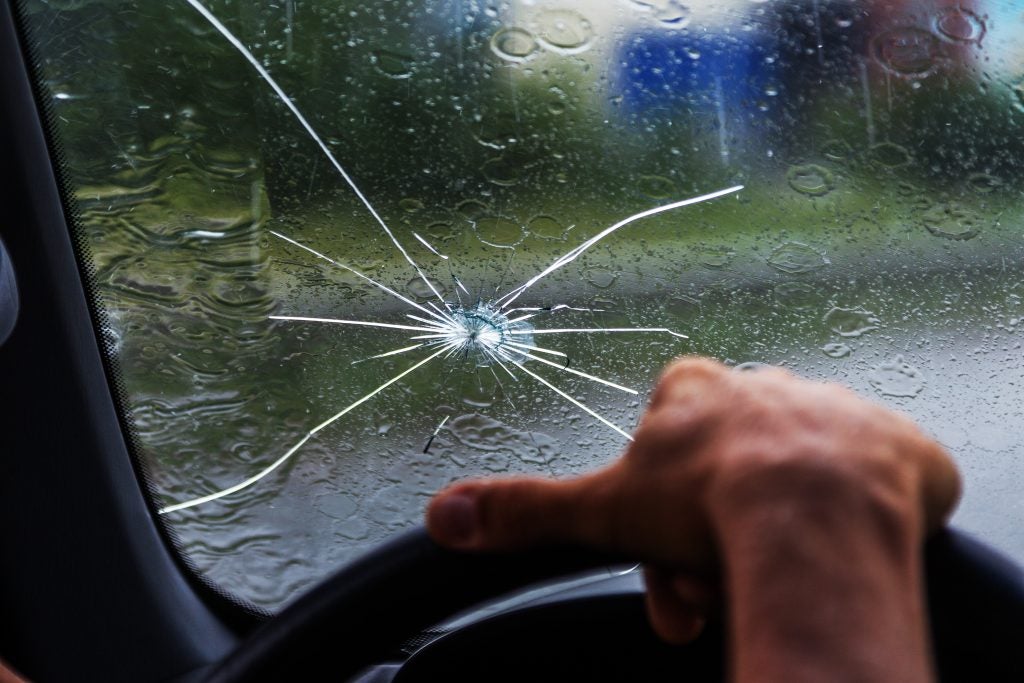
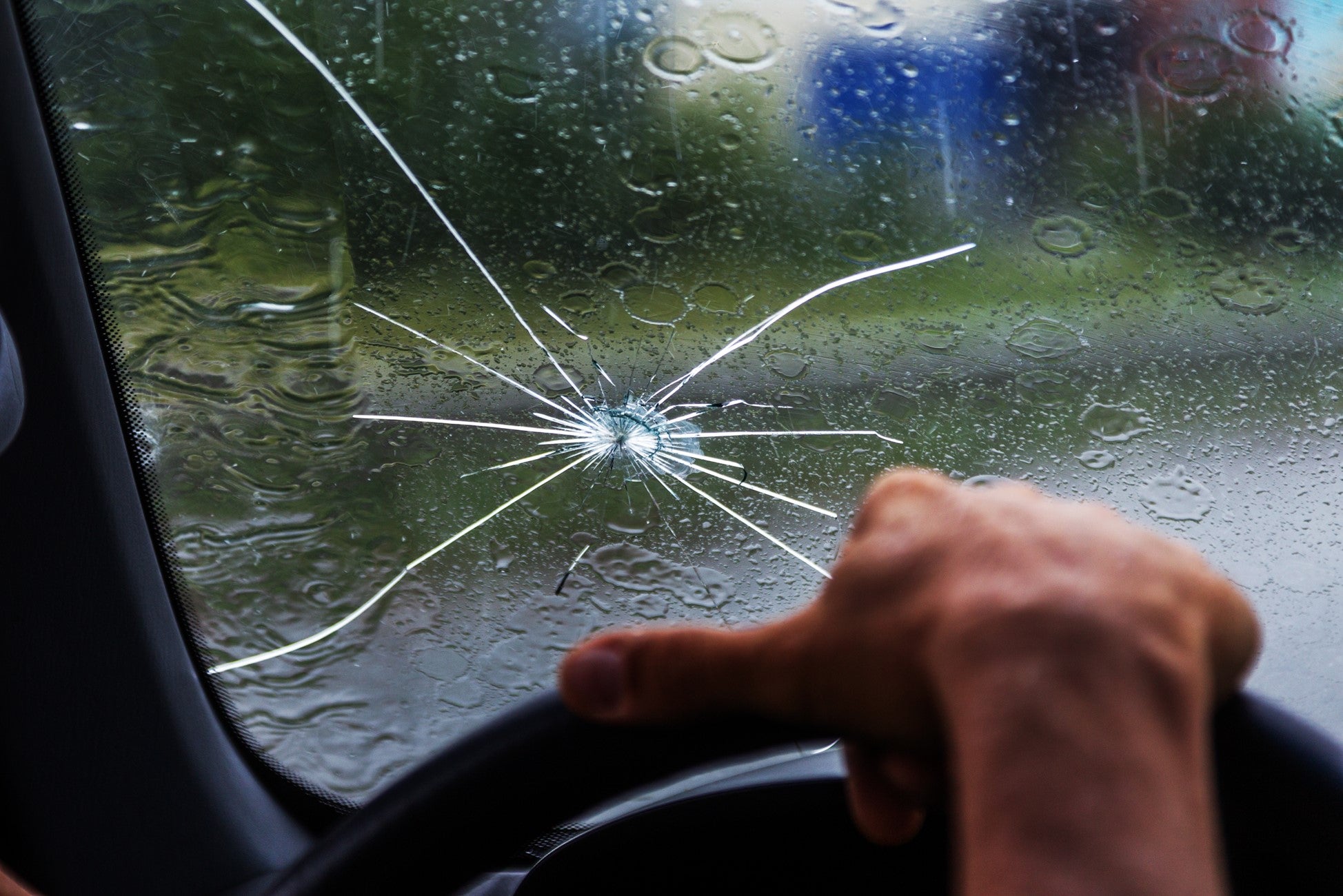
Have you heard that ominous “tick” sound while driving one day, only to notice a lovely chip or crack in your windshield a few days later? It’s incredibly frustrating to see windshield damage when you sit behind the wheel because it feels like just one more thing on your already full to-do list. Can it be put off? Is it dangerous to keep driving with windshield damage? Read on to learn when to replace a windshield, more about auto glass replacement, and when you can’t put it off any longer. 

Read the rest of this entry »

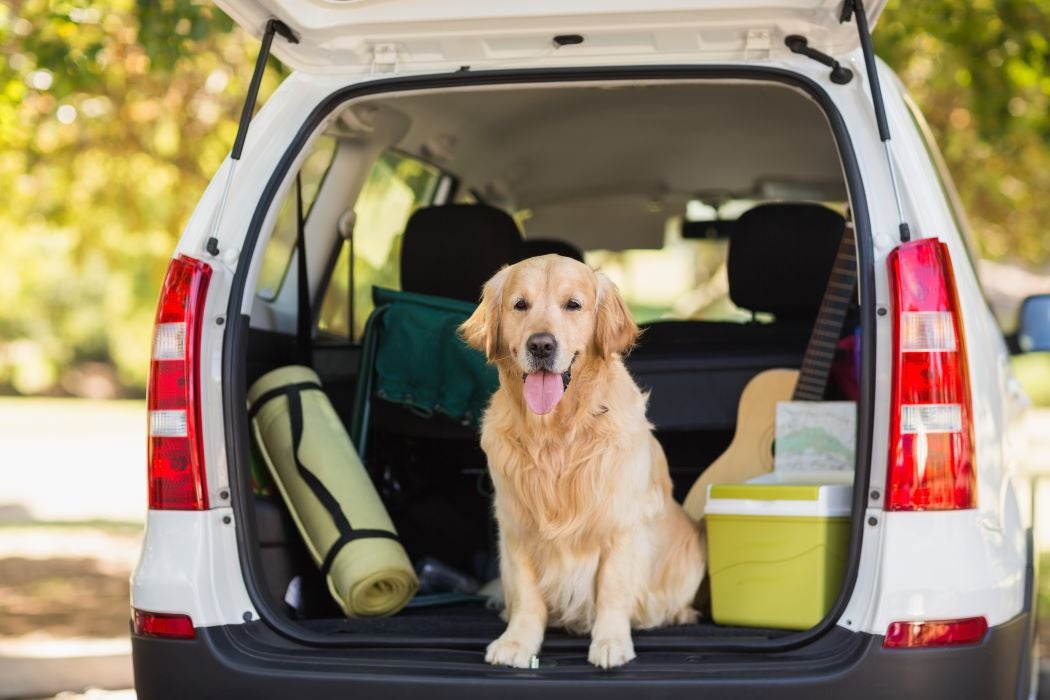
We all love our furry friends, but let’s be honest, they don’t do your upholstery any
favors. Claws wreak havoc on leather and vinyl. Wet noses and tongues muck up the windows. And have you ever
tried to get dog hair out of your carpet? Yikes.

Still, sometimes leaving your little buddy at home just isn’t an option. The good news is that
there are plenty of ways to bring pets along for the ride without sacrificing your car’s interior. Here’s our
list of pointers.

Read the rest of this entry »


Whether it’s at the beginning or the end of the process of searching for a new car, truck, or
SUV in Kansas City, you’ll need to determine if you want to purchase or lease. Is it better to pay more over a
longer period of time to own the vehicle, or is it better to pay a lower amount to have the car in your care for
some time and then repeat the process in a few years?

Only you can decide which is best for you, and it often comes down to budgeting, but we’ll
review the perks and drawbacks of buying vs. leasing a vehicle to help you determine which path to take.

Buying a Vehicle in Kansas City

The Basics:

You find the new car, truck, or SUV you like, and it feels comfortable to drive and negotiate
a price that works for your budget and the dealership. You can also lower the overall cost by trading in your
current vehicle, and the more you put towards a down payment will lower the amount you need to borrow as a loan.
The lower the loan = the less you pay monthly.

When purchasing a car, you can choose the accessories and features you want and need
in your vehicle. If you want to upgrade the sound system to turn every drive into a private concert or front-row
seats to your favorite podcasts, that’s an easily accessible possibility. You also can drive as much as you
want. Have a big road trip lined up? You can drive as much as you want without fear of breaching a contract.

Once your loan is paid back, you own the car outright. Working with a trusted finance center
at a dealership is one of the best things you can do. For example, our team works with our vast network of
trusted lenders to find you the best rates to make the vehicle of your dreams a reality. No matter what your
credit score is, we’ll help you drive off the lot happily and confidently.

The Drawbacks:

The unfortunate truth is that 99% of cars start to lose value the second you drive
away from the dealership, which means you won’t get the best return on investment if and/or when you decide to
sell it. Now, to be fair, as opposed to a lease, you can sell it when you choose to.

Buying a vehicle will be more expensive upfront because of the down payment, but the monthly
payments will likely be lower. You’re also subject to sales tax and interest on the total value of the vehicle.
You’ll have a warranty, but coverage will likely end before you sell, which means repairs for costly damages
will fall on you (transmission, alternator, etc.).

Leasing a Vehicle in Kansas City

The Basics:

A lease is effectively renting the car, but at a much lower rate than purchasing the car
outright. Most leases last 2-3 years, and during that time you’ll have a contracted number of miles you can
drive before you start to incur penalties (in the form of fees). To put it in the simplest terms and
perspective, you’ll pay less for the lease during the 2–3-year period than you would during that same amount of
time if you purchased the vehicle.

When you lease, you get the latest features in new vehicles and can enjoy the ride vs. driving
an older model that doesn’t have all the flash that other vehicles do. You also don’t have to worry about the
car depreciating in value. Speaking of value, the warranty will cover most if not all of the lease period, so
maintenance costs are low if not $0.

The Drawbacks:

Once the lease ends, you’re back at square one, needing to pay a down payment and go
through financing. You’ll also have to adhere to the mileage limits of your lease, the upper limit of which is
usually around 15,000 miles per year. If you’re someone who likes taking road trips, a lease may not be the best
option.

While you get all the latest tech and safety features, there’s little room for
customizing the vehicle to your liking — what you see is what you get. While the warranty will cover most
maintenance tasks, it doesn’t cover all of them, and you’ll need to go to specific service centers and use
manufacturer’s parts, which can be a bit more expensive, but they won’t void the warranty.

You also need to be on top of your payments as failure to pay can be seen as breaking the
leasing contract and, therefore, incurs some hefty fines.

Buy or Lease Your Next Vehicle in Sedalia

No matter your choice, buying or leasing your next vehicle with McCarthy guarantees you’ll get
the best rates and the highest quality vehicles that will run reliably and keep you and your passengers or
family safe. Contact us at one of our locations for more information or to set up a test drive.


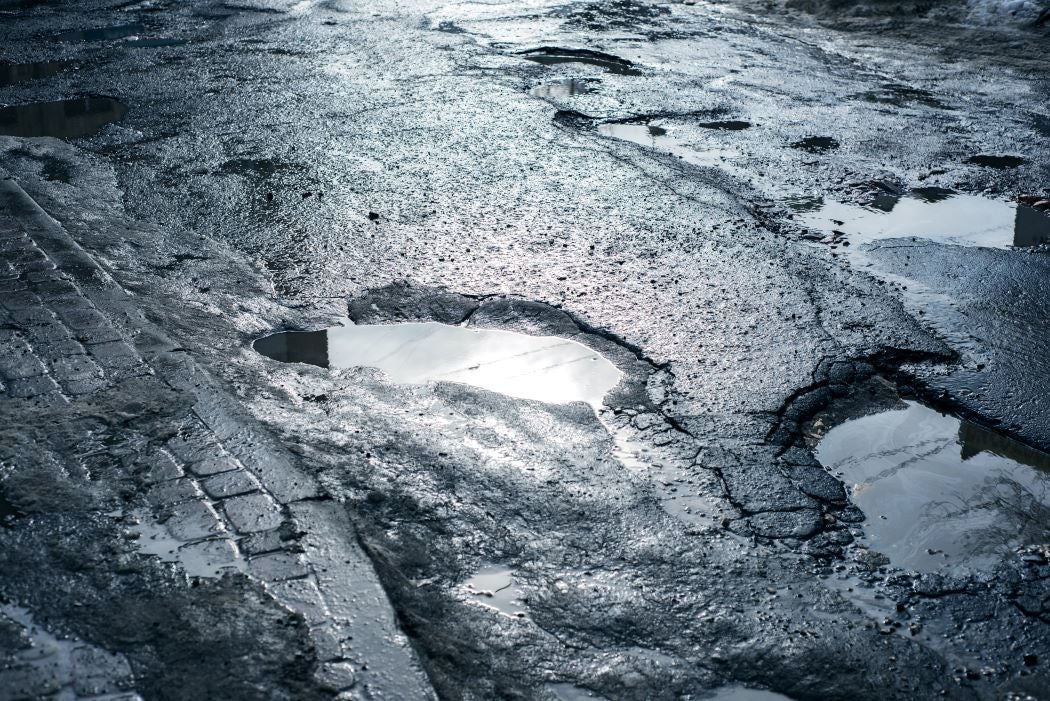
There are only a few worse feelings than driving along, enjoying your favorite song, playlist,
or podcast on your way to work or home, and bouncing in the driver’s seat because you hit a hidden pothole in
the road. It can turn a good day into a bad one or a bad day into a worse one; now you need to worry about
pothole damage to your car, truck, or SUV and if you’ll need to bring it to a service center for repairs. While
drivers in Kansas City, Lee’s Summit, and Olathe are no strangers to potholes in the roads, it never hurts to
have a refresher course on how to avoid potholes and why you should bring your vehicle to your local service center.

How to Avoid Potholes

While it would be the simplest answer in the world to say, “Just look out for potholes and
drive around them,” and it may work most of the time, drivers understand that approach won’t always work.
Potholes can be hidden by water or debris, it could be too dark to see them in time, or any other number of
reasons. So, while the first tip to avoiding potholes is to pay close attention to the road and avoid
distractions (smartphones being one of the greater issues at hand), there is more that goes into dodging
potholes on the road safely. Without further ado:

Tip 1: Look Carefully

If you can see it, you’ll know how to avoid it. Reduce distractions and keep your eyes on the
road.

Tip 2: Drive Slower

If you avoid speeding, you’ll have more time to react when you see a pothole. Now, a caveat
here is that other drivers on the road may make this more difficult. Someone tailgating you may cause you to
speed up (and also be distracted looking in your rearview mirror). It’s best to try and avoid speeding to give
yourself the time to react.

Tip 3: Avoid Puddles and Debris

What may seem like average debris you can roll over or a puddle you can splash through on your
drive may have a substantial pothole underneath it. Try to go around puddles as often as you can to dodge diving
into a crater.

Tip 4: Use Headlights Properly

If it’s dark, potholes look like any other portion of the road. Keep your headlights on and
use the high beams when necessary to get as much lighting in front of you as possible to maximize visibility
before it’s too late.

Tip 5: Keep to the Middle

While potholes can technically pop up anywhere, you may see them more frequently on the sides
of the road. Staying in the middle may lower your chances of hitting a pothole.

Tip 6: Inflate Your Tires

Following the manufacturer’s tire pressure recommendations will increase your odds of
soldering on over potholes and minimize damage. This isn’t a surefire way to mitigate damage, but it can avoid
flats or bubbles.

Tip 7: Replace Worn Tires

Tires with barely any tread left are more susceptible to punctures and bubbles when you run
over a pothole. If your tread is looking low (or nonexistent), replace your tires to avoid a flat or a blowout.

What to Do After Hitting a Pothole

Check Your Vehicle

If you hit a pothole and think your car, truck, or SUV may be damaged, here’s a quick
checklist to go over to assess your vehicle’s status.

Tires

The first place to look is your tires. Check for flats or bubbles and replace them
accordingly.

Wheels

If your tires didn’t have enough tread or weren’t inflated properly, your wheels may become
bent, cracked, or overall damaged if you hit a pothole the wrong way.

Shocks

If you notice a bumpier ride after hitting a pothole, your shocks may be damaged or broken
entirely. Make a note of how your car drives in the aftermath of hitting a pothole.

Suspension and Alignment

If your car shakes at higher speeds or pulls in either direction, your suspension or alignment
may be to blame. If you think your vehicle needs suspension repair, it is
best to take it to a service center.

Exhaust

Strange sounds may emit from your exhaust system if you hit a pothole, and you will need care
from a trusted mechanic at a collision center.

How to Repair a Pothole

Report any potholes you come across to your city or county government. If you want to fill a
pothole, this is the best way to go about it. Your local government has a road department that will fill them in
(ideally quickly).

Bring Your Car in for Inspection

When you hit a pothole, and your car doesn’t sound or handle how it used to, your
vehicle is likely suffering from pothole damage and will need a keen eye to source and fix the issue. If your
vehicle is suffering from pothole damage, bring it into one of our service centers: we service Blue Springs,
Lee’s Summit, Kansas City, Olathe, and Overland Park residents to help keep them driving safely. Contact us
to find the closest pothole collision center near your, or call us to set up an appointment in any of these
locations:

Blue Springs,
MO

(816) 224-7575

Lee’s Summit,
MO

(816) 313-4531

Olathe,
KS

(913) 324-7300

Overland Park,
KS

(913) 649-2999


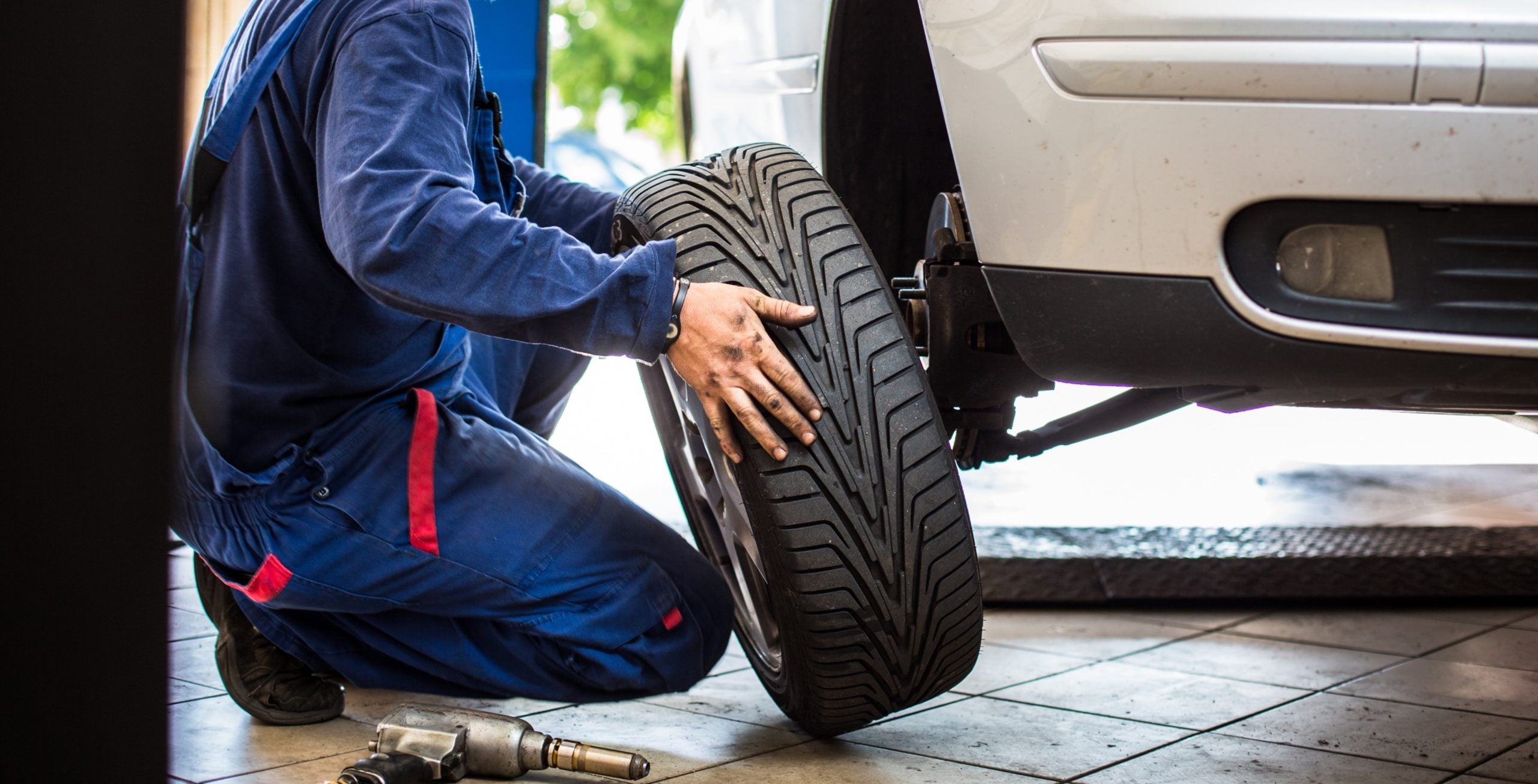
Did you hear a strange rumbling noise while you were driving and had to pull over, or did you
walk up to your car to find you had a flat tire? Flats can have several causes including:

  • Nails or screws in the road
  • Potholes
  • And other sharp objects

A fact of life is that driving around Kansas City will inevitably lead to a flat tire from a
puncture at some point. The question is: do you need to find a tire repair shop to replace the
tire or repair it? With a few variables at play, let’s look at when you should repair or replace your flat tire.

Tire Patching

To sum up before we dive in: if a tire is in good condition and only has a small
puncture less than 1/4″ wide in the tread, it can be replaced.

Here are some things to consider when you want to fix the issue with tire patching.

The tread on the tire: the less tread on your tire, the worse
condition it’s in; this can lead to more frequent or more severe punctures and leaks.

Has the tire been repaired before: In some cases, a tire can be
repaired once before and there will be no issue if you bring it into a tire repair shop for another flat.
However, in order to be repaired, the new leak cannot be too close to a previously repaired leak as it degrades
the quality and lifespan of the tire quickly, leading to another flat down the road in a shorter amount of time.
You also cannot exceed two repairs on the same tire.

Is the damage to the sidewall or shoulder of the tire: If the answer is yes,
then you will need to replace the tire entirely as damage to these areas cannot be fixed. Let’s look at that in
a bit more detail now.

When to Search “Tire Shops Near Me”

As mentioned earlier, a major factor in the tire repair vs. replacement debate is the
quality of the tire’s tread. An age-old trick to test your tire’s tread is to put a penny in the groove. If
Lincoln’s head doesn’t dip below the tread line, it’s time to replace the tire. If you get a leak with low
tread, absolutely replace the tire.

If there is a nail or a leak in the sidewall or the shoulder of the tire (effectively
where the tire starts to change from flat to curved), you’ll need to replace the tire as these locations cannot
be patched.

If your tire has been patched twice already, or if the new leak is within 16 inches of
a previous patch, the tire cannot be salvaged, and you’ll need to get a new one.

Bonus point: If you notice a bubble on the side of your tire, say, from hitting a pothole a
little too hard because you didn’t see it, absolutely replace your tire. If your tire has a bubble and you
continue to drive on it, you could face a blowout on the road. Please take it to a tire repair shop before
disaster strikes. If you experience a flat or a blowout, always call a reliable towing service to
get you to a nearby tire shop.

Tire Patching When You Need It

If you’re near Kansas City or Olathe,
KS
, and need a tire repair shop, come by our service center to have your vehicle looked at and fixed up.
Our expertly trained mechanics can help determine if your tire can be repaired or find a suitable replacement
quickly to get you back on the road in no time. Contact us today to schedule
an appointment or call us at (913) 324-7300 for more information about tire patching and replacement.

cracked windshield

There isn’t any other sound quite as fear and anxiety-inducing as a pebble or rock
smacking your windshield at 60+ MPH on the highway, only to see a dent or crack immediately forming. Similarly,
few events feel as exasperating as walking to your parked car and seeing a crack formed on your windshield,
seemingly out of nowhere. While a cracked windshield isn’t the end of the world, it’s an annoyance that no one
thinks about until it happens.

Then you have to think and ask yourself: Do I have to deal with taking this to a
service center near me, or can I keep driving until it really becomes a problem?

Fortunately, this quick guide will help shed some light on windshield chip repair and when you
need to take care of windshield issues that come up.

Assess Your Cracked Windshield’s Damage

There really are only two options for repairing a cracked
windshield
, and it depends on the size of the crack and the style of the windshield in question.

A Large Crack in Your Windshield

Your front windshield is the most likely place to have a crack since vehicles in front of you
can kick up pebbles, rocks, and debris that will ding your windshield as you drive. If the crack is larger than
a few inches, your windshield’s structural integrity is compromised. When this happens, these are the ensuing
results, in no particular order:

  • Poor temperature regulation as heat or air conditioning escapes through the crack.
  • Limited visibility (location and spread dependent) makes driving difficult and
    possibly leads to further accidents and injury.
  • The windshield cracking all over or “spidering,” rendering the vehicle undrivable.

When you encounter a wide or deep crack, it is best to replace your windshield before the
crack worsens and limits your visibility while driving. Repairing a cracked windshield is fast and easy — and
will keep your car working optimally on the road.

A Small Crack in Your Windshield

If you only have a small dent or crack in your windshield, there isn’t an immediate
need to rush to an auto body shop. In some cases, with a small enough cracked windshield, you can have the
windshield repaired rather than outright replaced. It’s not recommended to let it go too long without getting
looked at, but you have some time. Eventually, however, the crack will expand, and you’ll be back at step one of
a large crack in your windshield.

There is one important note to make about cracks in your windshield: the material used for the
windshield. Is it laminated glass or tempered glass?

What is a Laminated Glass Windshield?

Laminated glass, the kind you’d find on most (if not all) modern front windshields, is two
layers of tempered glass layered with a film of plastic in between, greatly strengthening the durability of the
windshield. When laminated glass is hit, say with a rock on the highway, it will only crack rather than shatter
into pebbles.

What is a Tempered Glass Windshield?

Tempered glass, like the kind you’d find on driver and passenger windows and the rear
windshield, is strengthened through intense heating. When it is struck hard enough and at the right angle, it
will shatter into pebbles that won’t cut and slice. You won’t see tempered glass on front windshields because it
would be detrimental for the glass to shatter if it were hit with a large enough rock at the right speed.
However, it’s ideal for rear windows and side windows in case of an accident when you need to escape.

What Happens If I Have a Cracked Rear Windshield?

As mentioned above, rear windshields are made from tempered glass, and if you have a crack in
the rear glass, you run the risk of it expanding quickly and the entire windshield shattering more quickly and
easily. It is best to immediately take it to a repair center and have it replaced before any further issues
arise.

Should I Take My Car to a Collision Center Near Me?

Short answer: yes.

Is it possible to repair or replace your own windshield? Technically, yes — if you
have the tools and expertise to do so. However, incorrect installation can lead to problems.

You could hire an at-home windshield repair or replacement service. The pros are that it’s
quicker and more convenient as it’s done at your home or on the road. However, at-home windshield replacement
services often don’t have all of the tools necessary to always install them correctly. You may also see a higher
price due to the convenience.

Repair Cracked Windshields Quickly

Repairing a cracked windshield in Olathe is easy when you take it to an auto shop in the area.
Our mechanics are expertly trained in repairing and replacing cracked windshields with all of the modern tools
to have your vehicle back up and running in no time and without breaking the bank. If you need windshield repair
in Olathe or general service repairs, visit our collision center to make your car look like new again. Contact us
or call us at (913) 324-7300 to schedule an appointment.