Drats, we’re already well into fall and staring directly at a coming winter filled
with those lovely cold Kansas City mornings (and days, and nights,) sleet, snow, frosted over glass, icy roads,
and road salt.
Accidents are going to happen (even if they’re caused by someone else who isn’t quite
as good a driver as you are) and, while the McCarthy Collision Centers teams are here to help repair any issues
you encounter we also want to help prepare your vehicle to thrive in the cold days and nights to come.
We sat down around an open fire, realized we sadly lacked any chestnuts for roasting, and came
up with 8 tips to help prepare your car for winter.
Car Maintenance Tips Before Winter
Staying on top of your vehicle’s mechanical status is a terrific way to avoid getting stranded
or just being frustrated this winter.
- A great tip for staying safe (and pointed in the right direction) this winter is to
align your wheels. This is necessary to maximize the life of your tires and give your car or truck the best
handling in the many wintry conditions coming our way. The McCarthy team is professionally qualified to align
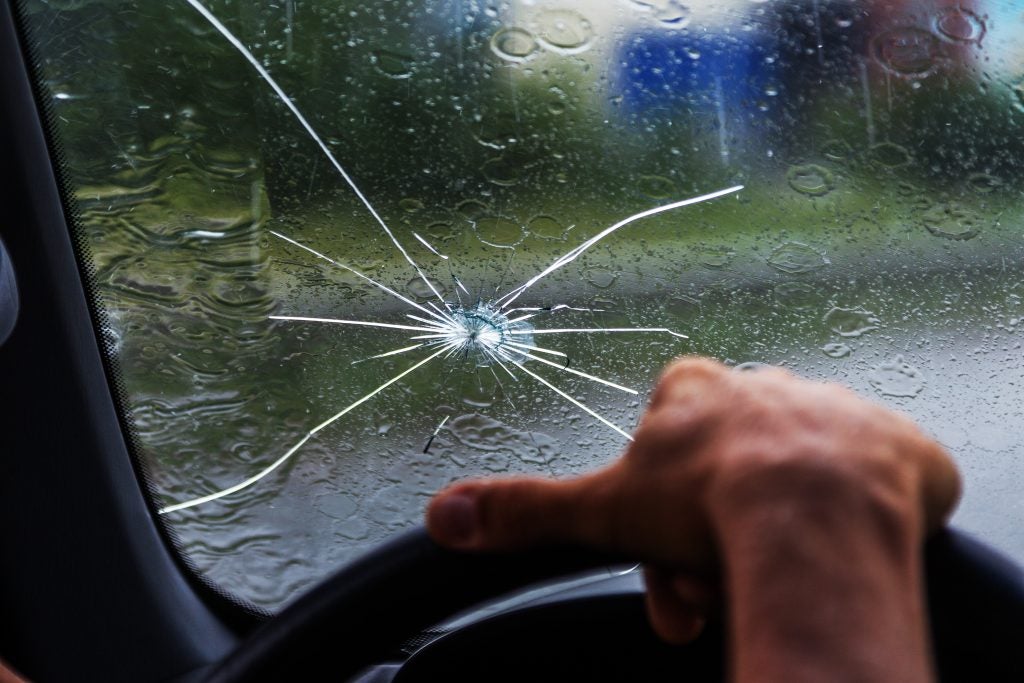
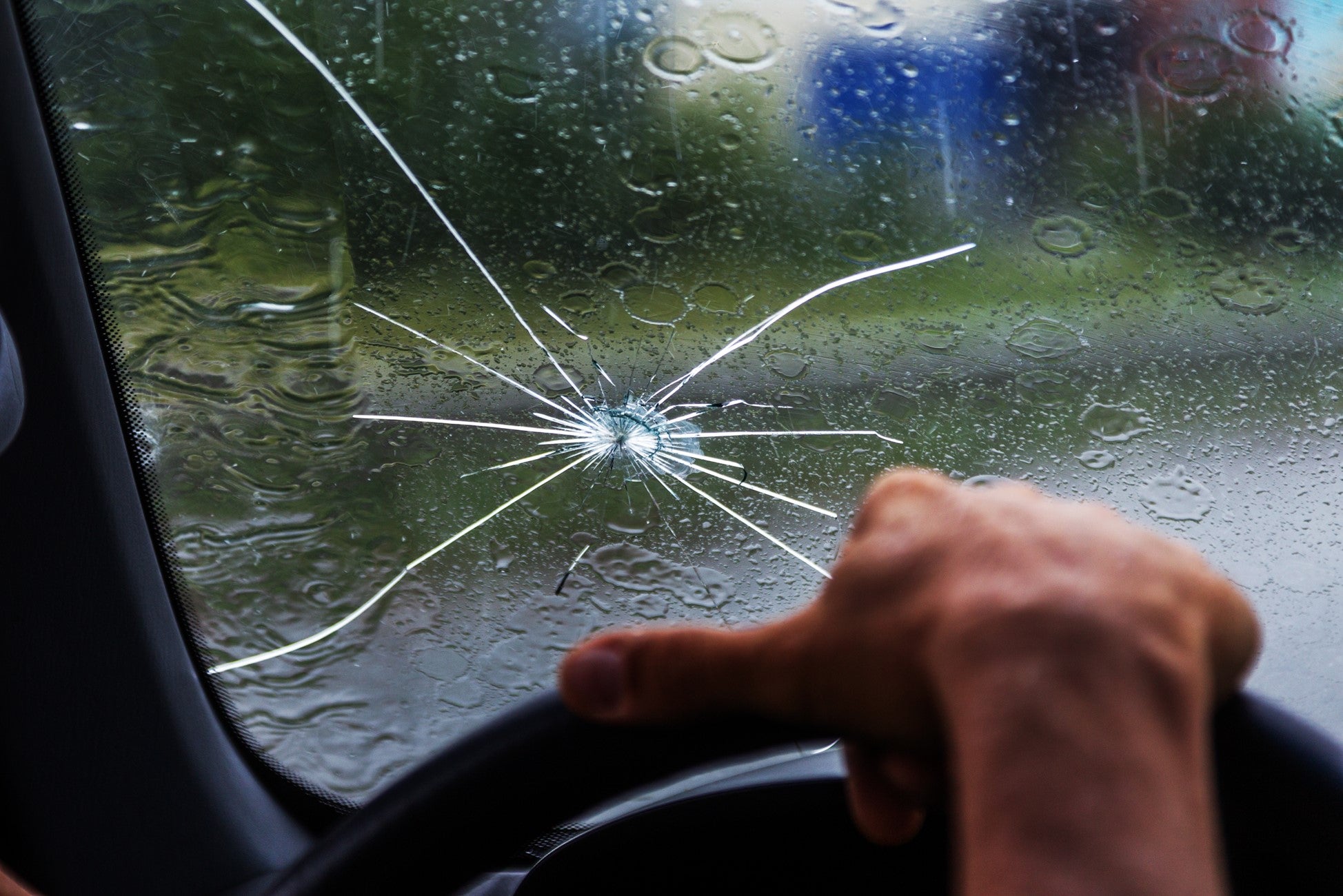
your vehicle – you won’t MALIGN the work we do, we guarantee! - Fix the crack (or is that cracks?) in your windshield. Foggy or frosted-over
windshields are hard enough to see through without a spiderweb of cracks making things even worse. Don’t be
like your friendly local blogger, and make sure to repair windshield damage on a timely basis. (Cold weather
can worsen the cracks, unfortunately!) It’s a great enhancement to the safety (and looks) of your car this
winter, and we can help with that. - Ensure your suspension is in prime operating conditions, as a failure could leave
you stranded when it’s -5° and the forecast calls for a bomb cyclone to drop 8-10″ of snow on your
neighborhood in Lee’s Summit. Our team can identify what’s making your ride squeak going over speed bumps and
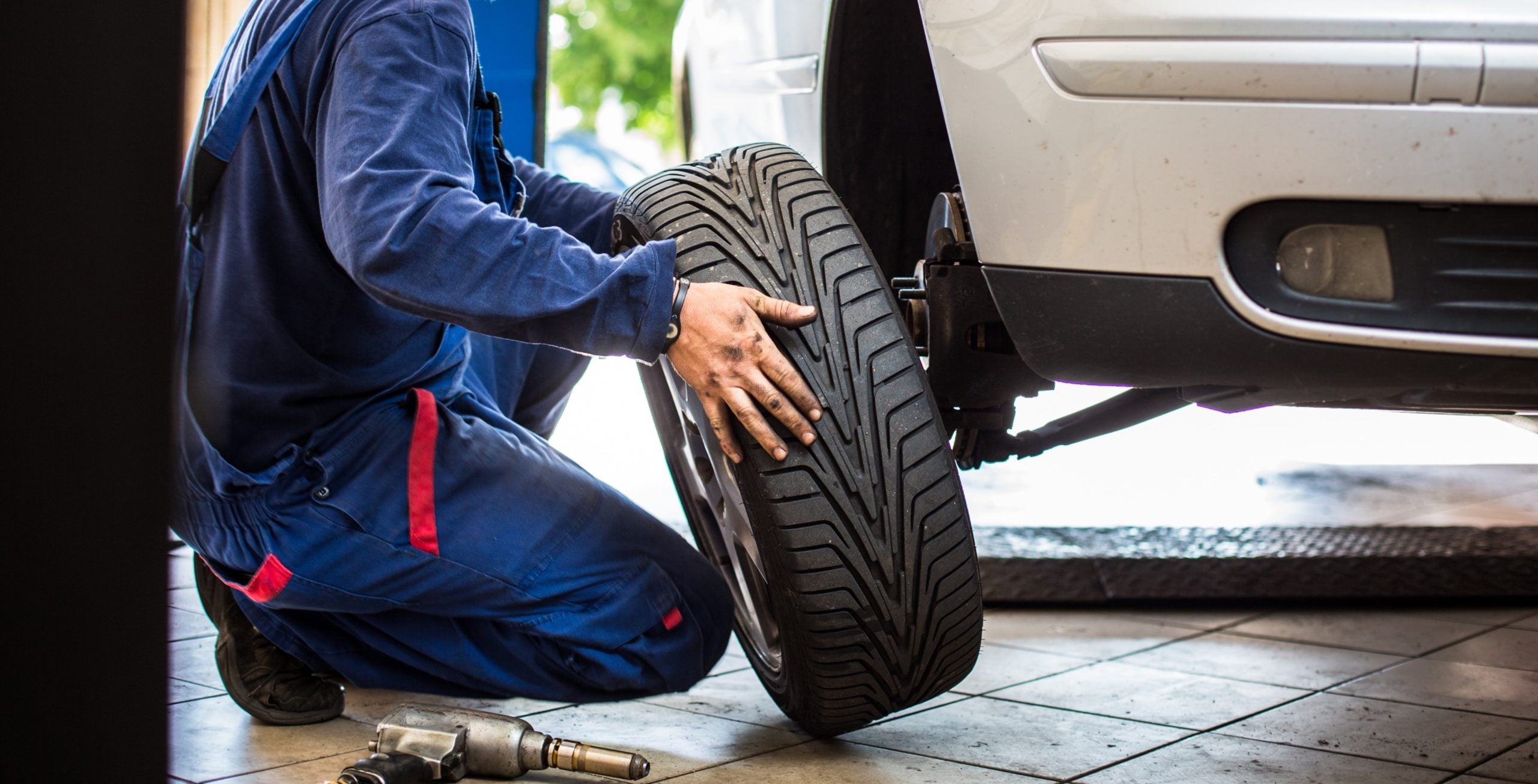
repair whatever vehicular ailment you have. - Consider whether it’s time to replace your tires and be ready to spend that cash.
Bald tires, or even those running with minimal remaining tread, can dampen your day and potentially affect
strangers on the roadways around Blue Springs. A set of new all-season tires might be the ticket to getting
through this upcoming winter, or you may choose to swap on a set of winter tires to maximize your safety. We
can help either way and will do our best to find the right extra set of wheels to go with those snow tires. - Invest in new windshield wiper blades, as it’s better to replace them now than to
realize you need them on a rainy or snowy day in January. If they leave streaks of water behind or make
horrific noises when you spray your windshield and run them, it’s almost certainly time for a new set.
Swapping them should be easy, but the entire McCarthy Auto Group will be happy to pop a set on if you’d like. - Check your battery, because you’re not going anywhere if it won’t provide the cold
cranking amps required to get your engine running. Batteries tend to fail in the hottest and coldest months of
the year, and your boss isn’t going to love hearing you can’t make it in again because the car won’t start.
They’ll forgive you, sure, but why risk upsetting them when a new battery could go a long way as a
preventative measure? A battery replacement isn’t necessarily the specialty of our Collision Center teams, but
there’s a McCarthy dealership near you that will be happy to swap that 12V battery out and fully prep you for
Winter. - Have one of our McCarthy dealerships check the important fluid levels in your vehicle and top of those that
are a bit low. There’s the obvious windshield wiper fluid – make sure you get the type that isn’t supposed to
freeze, as running out of this can mess up your errand running. You might also find you need a little engine
oil, brake fluid, coolant, or maybe even transmission fluid. We really suggest just getting the car looked
over by a professional mechanic. “An ounce of prevent is worth a pound of cure” after all!
That’s 7 winter vehicle preparedness tips already? Wow, our Collision Center team has got it
going on!
Winter Car Cleaning Tips
We’re big on keeping our vehicles clean as a general rule, but there are definite advantages
to paying attention to the state of your vehicle as we near New Year’s Eve.
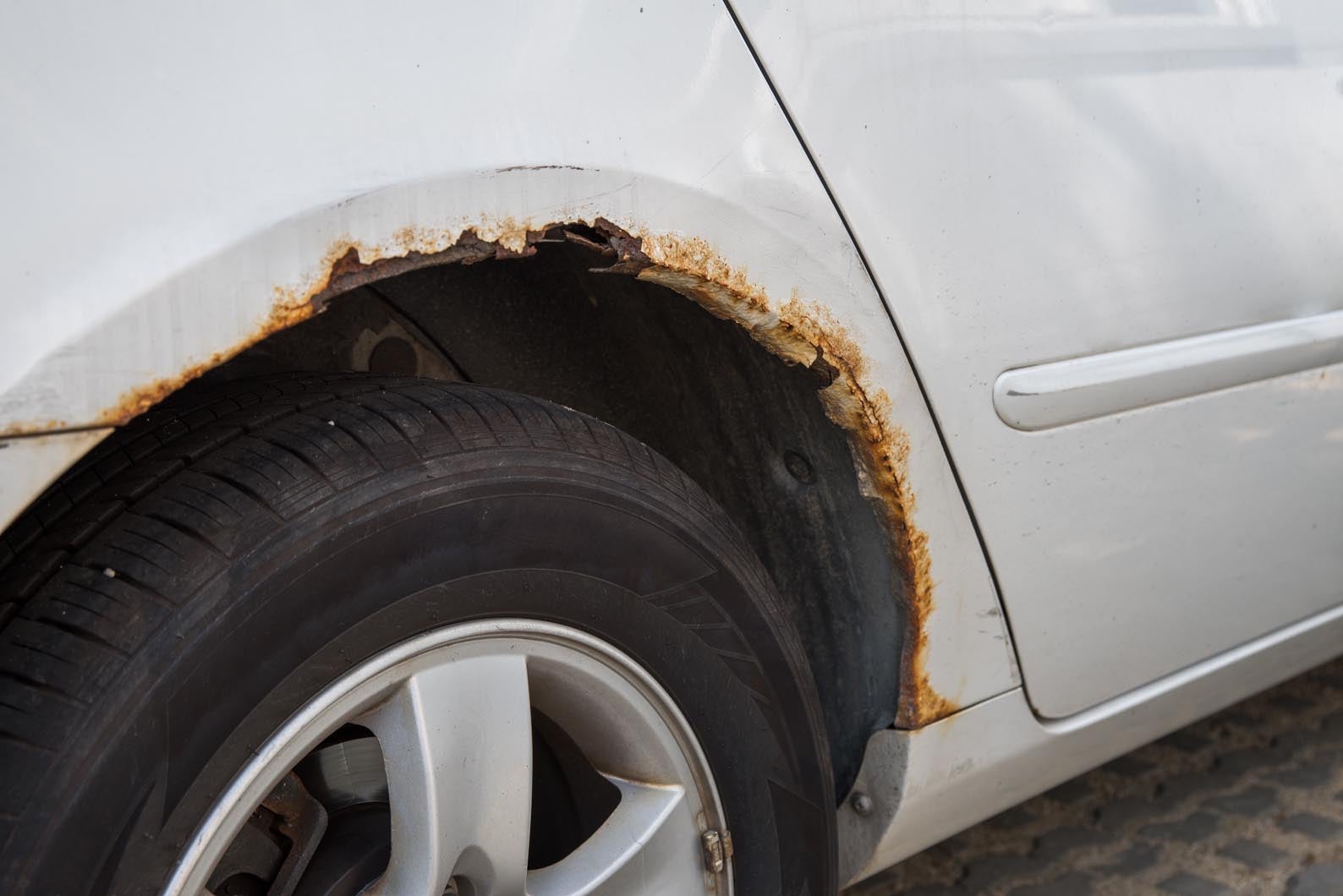
- Keep the outside of your truck clean this winter. Yes, it’s unfortunately quite
likely to rain, sleet, or snow within a day (or hours) of you pulling out of your favorite car wash in
Overland Park but keeping the outside clean can go a long way in helping prevent rust from grabbing hold or
your pride and joy. If your car looks good you might just feel good along with it. Plus, those reindeer
antlers you slap on around Christmas aren’t going to look good on a filthy minivan – The color of Rudloph’s
fur isn’t that nasty mix of snow and grime, right? - Clean the inside of your car as well. You’re probably going to be running around
like many other busy Kansas Citians during the next few months, and we bet there will be at least a few
fast-food wrappers that end up under your seat. (That volume of food trash will be much worse if you’ve got
the kids or your carpool friends riding along!) Those things are going to start to smell, and that odor won’t
be of sugar cookies, roasted turkey, or pine trees. There’s always the small chance that you get stuck in an
hours-long traffic jam on highway 70, and do you really want to sit in a car with hints of fry oil or white
castle onions? Your nose isn’t a button like a certain snowman, but it will thank you for a clean interior,
nonetheless. We’ve got some great ideas for interior car detailers around Overland Park, so let us know if you
need contact info. - This is a quick and easy tip – invest in a set of all-weather floormats to help keep moisture and dirt off
your carpets so you stay as clean as possible. Also make sure you properly attach the driver’s floor mat to
keep it from sliding up under your pedals – that can be a major safety issue.
3 Pieces of Essential Winter Driving Gear
We’ve got a few more tips for winter driving enjoyment for our friends around, as it’s not all
about maintenance and cleanliness. Sometimes you need to throw an item or three in your trunk.
- Have some winter gear in a duffel bag. You can throw a warm base layer, a water of
snow pants, some water proof boots, thick socks, warm hat, gloves, and maybe some of those hot hands in a bag
to maximize your prep. Chances are low you need to use them, but have you ever walked a couple miles in a
blizzard with wet tennis shoes and no jacket? - Consider adding a battery powered jump starter to your trunk. These come in all
shapes and sizes, but they can be a trip saver if your battery can’t quite get the job done without some help.
The lithium-ion battery versions are small and light and won’t take up much space in your glovebox or trunk. - Pick up a tire inflator. Driving around looking for a free air pump at a gas station is frustrating – that
gets dialed up when its 4° outside and you’re supposed to be home with the pumpkin pie filling. There are
versions that connect directly to your battery, those that plug in through your cigarette lighter, and battery
powered options as well.
Toss in a roadside emergency kit. The main goal of something like this is to increase
visibility of you and your vehicle in the unfortunate event of an accident. You’ll want yellow vests, high
visibility triangles, and road flares for the complete kit.
Finding An Auto Body Repair Shop Near You
The advice above will go a long way toward keeping you safe on the roads around Kansas
City and Sedalia as the wintry weather comes, but the McCarthy Collison Centers teams are here to help if your
winter wonderland adventures turn toward the South Pole at some point.
We offer auto body and mechanic services at our four convenient body shop locations
around Kansas City: we’ve got Kansas teams in Olathe and Overland Park as well as Missouri repair services
located in Blue Springs and Lee’s Summit.
We’ve been helping drivers in our communities since 1999 and you can reach out teams at these
phone numbers:
- BLUE SPRINGS, MO | (816) 224-7575
- LEE’S SUMMIT, MO | (816) 313-4531
- OLATHE, KS | (913) 324-7300
- OVERLAND PARK, KS | (913) 649-2999
We’ll be happy to point you toward a good car wash, a friendly technician to complete your oil
change, an incredible alloy wheel repair artist, or just a mechanic you can bounce automotive repair questions
off.
How to Deal with Car Hail Damage
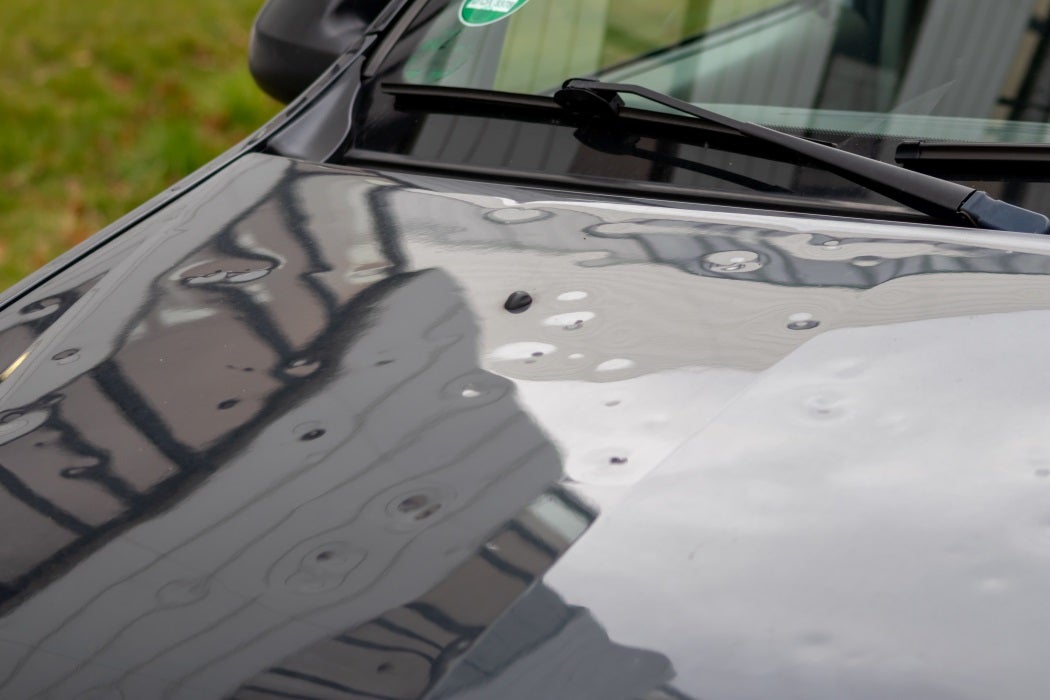
Hail damage is an interesting thing to deal with, to say the least. Why? Well, when hail
hits the area where you live, you could deal with anything from small dents on your car’s hood and roof to
shattered windows, depending on how large the hailstones are. Let’s look at what hail damage can do to your car,
how it affects your vehicle in the long run, and how you can fix and prevent it.
How Does Hail Damage Cars and Trucks?
Hail damages your vehicle by raining down from the sky at speeds up to around 72 mph.
Small and medium hailstones (less than 1 inch in diameter and 1-2 inches in diameter, respectively) generally
hit your car or truck at speeds between 9 and 25 mph. Large hailstones (2 or more inches in diameter) often hit
vehicles at 25 to 40 mph, but the strongest storms can send hailstones of all sizes hurtling towards your car at
speeds of over 70 mph, which is higher than the speed limit in most areas of the U.S.
What does that mean for your car? Well, small to medium hailstones hitting the ground
and other surfaces at lower speeds will likely just chip some paint and leave small dents on your vehicle’s
hood, roof, trunk, and sides. But if a storm brings larger hailstones and/or higher speeds, you could be looking
at much larger damage, like a shattered windshield or back window, or large dents that make it hard to shut your
car’s trunk, hood, or side doors.
Ultimately, if hail leaves a lot of car damage in its wake when a storm blows through your
area, you could even end up with a totaled vehicle if the damage goes unchecked.
Can Hail Damage Be Repaired?
Whether hail damage can be repaired really depends on the kind of damage that it is.
For example, an auto body shop near you, like McCarthy Collision Centers, can easily remove small dents on your
car or truck’s exterior. But if a windshield or other window breaks, they’ll have to replace it entirely.
Don’t worry, though. It’s fairly simple to figure out what kind of hail damage your vehicle
has sustained. According to Kelley Blue
Book, there are three main types of hail damage:
- Cosmetic Damage: This damage category covers small dents on your
car’s exterior without any chipped paint. Some car owners try to fix this type of damage themselves, but it’s
often best to let professionals do it, since they have tools and experience to handle this damage efficiently.
They often repair this damage using techniques called paintless dent repair, usually
called PDR for short. - Cosmetic Damage with Chipped Paint: The damage in this category is
similar to regular cosmetic damage, but the chipped paint makes it harder to fix. When a car has dents and
chipped paint due to a hailstorm, body shop technicians have to fill in the dented spots and then sand, prime,
and repaint them. If a body panel on your car has enough of these dents with chipped paints, it can become
much cheaper and easier to replace the entire panel (whether that’s the roof, hood, trunk, or side door). - Major Damage: This hail damage category includes very deep dents, bent body panels, and
broken windows and mirrors. When your car sustains this kind of intense hail damage, it’s best to have the
effected body panels replaced because at this point, smaller repairs won’t be much help.
What Should You Do When Your Vehicle Sustains Hail Damage?
When your car or truck sustains hail damage, take pictures of it. Then reach out to
your insurance provider to see if your policy covers hail damage. If it does and you have enough damage per the
policy, file a claim. After everything is squared away with your insurance company, you can take your vehicle to
a body shop to have the damage repaired.
If your insurance doesn’t cover hail damage or you don’t have enough per the policy to
file a claim, you can begin reaching out to body shops to get quotes for repairs.
And if it turns out that your car has taken enough hail damage to be totaled, you may find
yourself in the market for a new vehicle.
How Can You Avoid Car Hail Damage?
Luckily, hail damage can be avoided altogether. The best way to avoid it is to park
your car in a garage, carport, or otherwise covered parking spot. If that’s not an option, you can drape heavy
blankets over your car hood, windshield, roof, and trunk to soften the effect hailstones with have on your
vehicle. You can also invest in a portable storm protector if you live in an area that’s especially prone to
hail.
Hailstorms are generally fairly short-lived, only lasting minutes on average. If you don’t
have access to a garage or other solid structure at home, you may be able to drive to a gas station or other
covered spot to wait things out.

Remove Your Car’s Hail Damage in the Kansas City Area
If you need to remove hail damage from your car’s exterior, we at McCarthy Collision Centers are here for you. We can assess your damage and give you a quote
for it, and then remove it so you can drive around safely. We have multiple convenient locations around the
Greater KC are, including Lee’s Summit, Olathe, Blue Springs, and Overland Park. Contact us on our website to
find your nearest location.
How to Maintain Your High-Mileage Vehicle
You want to your car to be well-maintained and run well across its lifespan, but how
do you ensure that it’s still going strong when it has over 100,000 miles on it? High-mileage vehicles require
their own type of maintenance, but this maintenance isn’t radically different from the kind that lower-mileage
vehicles receive.
Let’s look at the major steps in high-mileage vehicle maintenance so you can understand how to
care for your vehicle and maximize its lifespan.
Maintenance Tasks for High-Mileage Cars and Trucks
Prioritize Oil Changes
Your engine oil is one of the main components that helps your car run. Think of it as
your car’s lifeblood. You probably already know that you need to have your car’s oil changed every 5,000 miles
or every three months. But that becomes more important as your car becomes older or higher mileage. Once your
car is over 100,000 miles, you may even consider using high mileage oil to help it run well.
However, not all vehicles will need high mileage oil when they start racking up a lot of
miles. Talk to your dealership’s service center about the best course of action.
Keep Your Vehicle Clean
While washing, waxing, and vacuuming your car or truck makes it look nice, it can also
help preserve your car in the long run.
For example, washing and waxing your car periodically prevents rust from developing on your
vehicle’s exterior. Similarly, vacuuming your car prevents debris tracked into your car or truck from causing
tears or holes in the vehicle’s interior. Overall, if you wash, wax, and clean the interior of your high-mileage
vehicle, you’ll keep it in good condition by preventing it from deteriorating. As a bonus, this will also help
preserve the trade-in value whenever you decide it’s time for a new ride.
Maintain Your Tires
Your tires are one of the main reasons your car or truck can move at all. If your tires wear
down as your vehicle hits higher mileages, it will eventually become a safety hazard, which will lead to bigger,
more expensive problems. The best steps to take with tires on a high-mileage car or truck are checking the tire
pressure regularly and having the tires rotated every 6,000 to 8,000 miles. The first step lets you know that
your tires still hold the right amount of air and don’t have any punctures or holes. The second step, tire
rotation, moves your tires around your vehicle so they get equal wear and tear all around their treads. If you
use these two steps often, you’ll keep your tires in great shape for a long time, no matter how many miles your
car has.
Check on Your Vehicle’s Battery
Your battery can wear out over time due to problems like corrosion and loose connections. Have
your high-mileage car or truck’s battery tested every two months after you hit 100,000 miles to make sure it
runs for as long as possible, and have it replaced when necessary. Failing to keep an eye on the battery can
result in damage to other charging system components like the alternator.

Spring for a Tune-Up
In this instance, a “tune-up” simply means letting a certified technician give everything a
good once-over to check for low fluids, suspension damage, and other common high mileage maladies. This should
be done roughly every 5,000 to 10,000 miles.
Get Body Work Repairs After an Accident
Sometimes, accidents happen. That’s just part of life. How you deal with the aftermath
of an accident is up to you. If your car takes major body damage in a collision, it’s best to get it taken care
of at an auto body repair shop near you like McCarthy Collision Centers.
If you leave body damage like a smashed-in door unattended, that part of your car becomes
unusable, and other problems like body rust can pop up around that damaged area. If you have that kind of
damage, have it repaired as soon as possible so it doesn’t develop major problems further down the line.

Repair Your Car in the Kansas City Area
If you want to get body repair work to maintain your high mileage car or truck, McCarthy
Collision Centers are here for you. We have multiple locations across
the greater KC area, so whether you’re in Lee’s Summit, Olathe, Blue Springs, or Overland Park, we have the
resources to repair your vehicle and get it on the road again.
Does Tire Tread Affect Your Stopping Distance?
If you want the short answer, it’s a resounding yes, your tire tread does affect your
car’s ability to safely stop when you hit the brake pedal. But, this is a situation where the short answer
doesn’t quite tell you everything.
There’s much more to unpack and many more questions to answer, so let’s go over what safe
tread depth looks like, how it relates to your brakes, and why you need to replace your tires when their treads
are no longer safe.
The Connection Between Tire Tread and Braking Distance
Here are a few questions we commonly get asked about tires, stopping distance, and how they
affect each other.
What is Tire Tread Depth?
Tire tread depth is the distance between your tires’ deepest grooves and their highest
peaks. These depths are measured in 32nds of an inch. Most new tires have a tread depth of 11/32 or 10/32 of an
inch, depending on the specific type of tire.
As you drive your car around, the road and other elements slowly eat away at the
rubber, reducing tread depth over time. It’s often recommended that you replace your tires when they wear down
to 3/32 or 4/32 of an inch.
Most tire shops will strongly recommend a replacement once it gets down to 2/32 of an
inch, because by that point, the tires are getting very little traction.
Tread depth matters because those grooves help deal with debris, water, snow, and other
precipitation by ensuring that the tops of the tires’ surfaces can hit smooth ground and move the car forward
safely. As your tire treads get lower and more worn out, the grooves are less able to squeeze those potential
problems out of the way. That means the tires can’t meet the road as effectively and create the friction needed
to make the car move, or stop when you apply the brakes.
What is Braking Distance?
Braking distance—also known as stopping distance—is the time it takes between the moment you
apply your car’s brakes and the moment your vehicle comes to a full stop. Your vehicle’s braking distance is
affected by tire tread depth, speed before braking, brake system’s condition, and the overall weight of the
vehicle and its payload. The road’s condition also impacts your braking distance. These things all combine to
determine how easily and quickly your car can stop.
What’s the Relationship Between These Things?
While tread depth is just one of several factors that influence your braking distance,
it can have a large impact on it.
An organization called Hunter Engineering Company recently studied how
long it takes cars to stop with different tread depths. Here’s what they found:
- It took 10/32-inch tires 234 feet to stop a car.
- With 6/32-inch tires, the car stopped 253 feet after the brakes were applied.
- With 4/32-inch tires, the car came to a halt after 282 feet.
- On 2/32-inch tires, which are nearly worn out, the car stopped 356 feet after a driver applied the brakes.
For those of you who aren’t all that fond of math, that means that in this particular
scenario, the tire tread depth altered the car’s braking distance by 122 feet. Obviously, this is significant,
and understanding its importance can mean the difference between getting into a collision
and driving away unscathed.

How Can You Keep Your Tires at a Safe Depth?
Once your tires wear down, the only thing you can do is replace them since, unlike hair or
fingernails, they don’t grow back to their full depth. When your tires wear down, McCarthy Auto Group has
quality replacements for sale, and we have multiple locations around the Greater
Kansas City area. We’ll help you choose the correct tires for your vehicle and swap them out so you can stop
your car safely and effectively. Our certified collision centers also perform wheel alignments.
Help! My Car Got Hit by Fireworks
No one wants to be Googling “Car Paint Shops Near Kansas City” the morning after a
night of fun firework-fueled festivities. What’s even worse is to realize that the damage will be severe enough
to require maintenance. If you’re the unfortunate owner of a firework damaged car, have no fear, because
McCarthy Collision Centers have the solution.
Finding firework debris on car roofs is no new phenomenon, but it’s surely an unwelcome one.
So, no matter how you ended up with car paint damage or a cracked windshield from a firework, we’re here to
help.
What To Do if your Car was Hit by a Firework:
Follow these steps if you suspect your car was hit by a stray firework, or stop by any
McCarthy Collision Center location to get a free repair estimate:
- Determine if the damage is from a firework or another source, then determine the
severity of the burn. Sometimes, when fireworks hit a car, they leave a lot of soot and residue, but damage
the paint’s veneer is minimal. - Do your best to determine who is at fault for setting off the fireworks who damaged
your car. It might also be wise to pull any security camera, Ring doorbell, or dashcam footage that could’ve
caught any of the action. If needed, ask some of your neighbors if they happened to get any firework lightings
on tape. - Consider making a police report, especially if no one admits to shooting off the
fireworks. We suggest treating the situation like a hit and
run accident. Some car insurance companies will require you to make a report before they will even
consider covering the cost of damages. - Begin discussions with your car insurance provider (and your favorite local collision center) to see what the price
tag looks like for this festive mistake. Cleanup could range from needing a simple paint touchup to requiring
an entirely new bumper or window to be installed. Our staff at your nearest
McCarthy dealership would also be happy to discuss whether the firework damage would be covered under
your car’s extended warranty. - Bring your car in for a free repair estimate at any of
McCarthy’s Collision Center locations across the Kansas City region! Our staff will be happy to provide you
with a wide range of services available to remedy your situation at any budget.
And if you decide to go solo with your firework car paint removal, let us give you some
additional pointers.
How to Remove Firework Residue from Car Paint
We recommend first attempting to simply buff the mark out with an automotive-safe rag
or microfiber cloth. Once the paint is cleared of any soot, you’ll quickly be able to see the full extent of the
damage. If the damage is minimal, you shouldn’t have much more work to do to remove all the soot and ash from
your car. Lucky you! But if there’s a small scratch left to the paint underneath the debris, take your car into
our shop to have the scratch repaired,
fast. Even a small bit of exposed metal can quickly start to rust if left untreated.
If the paint is beginning to badly flake at or near the damaged area, it might be time to take
your car into a body shop, as additional buffing might only make the situation worse. For help with keeping your
car’s paint from additional peeling or flaking after cleaning off that pesky firework residue, click here. And if there’s still significant visible damage after your best attempt at
cleaning, consider checking out our expert advice on when to repair and when to replace a car part.
For Auto Body Work in Kansas City, Choose McCarthy Collision Centers
For all auto body damage queries, count on McCarthy Collision Centers to get you back on the
road. With collision center locations in Blue Springs, MO, Olathe, KS, Overland Park, KS, and Lee’s Summit, MO,
our service techs are proud to serve communities on both sides of the MO/KS line. For towing, a free repair
estimate, an answer to a complex autobody question, or help following an accident, folks across Kansas City know
to “Call 911, and then call 800-NEW-AGAIN.”
If you had to pick the single most important thing about a car, what would it be? A
lot of people would say money-oriented things like price or fuel economy, while others might say interior space,
and others may even say technology or style.
In our opinion though, the most important aspect of vehicle design is safety. After
all, what good is a ton of cargo room or the best infotainment system if it can’t protect your most precious
cargo in an accident?
As the foremost experts on collision repair in Kansas City, we’ve seen a lot of cars that have
been in wrecks. So, we figured we’d list some of the safest cars, trucks, and SUVs on the road today, and to
back it up, we’ve included expert safety scores from the IIHS.
IIHS Awards: How Do They Work?
The Insurance Institute of Highway Safety has been handing out its Top
Safety Pick awards for nearly two decades. The award is based on tests conducted to determine
crashworthiness and crash avoidance and mitigation. Cars are put through the crash tests
and then assigned one of four ratings based on performance (Good, Acceptable, Marginal, and Poor).
For 2024, the Top Safety Pick and Top Safety Pick+ awards are based on five categories:
- Small overlap front
- Moderate overlap front
- Side
- Headlights
- Pedestrian front crash prevention
Now that we all know how it all works, let’s check out some of the winners.

Cars with the Best Crash Test Ratings
Generally speaking, smaller vehicles are considered less safe in a crash
than larger ones because of their lighter weight and less rigid body construction. But even though a car is
smaller than other vehicles on the road, there are still plenty who took home impressive ratings.
2024 Toyota Prius
The Prius doesn’t exactly have a reputation for being a tank, so it may come as a surprise
that it earned the highest distinction of Top Safety Pick+. It received a Good rating on the small overlap,
moderate overlap, and side crash tests (although the updated moderate overlap test was amended to an Acceptable
rating). It also got a Good rating for frontal crash prevention thanks to the standard Toyota Safety Sense 3.0
package. To top it off, it won a Good+ rating for its rear child seat anchors, making it among the safest cars
for people with kids in car seats.
2024 Honda Accord
Honda’s bestselling sedan has been scooping up safety awards for decades, which may be part of
the reason why it’s one of the most popular cars in the world. It dominated the IIHS’s crash testing, earning a
Good ranking in every category, as well as a Good rating for its factory headlights, which provide solid
visibility in all conditions.
2024 Hyundai IONIQ 6
If you’re worried about electric cars being unsafe compared to their gas-powered counterparts,
you can put those worries to bed, because the IONIQ 6—along with its big brother the IONIQ 5—won the Top Safety
Pick+, making them some of the safest EVs on the market. The IONIQ 6 performed especially well in the pedestrian
frontal crash prevention test thanks to its robust driver assistance features and high beam assist.

SUVs with the Best Crash Test Ratings
These vehicles tend to be somewhere between petite cars and large trucks on the overall
crashworthiness scale, but their size makes them drivable for almost anyone, meaning these tend to be some of
the safest vehicles for families and young drivers.
2024 Honda HR-V
The plucky Honda crossover earned some of the most impressive crash test scores on this whole
list, with a Good rating on nearly every metric in the small overlap, moderate overlap, and side collision
categories. It also got a Good rating for front prevention thanks to the Collision Mitigation Braking system,
which is standard across all trims.
2024 Nissan Pathfinder
If you’re going to cram eight people into an SUV, you’ve got to take extra special care to
design the safest ride possible, and the Pathfinder delivers handsomely. Standard auto E-braking with pedestrian
detection gives it ample stopping distance for crash prevention, and the child seat anchor options are ample,
with two in the second row and one in the third row, which netted it a Good+ rating in that category.
2024 Jeep Grand Cherokee
After a few years with no accolades, it’s nice to see the Grand Cherokee back on top following
its recent redesign. Despite a less-than-ideal updated moderate overlap test, its structure and safety cage held
firm, and it grabbed a Good rating in all other crash categories.
2024 Subaru Ascent
With four different LATCH positions, the Ascent may just be the most kid-friendly SUV on the
road—or, at least in this article. It also got a perfect score on the small overlap test, a near-perfect score
on the moderate overlap and side tests, and a Good rating for its headlights and standard EyeSight crash
prevention technology.

Trucks and Minivans with the Best Crash Test Ratings
As the biggest automobiles on the street, these tend to be the hardiest in a major collision,
which makes them the overall safest for drivers and passengers, broadly speaking.
2024 Toyota Sienna
Safety is crucial in all vehicles, but it’s perhaps especially important in minivans because
the vast majority of owners regularly have kids on board. Good thing the Sienna received such strong marks for
its small overlap and side tests, and also won a Good rating for its headlights and high beams. It also won a
Good+ rating for its LATCH system placement, which offers six total available places to hook up a car seat.
2024 Hyundai Santa Cruz
Hyundai’s funky fresh pickup carries the distinction of being the only small truck on the
market to grab a Top Safety Pick award this year. It got a Good rating on the small overlap, moderate overlap,
and side crash tests, and also got a super strong headlight rating.
2024 Toyota Tundra
The Tundra won not one but two Top Safety Picks—one for the crew cab, and one for the extended
cab. Both body styles got Good ratings in all of their crashworthiness tests, and nearly all trims got a Good
rating for their headlights. The Tundra is also the only non-electric large pickup to win the award in 2024.
Stay Safe, Kansas City!
Picking the safest car possible is important, but no matter how good the safety ratings on
your vehicle are, accidents happen. If you’ve been in a crash and need auto repairs in Kansas City, we have
multiple locations all around the city, and we also offer free estimates. Stop by one of our
convenient locations and let us do the rest.
A Quick Window Tinting Safety FAQ
Getting a professional tint job done on your windows can add a little extra layer of
style to your ride, but is it the right decision for you? Before you run out to get a tint job done, there are a
few factors to consider. What kinds of tints are there? Is it safe to drive with? Is window tint illegal or
legal where you live?
If you’re one of the many folks on the road thinking about having tint film added to your car
windows, here are some basics to get you started.
What Kinds of Window Tint Are There?
Most of us have a general understanding of what window tint is—it’s a film of material
that’s applied to automotive glass. It can be done for any number of reasons, including for protection from the
elements, privacy, or just because it looks cool.
There are actually a few different types though, and they each have their own benefits and
drawbacks.
- Dyed: This common type has colored dye between the protective layers. It’s a great
way to achieve a dark shade with decent visibility, but it tends to be one of the cheapest types, and often
doesn’t last as long as others. - Metalized: These tints are characterized by a reflective metallic look, hence the
name. They hold up well and provide solid protection, but some drivers don’t like the mirrored look. Some
professionals also claim that it can mess with the signals of electronic devices because of the metal
particles suspended in the tint. - Carbon: These tend to have the classic matte look that many people associate with
tinted windows. They provide great protection and privacy, but they tend to be on the more expensive side. - Ceramic: This variety offers the best heat insulation and protection from UV rays,
which can be very beneficial in hot and sunny climates. Broadly speaking, this is usually the priciest type of
tint. - Hybrid: A good all-around tint, which is comprised of a mixture of dyes and metallic particles, giving a
decent mix of benefits without major downsides.
What Are the Benefits of Window Tint?
One of the most obvious perks of window tint is that it affords a little extra privacy
because it makes the windows harder to see into. This is quite beneficial because it can deter vehicle
break-ins.
Quality window tint also blocks ultraviolet light from the sun, and this can help to
regulate the temperature inside the car, which saves your A/C from having to work quite as hard. It can also
prevent fading and other forms of interior sun damage.
And, of course, plenty of people get their windows tinted because they just dig the way it
looks.

Is Window Tint Safe?
The most important aspect of a good tint job is ensuring that it still affords proper
eyesight in all conditions. Window tint shouldn’t cause any unnecessary glare in direct sunlight, and it
shouldn’t be so dark that it reduces visibility.
Many professional tinters recommend ceramic for the best visibility. But, no matter
which kind you get, the most important factor in preventing accidents is making sure the tint isn’t too dark,
which why it’s strictly regulated by the percentage of light it transmits. If your window tint doesn’t allow
enough light transmission, it makes it difficult to see out the windows, especially at night or in bad weather.
It can make it impossible for drivers to signal other vehicles as well.
In certain instances, window tint can also make it more difficult to break the windows if one
needs to escape in case of a crash. Aftermarket tint can be very hard to rip without a knife, and it can also
render window breaking tools ineffective. So, when considering having your windows tinted, it’s important to be
aware of the risks and always adhere to local laws.
Is My Window Tint Legal?
Each state regulates window tint laws a little differently.
According to Kansas Highway Patrol, all windows must allow 35% light transmission, the
tint must be non-reflective, and it can’t be red, yellow, or amber in color. Tint on the windshield also must
not extend below the AS-1 line, which is located a few inches below the top of the front glass. Many cars have
factory tint here, and most states allow for AS-1 windshield tint, which professional tinters call an “eyebrow.”
Window tint laws in Missouri are a little different. Per the Missouri highway Patrol, the front-side windows must allow for 35% light transmission, but
back-side and rear windows are unregulated. Windshield tint above the AS-1 line is allowed as long as it’s 35%
or more. The state also issues special permits that allows for darker front tint if the driver has a valid
medical reason.
Knowing your local window tint laws is crucial, especially if you live in an area like Greater
Kansas City where you may routinely drive between state lines. Penalties for breaking window tint laws can
include significant fines, and if your vehicle is tinted too dark, you could be held
responsible in the event of an accident.

Stay Safe, KC!
Did you overdo it on the rear window tint and back into something? No need to stress, because
McCarthy Collision Centers has multiple shops across town. We offer free estimates, assistance
with insurance claims, and paintless dent repair
in Kansas City. Check out our locations to find an auto
body shop near you.
Can I Wear Earbuds While Driving?
It’s becoming more and more common to see people out and about with some kind of
headphones on or earbuds in. We all probably know at least one person who wears headphones as a constant fixture
(or maybe you are that person).
We’re not here to judge. There are plenty of places where wearing earbuds makes
sense—working on the computer at the office, going on a bike ride, at the gym, ignoring your younger siblings,
etc. However, one place we don’t recommend wearing them is while you’re driving.
Why, you ask? Well, not only is it potentially dangerous, but in some states, it’s downright
illegal.
Is Driving With Earbuds Safe?
No, not really.
Before we address the legality of things, let’s get one thing out of the way: don’t
drive with headphones on or earbuds in. Doing so presents a potential distraction, even if you’re not actively
using them, because if they’re connected to a smartphone or other device, any random ding in your ear or
notification could divert your attention from the road.
According to the NHTSA, distracted driving was ruled as the cause of over 3,500 deaths in the United States in 2021,
with countless more nonfatal accidents.
Even if you’re not being actively distracted, playing audio through headphones reduces
your ability to hear road noises like emergency vehicle sirens, other cars and pedestrians, and even your own
car. It’s certainly possible to drive if you’re hearing impaired, but it’s irresponsible to drive with earbuds
otherwise.
As a viable alternative, you can utilize your vehicle’s infotainment system. Many states also
have laws prohibiting handheld phone usage while driving, but they allow for hands-free communication. So, while
it’s still not perfectly safe, if you’re able to link your device with your vehicle, or use voice-activated
commands, it’s a good idea to do so.
Is Driving With Earbuds Illegal?
As with many laws in the U.S., it depends on which state you live in.
Here’s a down for all 50 states, as of this writing (note: there are some states where it’s
illegal to have earbuds in both ears, but there are exceptions).
Illegal for Both Ears (One ear can be in for a phone call):
- Colorado
- Florida
- Georgia
- Illinois
- Massachusetts
- New York
- Ohio
- Pennsylvania
- Rhode Island
Illegal In General:
- Alaska
- California
- Louisiana
- Maryland
- Minnesota
Legal:
- Alabama
- Arizona (Except for licensed childcare and school bus drivers)
- Arkansas
- Connecticut
- Delaware
- Hawaii
- Idaho
- Indiana
- Iowa
- Kansas
- Kentucky
- Maine
- Michigan
- Mississippi
- Missouri
- Montana
- Nebraska
- Nevada
- New Hampshire
- New Jersey
- New Mexico
- North Carolina
- North Dakota
- Oklahoma
- Oregon
- South Carolina
- South Dakota
- Tennessee
- Texas
- Utah
- Vermont
- Washington D.C
- West Virginia
- Wisconsin
- Wyoming
For those of you not counting at home, driving with earbuds is legal in 34 states and the
District of Columbia, and 9 more states allow provisions for specific circumstances, so it’s only fully illegal
in 7 states. Still, it’s not unlikely that the number of states prohibiting headphone use while driving will
rise in the coming years, as more traffic data continues to come to light.
What Are the Penalties of Driving With Headphones in Illegal States?
As with the laws themselves, the consequences of breaking said laws can vary across
jurisdictions.
In the case of being pulled over simply for having earbuds in, you may simply receive
a warning. However, the most likely penalty is a moving violation, which usually results in a ticket with a fine
attached, as well as potential points on your operator’s license. If you’re caught multiple times, you may face
steeper consequences, including having your license suspended. Doesn’t really seem worth it, does it?
Things can get even hairier if you’re involved in an accident while wearing headphones. You may be charged with reckless driving, and even if you
get into a wreck in a state where it’s technically legal to drive with headphones, there’s a chance that you
could catch a lesser charge like negligent driving. Additionally, if you’re found at fault for a collision due to distracted driving, your insurance may not cover damages, and your premiums
may go up.
Drive Safe, Kansas City!
Using headphones while driving may technically be legal in Missouri and Kansas (for now) but
that doesn’t mean bad things can’t happen because of it. If you get in an accident and your car is damaged, contact McCarthy Collision
Centers at one of our multiple locations around Kansas City. We offer round-the-clock towing, help with insurance claims, free estimates, and more.
Understanding Diminished Value Claims
Do you consider vehicle history reports as you shop for vehicles? Does your interest in a vehicle lessen if you notice an accident on its history report? That perceived decrease in value is an example of the concept of diminished value, and it has a big impact on drivers around Lee’s Summit and Kansas City.
Diminished value is the difference in the fair market value of a vehicle immediately before an accident and immediately after that accident.
A diminished value claim may help you recover some of that difference, and the McCarthy Collision Centers team wants you to better understand the causes and impacts of diminished value claims, and to help you prepare to file one in the event of an accident.
None of the content in this blog is legal advice, and you may wish to consult a lawyer before moving forward with a diminished value claim.
Causes and Impacts of Diminished Auto Value
Accidents are by far the most common cause of diminished automotive value for Kansas City area drivers.
Imagine two identical vehicles – same model year, trim level, optional equipment, color, and mileage.
One of them has a clean vehicle history report (CarFax or Autocheck) with impeccable service records and no damage reported. The other vehicle has an identical vehicle history report except it shows something ominous sounding like: “Front end impact. No airbag deployment.”
(Catches your eye, right? And NOT in a good way. It would make me wonder exactly what was involved in that front end accident.)
Many buyers will hesitate as they consider that second vehicle with the damage report, and their demand for that vehicle may decrease – they may even walk away from the vehicle.
The seller, whether an individual or a dealership, may have to decrease the asking price of the vehicle to keep the customer interested.
A vehicle with damage, even after being professionally repaired and restored to “Like New” status, is basically always worth less than an identical vehicle with no history of damage.
The diminished value claim is a way to be reimbursed for some of that difference in value.
Who Can File a Diminished Value Auto Claim to Insurance After a Wreck
There are limits on the situations in which you’re likely to successfully receive a diminished value claim after an accident.
- Was the other party at fault? You’re unlikely to receive a diminished value claim if you caused the accident.
- Is the car titled as salvage or rebuilt? You may not be able to file a claim.
- Do you own the vehicle? You may not be able to file a claim if you’re leasing your vehicle.
- In which state do you live / in which state did the accident occur? Not every state allows diminished value claims with the same terms.
- What are you driving? If your vehicle is higher value, you are more likely to secure a diminished value claim than if you’re driving an older vehicle with a collisions and repairs.
Missouri allows diminished value claims, so if you’re around Lee’s Summit you should be good to go. Build your case as we suggest below and see if you can get that bag! (Consult a lawyer!)

How Do I File a Car Diminished Value Claim?
Your diminished value claim will be submitted to the at fault party’s insurance company and there are three stages of this process.
- Secure the services of a qualified independent appraiser to determine the after-accident value of your vehicle. You will also want to provide as much paperwork about the incident as possible: police reports, pictures, and anything else you have on hand. You want to be overprepared as the filing process can vary among insurance providers
- Work quickly and submit your claim as soon as possible after repairs are completed
- Negotiate the insurance company’s offer or collect your settlement
Diminished Value Claim Resources Near Lee’s Summit
The Missouri Department of Insurance is a great resource in the pursuit of a diminished value claim. Their Department of Insurance Financial Institutions and Professional Registration (DIFP) published an auto claim brochure called “Understanding your auto claim” that will provide fantastic guidance.
There are of course multiple sources of legal guidance around the Kansas City area when it comes to your diminished value claim. Remember this blog does not constitute legal advice and you may wish to consult with a lawyer during this process.
Finding Auto Repair in Kansas City
Our team members unfortunately aren’t card holding members of the bar association in any state and can’t help you file your diminished value claim, but McCarthy Collision Center’s talented technicians are incredibly accomplished at fixing collision damage. We’re here to get your vehicle back on the roads around Lee’s Summit with timely, professional, and complete repair of the damage to your vehicle.
We have 4 convenient body repair shop locations in Lee’s Summit, MO, Overland Park, KS, Blue Springs, MO, and Olathe, KS which makes us the automotive collision repair choice near you.
We also partner with multiple trustworthy towing companies in the Kansas City area to offer “Round the Clock” towing services.
As the McCarthy Collision Center team always says: “When you’re in an accident… Call 911 & then 800-NEW-AGAIN”!
We look forward to being your automotive collision repair partner in the Kansas City area!