

Cars are designed to take a beating, but that doesn’t mean you should beat it up on purpose. After all, you spent good money on that vehicle! Get to know what types of things can damage your car—plus tips to help you avoid a visit auto body and repair fairies.
General Vehicle Damage
Will Tree Sap Damage My Paint?
Tree sap will damage car paint, yes. However, it won’t hurt your vehicle overnight. When left to dry—over the course of a week or longer—it can etch into your car’s paint and clear coat, causing it to stain. At that point, re-painting is the only real solution.
Read some useful tips to remove tree sap from your vehicle’s paint.
Does Bird Poop Stain Cars?
Dried bird droppings will etch into auto paint and stain quite quickly. This is because bird poop is high in uric acid—the corrosive enemy of car paint and wax. Therefore, it’s important to clean bird droppings off your vehicle’s finish ASAP. If it’s not removed in a timely fashion, the bird poo will eat through any sealant or wax.
Get more info about cleaning bird poop off your car.
Do Eggs Damage Car Paint?
Vandals, particularly around Halloween, will T.P. houses, destroy pumpkins, and knock over mailboxes. However, the cruelest prank of all is egging cars.
Eggshells can chip paint. Egg whites can act like glue—and we all know glue and cars are a recipe for disaster. Worse yet, egg yolks are high in fat, which will speed up the destruction of a vehicle’s clear coat. Together, egg yolks and whites will certainly destroy a vehicle’s paint job in no time.
If your car’s been vandalized and egged, the first step is to carefully remove eggshells by hand. If you attempt to wash or wipe away the egg before removing the shells, you’ll almost certainly scratch your vehicle’s paint. Then you’ll need to tackle the dried egg with a cleaner and thorough wash. If you don’t clean the egg off fast enough, you may need to visit an expert auto detailer or body shop.
Stay tuned to read our detailed cleaning tips for an egged car.
Can My Car Fade in the Sun?
Automotive wax protects your vehicle’s paint from UV ray exposure. If you don’t keep up with regular car waxing, however, the sun can fade and oxidize your paint. This damage may not sprout up very fast, but over the course of a few years, under the intensity of the sun, your car will definitely begin to look faded.
View some ways you can prevent auto paint damage caused by the sun.
Can Silly String Ruin Car Paint?
Although non-toxic, Silly String can certainly do damage to vehicle paint and clear coats. Made of liquid resin, Silly String will immediately stick to your car and dry within minutes, especially when exposed to the sun. If it’s not promptly cleaned off, it will be difficult to remove. Silly String can eat at your protective clear coat and eventually etch into the underlying auto paint. This foam can also damage vinyl dashboards and leather seats; it will easily stain lighter-colored fabric and materials.
The solution: Don’t spray Silly String on your car. But if you’ve been the victim of a vandal, cleaning Silly String off your car right away is the best solution. Clean, warm water, sponges, microfiber cloths, and some soap will do well on fresh stains.
Will a Pressure or Power Washer Take Paint Off a Vehicle?
Power washers make quick and very satisfying work of stains and residue, but they’re also dangerous machines that should be used with care and caution. Not only can they hurt people and animals—seriously, they can take off a toe—but they can also strip away auto paint like it’s baby powder.
Pressure washers that are set to the incorrect PSI can chip off paint and even dent sheet metal, both of which can lead to vehicle rust damage. The only relatively safe area of your vehicle to power-wash is the undercarriage, but we recommend getting a carwash to be safe.
General Vehicle Damage
Will Driving Through Water Damage My Car?
Driving through any large body of standing water is very risky. If water gets into your engine, consider it toast; this is sometimes referred to as hydrolock, or hydrostatic lock. Hydrolock occurs when a contaminant—in this case, water—enters the engine and prevents its pistons from compressing and operating properly. Once this happens, the entire engine stalls.
This type of water damage happens most often during flash floods or after hurricanes, like the recent storm in Kansas City.
Does Road Salt Cause Rust?
Salted roads make winter driving safer, but at what cost? This salt lowers the freezing point of water, allowing car tires to reach and gain traction on the asphalt. Due to its chemical nature, however, winter road salt will accelerate vehicle rust and corrosion, and may even cause problems with hydraulic brakes, rotors, axles, and frames. The slush from snow, mixed with these chemicals, can stay under the car, eating away at the underbody over the winter season.
The best solution is to get frequent car washes with under-sprays, at least once per season. Better yet, get a car wash after every major winter storm.
Tire Damage
Will Parking on a Curb Damage My Tires?
If your tires are properly inflated, parking on a curb overnight probably won’t do much harm.
However, an extended stay on a curb can cause issues. The curb can pinch your tire’s sidewall, and if your tire is old, damaged, or improperly inflated, this could force you to lose air pressure quickly. Additionally, the physical act of parking on a raised curb may damage your suspension, ding your oil pan, or harm your front-end.
Review other symptoms of tire damage caused by curbs.
Will Driving Through Glass Pop or Damage My Tires?
Running over broken auto glass, such as windshields or even side mirrors, will rarely cause your tire to pop or get pierced. This type of glass is manufactured to shatter into gravel-like granules that don’t harm car tires. In fact, as vehicles constantly run over auto glass, the glass crumbles into smaller pieces and becomes even less dangerous, especially to cyclists.
Other types of broken glass, like that of mirrors (not vehicle mirrors), window panes, and even beer bottles, can sometimes give you a flat tire. Although rare, a sharp piece of glass, combined with really bad luck, could potentially do some damage.
If you think you’ve popped a tire after driving through glass, stop in a safe place and inspect the tire for visual damage and check the PSI. If there’s no issue, drive for a while and re-check when you get to your destination.
What Damage Can Potholes do to a Vehicle?
If you’ve ever driven through Kansas City in the winter, you realize how bad the potholes can get. These nasty holes in the road can cause a tremendous amount of damage to car tires. Bent rims, flat tires, and wheel alignment problems are common after hitting a pothole; and the more potholes you slam into, the more likely you are to experience these types of damage.
In addition to tire damage, potholes can also break axles, puncture oil pans, crack mufflers and exhaust systems, and more. Review some more info about pothole damage, including who to call in Kansas City to request pothole road repairs.
Why Are My Tires Losing Air?
There are numerous reasons why you’re seeing either rapid or slow tire pressure drops. Punctures—even nonvisible ones—poor seals, and deteriorated fill valves are common causes of lost air in tires, though there are several others. Read through our list of other common reasons why tires may lose air.
Can I Drive with a Damaged Axle?
If your vehicle’s axle is broken, your car’s tires won’t spin. But if your axle is bent or going bad, the vehicle might still operate.
Don’t let that fool you – driving on a bent axle is incredibly dangerous! It could snap when you go over a bump or make a turn, and once that happens all bets are off. Your wheels will seize up or even fall off, forcing your vehicle out of control and increasing your risk of rolling over.
Suspect that your car axle is breaking? Read more about the signs of axle damage.
Windshield Damage
Do Windshield Repair Kits Work?
DIY repair kits for windshield chips and cracks work when the damage is minor. An autobody repair shop should be contacted if you have major auto glass damage, including bullseye chips, pits, spiderweb cracks, or any combination breaks. For more details, read our detailed post about windshield repair kits.
What Size Hail Causes Damage to Windshields?
Normally, pea-sized hailstones won’t do much damage to your car’s body or windows. When the diameter of hail approaches 0.5 inches, damage to body paint and windshields is more likely. Hail over the size of 1 inch will likely break auto glass. Read more about hail damage restoration.
Will Hot Water Shatter a Frozen Windshields?
This is mostly an urban legend. Pouring boiling water will not crack or break intact windshields, as modern auto glass is laminated and resistant to expansion in extreme temperatures. However, cracks and chips in a frozen windshield can cause cracks when exposed to boiling water. It’s best to get your auto glass chips repaired. The process is cheap—some auto insurance companies even cover it for free—and can be performed at an auto glass repair facility in less than an hour. Read more about uncommon causes of windshield damage.
Do you have a question about a specific type of vehicle damage or auto body repair? Contact our Kansas City body shops at 800-NEW-AGAIN to speak with our experts. We’d be happy to assist you.
When is a Car Considered Total? Common Signs
You got into a crash. Your airbags deployed. Other than your pride, you’ve not suffered any injuries. So, now it’s time to figure out if your insurance adjuster will give your car a clean bill of health or label it as a complete loss.
Ultimately, determining if your vehicle is totaled is in the hands of your insurance company’s adjuster. However, before you get the official diagnosis, you can make an educated guess based on the condition of your car, some basic research, and common sense. If you notice any of the following, you may come to a safe conclusion that you’re about to be in the market for a new car:
- The vehicle won’t turn on
- The vehicle will turn on but won’t budge
- Fluid is leaking
- The frame is bent, cracked or damaged
- The front of your vehicle has been crushed and impacted the engine
- Your wheel and axle have snapped
- There’s significant damage to the engine
- The vehicle caught fire
Autobody damage, like broken bumpers and bent hoods, can be fixed, for the most part, at a professional collision repair center near you. However, a vehicle with significant damage to its frame that can’t be fixed with suspension repairs, for instance, might be a lost cause. (Essentially, your car may be totaled if there’s any damage to a mechanical part that would make for unsafe driving conditions if it failed.)
Vehicle age also plays a big role in determining your initial ACV prior to the accident. ACV is basically your vehicle’s resale value; an older car with excessive mileage will have a lower ACV than a newer model. If that ACV is lower than the estimated cost to repair your car, as well as its “salvage value,” you’ll be looking at a totaled vehicle.
Let’s look at the chances of your vehicle being totaled based on its age:
1–3 Years
Newer cars have a higher ACV than older cars, of course. If the car crash didn’t cause extensive damage to your vehicle, it’s unlikely to be a total loss.
Chance of a total loss: < 10%
4–6 Years
At this age, a vehicle will have lost a majority of its value already. ACV will drop significantly if the vehicle has a high odometer reading or was in poor condition prior to the crash. Many modern, affordable compact sedans may be a total loss (they’re cheaper to buy), while higher end luxury vehicles could be repairable.
Chance of a total loss: 25–40%
7+ Years
Any vehicle, with the exception of some very high-end luxury models, will be totaled if they’re more than 7 years old. Unless the car crash repairs are cheap, you can safely assume that your insurance adjuster will give your older vehicle a salvage title.
Chance of a total loss: > 75%
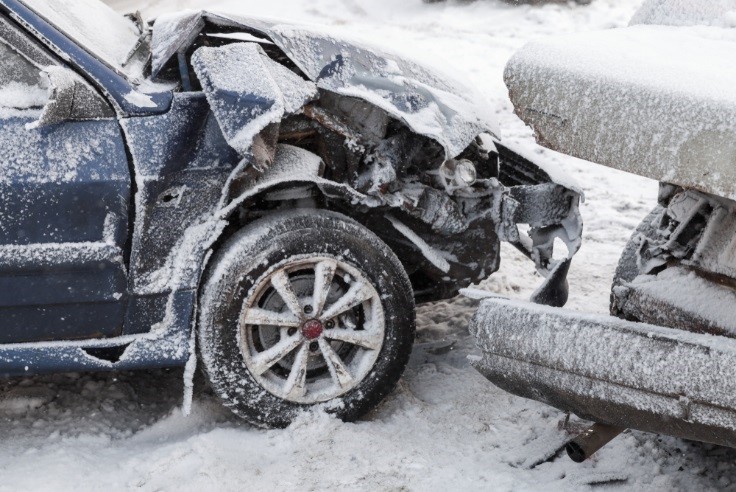 As always, if an insurance adjuster informs you that your vehicle is totaled, it’s important to get towed to a good autobody shop and mechanic. They may be able to help by providing a lower repair estimate—or go over your other options, which may include buying your vehicle as-is. (While buying your totaled car isn’t recommended, there are situations in which it is a good idea.)
Connect with us


- October 2025
- September 2025
- August 2025
- July 2025
- June 2025
- March 2025
- February 2025
- January 2025
- December 2024
- November 2024
- September 2024
- August 2024
- July 2024
- June 2024
- May 2024
- March 2024
- January 2024
- December 2023
- November 2023
- October 2023
- June 2023
- April 2023
- February 2023
- January 2023
- December 2022
- October 2022
- September 2022
- August 2022
- June 2022
- May 2022
- April 2022
- March 2022
- February 2022
- January 2022
- December 2021
- November 2021
- October 2021
- September 2021
- August 2021
- July 2021
- May 2021
- April 2021
- December 2020
- August 2019
- June 2019
- March 2019
- November 2018
- February 2018
- November 2017
- August 2017
- July 2017