

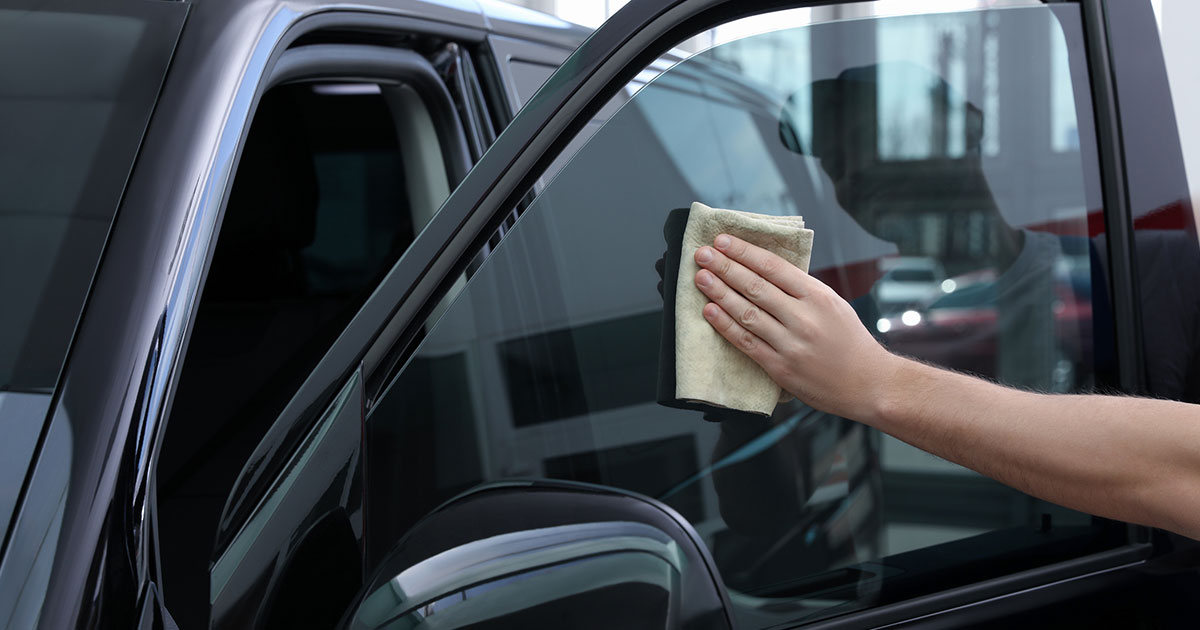
Getting a professional tint job done on your windows can add a little extra layer of
style to your ride, but is it the right decision for you? Before you run out to get a tint job done, there are a
few factors to consider. What kinds of tints are there? Is it safe to drive with? Is window tint illegal or
legal where you live?
If you’re one of the many folks on the road thinking about having tint film added to your car
windows, here are some basics to get you started.
What Kinds of Window Tint Are There?
Most of us have a general understanding of what window tint is—it’s a film of material
that’s applied to automotive glass. It can be done for any number of reasons, including for protection from the
elements, privacy, or just because it looks cool.
There are actually a few different types though, and they each have their own benefits and
drawbacks.
- Dyed: This common type has colored dye between the protective layers. It’s a great
way to achieve a dark shade with decent visibility, but it tends to be one of the cheapest types, and often
doesn’t last as long as others. - Metalized: These tints are characterized by a reflective metallic look, hence the
name. They hold up well and provide solid protection, but some drivers don’t like the mirrored look. Some
professionals also claim that it can mess with the signals of electronic devices because of the metal
particles suspended in the tint. - Carbon: These tend to have the classic matte look that many people associate with
tinted windows. They provide great protection and privacy, but they tend to be on the more expensive side. - Ceramic: This variety offers the best heat insulation and protection from UV rays,
which can be very beneficial in hot and sunny climates. Broadly speaking, this is usually the priciest type of
tint. - Hybrid: A good all-around tint, which is comprised of a mixture of dyes and metallic particles, giving a
decent mix of benefits without major downsides.
What Are the Benefits of Window Tint?
One of the most obvious perks of window tint is that it affords a little extra privacy
because it makes the windows harder to see into. This is quite beneficial because it can deter vehicle
break-ins.
Quality window tint also blocks ultraviolet light from the sun, and this can help to
regulate the temperature inside the car, which saves your A/C from having to work quite as hard. It can also
prevent fading and other forms of interior sun damage.
And, of course, plenty of people get their windows tinted because they just dig the way it
looks.
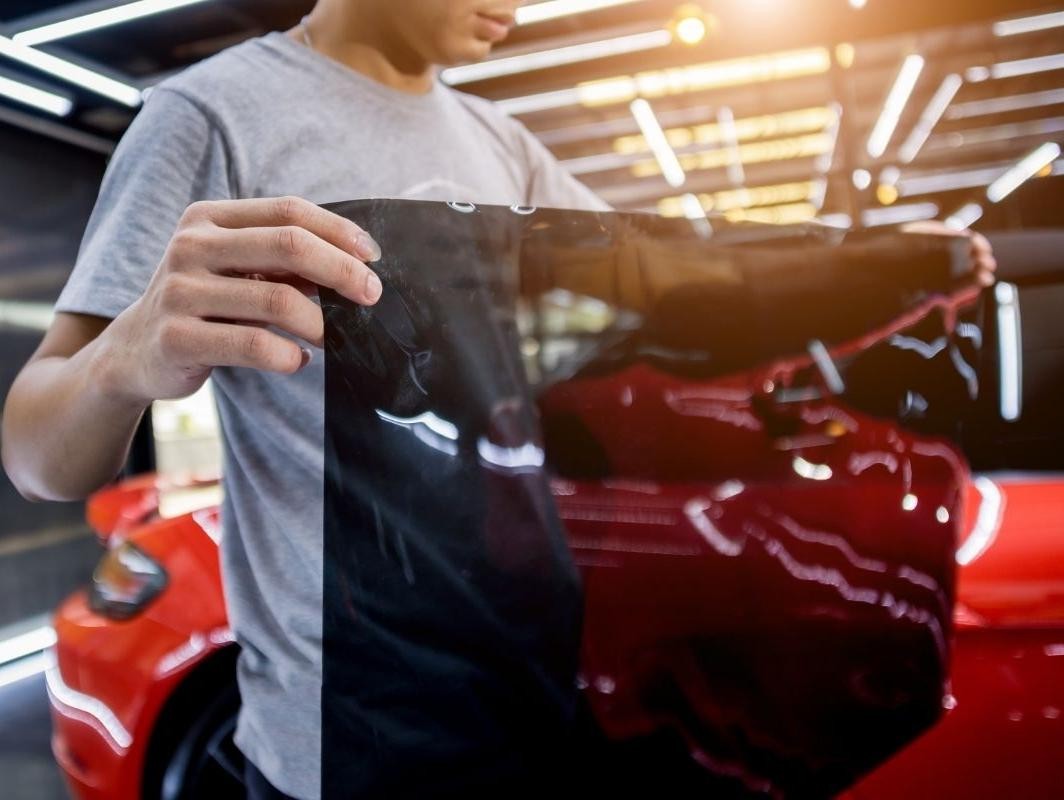
Is Window Tint Safe?
The most important aspect of a good tint job is ensuring that it still affords proper
eyesight in all conditions. Window tint shouldn’t cause any unnecessary glare in direct sunlight, and it
shouldn’t be so dark that it reduces visibility.
Many professional tinters recommend ceramic for the best visibility. But, no matter
which kind you get, the most important factor in preventing accidents is making sure the tint isn’t too dark,
which why it’s strictly regulated by the percentage of light it transmits. If your window tint doesn’t allow
enough light transmission, it makes it difficult to see out the windows, especially at night or in bad weather.
It can make it impossible for drivers to signal other vehicles as well.
In certain instances, window tint can also make it more difficult to break the windows if one
needs to escape in case of a crash. Aftermarket tint can be very hard to rip without a knife, and it can also
render window breaking tools ineffective. So, when considering having your windows tinted, it’s important to be
aware of the risks and always adhere to local laws.
Is My Window Tint Legal?
Each state regulates window tint laws a little differently.
According to Kansas Highway Patrol, all windows must allow 35% light transmission, the
tint must be non-reflective, and it can’t be red, yellow, or amber in color. Tint on the windshield also must
not extend below the AS-1 line, which is located a few inches below the top of the front glass. Many cars have
factory tint here, and most states allow for AS-1 windshield tint, which professional tinters call an “eyebrow.”
Window tint laws in Missouri are a little different. Per the Missouri highway Patrol, the front-side windows must allow for 35% light transmission, but
back-side and rear windows are unregulated. Windshield tint above the AS-1 line is allowed as long as it’s 35%
or more. The state also issues special permits that allows for darker front tint if the driver has a valid
medical reason.
Knowing your local window tint laws is crucial, especially if you live in an area like Greater
Kansas City where you may routinely drive between state lines. Penalties for breaking window tint laws can
include significant fines, and if your vehicle is tinted too dark, you could be held
responsible in the event of an accident.

Stay Safe, KC!
Did you overdo it on the rear window tint and back into something? No need to stress, because
McCarthy Collision Centers has multiple shops across town. We offer free estimates, assistance
with insurance claims, and paintless dent repair
in Kansas City. Check out our locations to find an auto
body shop near you.
Connect with us


- October 2025
- September 2025
- August 2025
- July 2025
- June 2025
- March 2025
- February 2025
- January 2025
- December 2024
- November 2024
- September 2024
- August 2024
- July 2024
- June 2024
- May 2024
- March 2024
- January 2024
- December 2023
- November 2023
- October 2023
- June 2023
- April 2023
- February 2023
- January 2023
- December 2022
- October 2022
- September 2022
- August 2022
- June 2022
- May 2022
- April 2022
- March 2022
- February 2022
- January 2022
- December 2021
- November 2021
- October 2021
- September 2021
- August 2021
- July 2021
- May 2021
- April 2021
- December 2020
- August 2019
- June 2019
- March 2019
- November 2018
- February 2018
- November 2017
- August 2017
- July 2017