• McCarthy Collision Center

Blog / McCarthy Collision Center News

Blog

All McCarthy Collision Center News Car Tips Olathe Dealer Olathe Service
4f7f99428eee47a1bb583b2a28f3f339

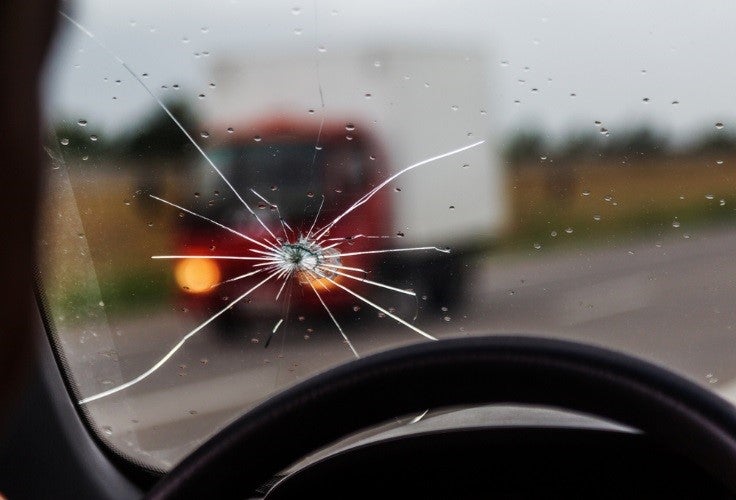
5 Uncommon Causes of Windshield & Auto Glass Damage

Have you ever been the victim of a windshield crack that appeared out of nowhere? Unless you hit Casper on your way to work, that windshield damage must have been caused by a rock or something falling from the sky—right? Unfortunately, the mystery of your busted car window may not be so easy to solve. Here are 5 possible causes of that broken glass. 5. Bad Installation If you drive an older vehicle that has had a few owners, a poorly installed windshield may be to blame. Factory-installed auto glass is typically fine, but when you must replace that auto glass, defects will usually be the result of improper installation. If the glass isn't seated or beaded properly and precisely, gaps can form between the frame and glass. Each time you drive over a bump, pothole, or curb, those gaps can cause the windshield to shatter or crack suddenly. That's why it's important to pay for an auto glass specialist to repair or reinstall windshields after an accident or hail damage has occurred. 4. Extreme Temperatures Pouring boiling water on your windshield during the winter probably won't crack or ruin the glass, as most automotive glass is tempered and resistant to heat. However, if your windshield is already sporting a chip or pit, hot water could cause those spots to expand and, eventually, break. Just scrape your windows the old-fashioned way. 3. Pressure Changes Ears pop when adjusting to higher altitudes or pressure changes. Car windows can do the same, though they can't chew gum to ease the discomfort. If you are driving up to Mile High City and back to Kansas City every weekend, those frequent changes in altitude may cause a broken window. It's highly unlikely, as modern automotive glass is manufactured to adjust to altitudes properly, but stranger things have happened. 2. Poor Glass Quality Not all windshields, car mirrors, and auto glass are created equal. Some products are cheap because they're cheaply made, and that means out-of-factory defects are well within reason. At McCarthy Collision Centers, we use reputable auto glass made by reputable auto glass manufacturers to ensure our customers don't end up needing even more windshield repairs. 1. Previous Damage What's the most common uncommon cause of windshield damage? Stress: It can affect car windows just as much you. Windows that have been chipped, even if slightly, or abused will eventually form stress cracks that grow and grow until—CLASH—it shatters. Tempered glass, or safety glass, can handle a lot of abuse, but unlike human skin, it can't heal. It takes an auto glass doctor to help. So, contact your nearest Kansas City windshield repairer before your car leaves you a glass-shard surprise. Contact McCarthy at 800-NEW-AGAIN to schedule an appointment to fix your windshield cracks and chips this winter. We have body shops throughout the Kansas City area and offer free estimates.

McCarthy Collision Center Logo

Common Causes of Rapid Tire Pressure Drops

If you happen to live in Kansas City, you know extreme drops in temperature can make your Tire Pressure Monitoring System (TPMS) light go off, indicating your tires need air. For every 10-degree drop in outside temperature, your tires can lose up to 2 PSI. Heat can do the opposite, raising your tire pressure by up to 2 PSI for every 10 degrees. But what other reasons are there for your car TPMS to go off suddenly? Here are some common causes of tire pressure changes. Bad Valve Stem Tire valves can weaken over time—typically several years when taking into account road salt and chemicals. These valve stems will develop thin or brittle areas that can cause slow tire pressure leaks. Unlike other causes for tire PSI drops, bad air-fill valves usually present in all four tires, making it an easier problem to diagnose. If this happens, your best course of action is to purchase new tires. Preventative maintenance, which includes regular cleaning and seasonal care, can extend the life of your tires and air valves. Valve Caps Missing Without a valve cap, your tire will be more apt to lose air slowly—sometimes only 2 PSI per month, without any fluctuations in outside temperature. Check your tires to see if any of your air-fill caps are MIA. If so, don't blame raccoons for stealing them; go to an auto parts store and buy a new set for a few bucks. Corrosion of Wheel Bead Seat Your tire is attached to a wheel—obviously. That wheel has several features, one of which is the "tire bead seat." The wheel or tire bead seat sits directly below the wheel flange (side ring) and above the tire well. Beads are the first point of contact between the tire and the wheel, essentially. The purpose of a tire bead is twofold: first, it can help increase brake clearance, and second, it prevents tire air loss. Therefore, if you have an old wheel or one that's built with diecast metals, which are prone to rust, you may have tire air leaks caused by corrosion. A small gap between the metal wheel bead/flange and your tire can slowly deflate said tire, resulting in TPMS alerts. The best solution is to replace your wheels, though you can sometimes utilize bead sealant and a "buzzy wheel" to remove corroded material on your wheel bead. This should be done by a qualified technician or at a service center or auto body shop near you. Poor Seal on Tire Bead Similarly, you may have an issue with the sealant around your tire bead. This can be caused by deteriorated rubber, improper installation, corroded or rusted wheels, a bent rim, or debris that's become lodged in between the seal. Visual signs of a poor tire seal include "bead chunking"—small, raised pimples or missing portions of rubber along the ridge where the tire and wheel meet—and "bead chafing"—obvious and overly aggressive wear on the part of the tire that sits on the flange. A chafed tire bead is usually diagnosed by a technician after removing the tire from the wheel. Broken tire beads can also occur when the tire is mounted improperly or on an improperly sized wheel, or when it's installed on an old or dirty wheel. New tires are the safest solution, and regular wheel alignments can help identify these issues before they become dangerous. Tread Puncture Broken glass (e.g. a glass bottle) won't usually cause any significant damage to your tires, but there are some nasties on the road that can puncture the sidewall or tread (e.g. the 10-inch nail that guttering company left in your driveway). This usually results in an immediate flat tire, but some smaller foreign objects can embed into your tire tread just tightly enough to keep it inflated—until it isn't. A small bump can dislodge the item and cause air loss. If driven on that tire for too long, you may even start seeing tread separation, which is a particularly dangerous condition that will literally separate the tread from the tire—and that's incredibly bad. For small punctures to the tread, if caught early enough, a tire plug or patch may be a possible solution. However, tire repairs like these are usually short-lived, and the best course of action is to purchase a new one. Speak with your mechanic or someone at a trusted autobody center for an assessment. Pothole Damage Potholes are the biggest jerks in the world. Tire damage caused by potholes can certainly result in overnight PSI drops. If you notice a deflated tire and drive on gnarly roads regularly, potholes should be suspect no. 1. Hitting pothole after pothole will stretch tire sidewalls enough to force the tiniest pffts of air out over time, but the real damage comes from bent rims that leave gaps between the wheel and tire beads. You can prevent most pothole-related PSI loss by keeping your tires properly inflated. Check the air pressure monthly and at the start and end of each season, and fill 'em up as needed. Bad TPMS Sensors You checked the pressure on all four of your tires. You reset your TPMS. You had a professional do an inspection. You rinsed and repeated. Still, after all that, you're still getting a warning that your tire pressure is incorrect. In this case, the culprit may be a faulty or damaged sensor within the tire pressure monitoring system itself. Bring it to a certified dealer for assistance. They may recommend replacing it with a new TPMS kit. To avoid an accident—and a visit to our Kansas City body shops—it's important to have a good set of tires. If you notice air loss in one or more of your tires, that's the first sign that there's something afoot. Get it diagnosed! For a free quote on body work or to schedule a wheel alignment in Kansas City, contact McCarthy Collision Centers at 800-NEW-AGAIN. We'll help you out.

Auto car repair service center. Two happy mechanics - man and woman standing by the car

How to Choose an Honest Auto Body Shop

When you need to replace your windshield or repair a dent after a car accident, what’s the first thing you do? Search for an auto body shop near you, of course. However, considering collision repair centers seem to be a dime a dozen in big cities, it can be very difficult to spot a good body shop amidst a crowd of dishonest ones. Don’t get ripped off by a shady auto repair facility or mechanic. Follow the tips below to protect yourself from potential body shop fraud. Tips to Avoid Dishonest Body Shops Good Word of Mouth Researching online star ratings and reviews is an excellent way to begin searching for an honest body shop. However, word of mouth shouldn’t be disregarded. Ask your friends for recommendations, then cross-reference those recommendations with other customer testimonials. Clean Facility Auto body shops and car repair centers are naturally dirty – but that shouldn’t show from the lobby. Choose a facility that looks organized and modern. Free Estimates You shouldn’t have to pay to get an estimate for auto body repairs. In fact, you should get not just a free estimate of repair costs, but also a free and detailed report of all damage and the actions that need to be taken to fix your car. Authentic Car Parts Always ask your chosen auto repair center if they use authentic OEM car parts. If not, ask why, as installing non-OEM replacement auto parts can sometimes nullify your vehicle’s warranty. Before & After Photos Does the collision center have evidence to show off their good work online? Quality before-and-after photos are a good indication that a body shop is reputable. 24/7 Towing Any local body shop worth their weight in aluminum will have some sort of emergency towing service. Insurance Assistance Your collision repair center should be working on your behalf, not your auto insurer’s. They act as your guide and help you navigate the process of filing an insurance claim. If your chosen autobody center doesn’t seem to be in your corner from the start, move your vehicle to another shop. Guarantees Your auto body shop should be providing customers with some sort of warranty or guarantee. For instance, our Kansas City collision centers offer lifetime warranties on all bodywork, paint and general collision repairs. Any problem you encounter related to that work is repaired for free. Auto Repair Financing Many shops now offer financing for paintless dent repair and general collision repair services. Just providing this option is a sign that the auto body facility is looking out for customers. 7 Potential Signs of a Body Shop Scam They “Bury the Deductible” Some shops will offer to help customers save money by lumping the deductible into the insurance claim. This tactic is often called “buying the deductible” or “saving the deductible” – but it isn’t very ethical. Auto body repair centers that offer this are essentially trying to scam the insurance company and consumers by either not performing repairs or overcharging for labor or repair work. So, be cautious of any shop that tells you they’ll waive your car insurance deductible, because they don’t really have the power to do that legally. They are Evasive & Delay Work While it’s completely normal for body work to be delayed, it’s not normal for your collision center to evade you, their customer. If you are playing telephone tag with the shop or can’t seem to get a definitive deadline to pick up your vehicle, they might be taking advantage of you. Once you do get your vehicle back, bring it into another local collision repair center or service center for an inspection. Specifically request that they look at the work the first body shop supposedly performed. They Always Agree with Your Insurer Again, the auto body shop you pick should always be in your corner. If they agree with your insurance company 100% of the time, you may want to question their motives. Shady vehicle repair facilities will form special relationships with insurers – kind of like a “you scratch my back, I’ll scratch yours” type of scenario – that benefits both the shop and the insurer. These facilities are not advocating for you. Instead, your body shop should be notifying you when and why your insurer is incorrect, then provide you with suggestions to improve your claim. They are Your Insurer’s “Preferred” Auto Body Shop In that same vein, be wary of any collision shop that’s “preferred” by your insurer. Although there’s nothing intrinsically wrong with being an insurance company’s preferred collision center, that designation doesn’t automatically make it the best body shop for collision repair. Do your research as we outlined in the previous section before making a choice or judgment. They Won’t Explain Estimates or Repair Process If your auto technician or body shop mechanic knows what they’re doing, they should also know how to explain everything to you when they give you a quote. If they can’t, you should question every line item on the estimate. What’s more, your estimate should be detailed, not just one or two lines. For instance, if you need to replace and repaint your dented quarter panel, the estimate provided by your body shop should break down the costs and work associated with removing the bumper, unhooking the taillights, taking off the side panels, and all other forms of labor or components. The entire repair process should be explained to you when you ask – and you should ask. They Scam You on Auto Parts Dishonest body shops and car repair centers will force you to pay for car parts that you don’t need. The really dishonest shops will force you to pay for car parts that they don’t even install. Instead, they’ll charge you for a new component then either never install it (because it wasn’t needed) or they’ll pocket the component and replace yours with some used, salvage car part. Ask your body shop to show you the receipt for the part, the packaging for the part, and, better yet, the new part installed. They Give Lowball Estimates In some instances, smaller body shops will write an estimate that’s so low, it makes you question the legitimacy of the other auto shops who provided higher estimates. Here’s why it shouldn’t: A “low-ball” estimate can sometimes be a shady tactic to just get your car in the shop (called “seizing the keys”). Once there, the technicians will dismantle the car and magically discover new damage that needs to be repaired. Unfortunately, you won’t know you’re being scammed until it’s too late, which is why it’s important to go with an honest auto repair shop from the get-go, not just the cheapest auto body shop near you. Of course, hidden damage isn’t unheard of. In fact, it’s pretty common – you can’t really see what’s going on with a vehicle – particularly all parts of the frame – without first taking it apart. So, when you find an honest autobody mechanic and shop, you stick with them for years. Need an estimate for collision repair or PDR in Kansas City? Contact any of our McCarthy Collision Centers in MO and KS for a free quote! We offer a full menu of auto repair services and are trusted by thousands of local drivers.

Is Your Vehicle Really Totaled After a Car Crash?

Typically, if the cost to repair your car after a collision exceeds 70% of your vehicle’s ACV, it will likely be labeled a total loss. For instance, if your car is valued at $10,000, and auto repairs are estimated to be $8,000, your insurer will probably total it. Bummer. Do you need to bite the bullet and take a check from your insurance company? Sure, that money can be used to buy a nice, new vehicle; but your totaled car might not really be totaled, after all. Here’s how to know if your vehicle is worth fixing after a car accident. Airbag Deployment Just because your airbags have deployed after an accident doesn’t mean your car is totaled. In fact, your vehicle’s airbags will deploy if you drive into an object – be it another vehicle or a mailbox that came out of nowhere – at just 8-14 miles per hour. That car accident may leave a dent in your fender and give you a minor case of whiplash, but that shouldn’t necessarily force you to mark your car as salvage. However, there are many reasons why your insurance would total your car rather than choose to fix it after your airbags deploy – and it all depends on the price of new airbags (oftentimes over $500) and repairs vs. your vehicle’s estimated Actual Cash Value (ACV). The vehicle is older, and replacing the airbags and making repairs would cost more than the vehicle is worth. Your vehicle’s ACV is low because it has high mileage. The general condition of the car lowers its resale value, even before the car accident occurred. Your insurer considers the accident to be your fault, so they reduce the total loss value by all expenses they incur to repair the other driver’s vehicle. There is a low demand for your vehicle on the used resale market in your region. (For instance, a used Silverado would have a higher ACV in rural Sedalia, while a used Sonata might be valued higher in Kansas City.) Simply put, if repairing your car would cause other safety concerns. But you can get a second opinion on car repairs that may keep your car out of the salvage yard! Tell your insurance company that you’d like an airbag replacement quote from an honest body shop near you instead of getting a check or salvage title in the mail. Need a Free Autobody Repair Quote in Kansas City? If you require a second opinion in Kansas City, contact McCarthy Collision Centers for a free estimate on your autobody repairs. We’ll even help you with your insurance claims – because the last thing you need after an accident is to deal with extra stress.

Top 6 Signs of a Damaged or Broken Car Axle

A vehicle’s axle is comprised of a large bar, usually a steel transaxle or drive shaft, that connects the wheels to the steering system, engine and transmission. Power and torque are transferred from the engine and transmission, respectively, through the axle and to the drive wheels. While some axles are more complex – cars with split-axles, for instance, utilize CV joints to provide independent suspension to each wheel – but they all essentially work to do the same thing: make your car tires spin. When a car axle breaks, either abruptly (like hitting a curb) or due to frequent overuse (like driving with too much payload), you’ll usually know there’s a problem because the tires simply won’t spin. However, there are some signs and symptoms of axle damage that might indicate a broken axle—and a visit to an axle repair shop—is on the horizon. 6. Car Won’t Budge The most obvious sign of a broken axle is when your car tires won’t rotate. The car will turn on fine. Its engine will sound happy as a clam when you rev it. There aren’t any electrical issues—no dashboard warning lights, no weird clicking sounds. It. Just. Won’t. Move. Why does this occur? It’s usually the result of a bent axle joint that’s finally snapped like a Slim Jim. You’ll need a tow truck to haul it to a repair shop near you for an inspection and axle damage repair. 5. Vehicle Strains Car axles are fairly resilient, but when they’re under pressure, you’ll feel it in the gas pedal. When an axle is bent or damaged, your vehicle might begin to strain. You’ll put it into gear and notice right away that power isn’t getting transferred to the wheels (i.e. it’s slow to get going). A straining vehicle doesn’t necessarily mean that you have a bad car axle, however. This should accompany some other signs of axle damage (below). 4. “Sputtering” Noises Along with straining to move, the vehicle may also make sputtering, bumping or clunking sounds. This is because the axle is not able to transfer adequate power to the wheels. These bad axle sounds will be audible when the car begins to move as well as when turning the wheels. 3. Wheel Wobbling & Vibrations Underinflated tires, unaligned wheels and loose lug nuts can also make your vehicle vibrate. But if you notice any other signs of axle damage, don’t disregard it! Your car is incredibly dangerous to drive once you begin noticing vibrations caused by a damaged axle or other suspension problems. 2. Brake Pad Misalignment You’ll notice some braking issues once your bent axle starts going bad. The brake pads will begin to shift and become misaligned with the wheels and rotors, and once that happens, you may notice the vehicle skids or slips to a stop. Over time, the brakes will eventually cease to function at all. 1. Leaking The brake seal on an AWD or 4WD vehicle’s driveshaft may shift and begin to leak small amounts of oil. This will be noticeable when looking at the brake drum. Axle CV joints can also leak grease, which is not as detectable. However, once this happens, the joints will collect dirt and dry out and deteriorate quickly. Get Broken Axle Repairs ASAP! What happens if your bent axle finally breaks? If you’re lucky, your car simply won’t move out of the driveway; if you’re unlucky, the wheel bearings will seize while you’re on the road, and the tire and entire wheel will fall off, leaving you with an out-of-control vehicle. Don’t take that risk! Get an inspection at a service center or auto body shop near you if you’ve experienced any problems with your vehicle’s driveshaft or axle. For a tow and free quote in Kansas City, contact one of our McCarthy Collision Centers or car dealerships. Dial 1-800-NEW-AGAIN to speak with a member of our team today. We have body shops throughout Kansas and Missouri, including Olathe, Sedalia, Overland Park, Lee’s Summit and Blue Springs.

Rusted Car = Busted Car? Auto Rust Repair Can Help!

Worried about those rust spots on your car? They’re obviously eyesores, but rust on a vehicle can also cause significant damage to your car’s chassis, body panels, frame, and sheet metal. So, having some trepidation about that unsightly car rust is appropriate. What Type of Damage Can Car Rust Cause? Like anything made of metal, your vehicle is susceptible to rust, forcing it to age ungracefully over decades. Even a small scratch, when left untreated, can spread into a full-blown rust-pocalypse within a few years. That’s because of a chemical reaction—oxidation—that occurs when iron, h2o, and oxygen interact. Rust protection like car paint eliminates the exposure of its metal frame to water and oxygen. Aside from gross brown spots around your car, rust can cause the following type of vehicle damage: Holes in your muffler, catalytic converter, or exhaust system. This reduces fuel efficiency greatly and can emit potentially fatal carbon monoxide gas into the cabin. Holes in your trunk or hood, allowing water to flood your cabin or cargo area. Decay of your engine. Rust eats away at metal mounts, pistons, valves—essentially everything your engine requires to operate. Damage to electrical systems. Malfunctions of your power windows, radio, gauges, and lights can be caused by spreading rust. Cracks in the underside, resulting in oil leaks, fuel leaks, and general corrosion of axles. Your car will lose thousands in resale value for any visible rust damage. How Can I Repair Car Rust Damage? Repairing rust damage on a car is no simple task. That’s why it’s important to bring your vehicle into a trusted auto body shop that’s certified in rust repairs. Most body shops have specialized equipment to identify, assess, and repair rust damage even before you’ve researched how to do it. Typically, the auto body repair process to un-rust rusted cars come in two forms: Small Rust Repair – This is usually performed on small, confined areas where rust is prevalent yet has not penetrated metal. Such areas include wheel wells, door panels, exhaust pipes, and fenders. Rust patches usually form when deep scratches are not fixed, so our Kansas City body shops will first repair those scratches, then remove the rust and repaint the area to match your car’s color. Large Rust Repair – When rust has metastasized to several car parts or penetrated the underside, more extensive auto body repairs will be necessary. In this case, the technicians at our Kansas City collision centers will cut out the damaged areas and replace the metal with a strong bond or weld. In some instances of extreme rust damage, the entire car frame may need to be replaced. How Do I Prevent Car Rust? Prevention is the best medicine when it comes to the health of both you and your car. To prevent rust from damaging your car, you can follow the recommendations below: Wash and wax regularly, at least once per season. Applying a high-end wax will ensure even the oldest car can withstand rust attacks. Get thorough underbody washes, especially after winter. Because Kansas City gets snow, it also gets a healthy taste of road salt and chemicals. This eats away at the undercarriage of cars, causing rust. Don’t allow water to sit on your vehicle. If you have areas on your car that collect rainwater—the trunk is a prime example—wipe it away after any storms. Better yet, cover or store your car in a garage to prevent rain from pooling. Clean off bird poop right away! Get a rust protectant pre-treatment. When you buy a car or visit an auto body shop, you can ask for anti-rust coating for your car’s body and underbelly. Inspect for signs of rust regularly. Symptoms include bubbling paint in areas, typically near the wheels, peeled paint around dents, and deep scratches down to the metal. Invest in floor mats, especially if you have an older car. Water and road salt in winter can saturate your carpets and leak through to the floor. And who wants a huge hole in their floor? Get routine inspections from an honest auto body shop. The #1 reason rust damage occurs is due to the negligence of regular maintenance. A trip to your auto service center can discover rust problems before they become catastrophic. Rust Damage Repair in Kansas City Don’t let car rust take over—protect your four-wheeled baby! Whether you suspect underbody rust or see rust holes along your wheels, bring your car into one of our collision centers near Kansas City for a look-see. At McCarthy Collision Centers, we have the gear, tools, and experience to repair rust damage on any vehicle, big or small. Find your nearest rust repair shop in Kansas City today, or simply call 800-NEW-AGAIN to schedule an appointment and receive a free estimate. We’ll be here waiting.

DIY Windshield Chip Repair Kits: Good or Bad?

Assaulted by a rogue rock, car windshields will chip or crack – this is just a part of driving – no matter how many preventative actions you’ve taken. But instead of visiting a local body shop to get your window chip fixed, you decide to do it at home with a DIY windscreen repair kit. It’s the thrifty choice, as do-it-yourself Autoglass repair kits are quite cheap – you can normally buy a decent Loctite, Permatex, or 3m product for less than $20 – and you’ve got YouTube video tutorials to guide you through the process. How hard could it be, right? In certain situations, it can be fairly difficult to produce quality results with a standard car window chip kit. Depending on the size of the glass chip, or if there is any spider webbing or bullseye damage, it may be in your best interest to head to a professional windshield replacement or Autoglass repair shop. Here’s how to know if you should stick to the DIY route or bring in the big guns, like the pros at our Kansas City body shops. (Apologies for the shameless plug.) Types of Windshield Damage & Recommended Repairs Chips The most minor form of windshield damage. Window chips, sometimes referred to as stone-breaks or dings, are usually found on the first laminated layer of glass, where the debris made impact, and will rarely affect the plastic interlayer. Can it be repaired at home? A good windshield chip kit may be the solution if the glass chip is smaller than 1 inch in diameter and there is no splintering or sign of visible cracks stemming from the impact site. Should I bring it to the shop? If the ding is in the “danger zone” of the windshield – that is, on the outer edge of the windshield, directly within the driver’s line of sight, or near the windshield wiper blades – you may need a windshield replacement. Some insurance plans may even cover the cost of repairing a windshield without raising your premium or asking for a deductible. Ask your agent for more details. Bullseye Chips Bullseye windshield damage refers to any glass chip that appears as a dartboard, with a well-defined “pit” in the center. Can it be repaired at home? DIY windshield bullseye repair kits do an admirable job of filling in minor bullseye chips up to 1 inch in diameter, though it should be noted that the damage can still be visible even after the repair. Should I bring it to the shop? Similar to a standard window chip, bullseye damage should be repaired by a professional when it’s on the edge of the windshield, within the driver’s sightline, or near wiper blades. Oftentimes bullseye chips are not repairable. Half Moons Also known as partial bullseyes, half moon windshield chips are usually smaller than bullseyes and may not have the same distinctive, symmetrical dartboard shape. Can it be repaired at home? Partial bullseye chip kits can work, but don’t expect the damaged area to disappear entirely after applying the resin. Both half moon and bullseye chips are notoriously difficult to hide, post-repair. Should I bring it to the shop? If the half moon is larger than an inch or sits within the “danger zone,” consider taking it to an auto glass repair center. Surface Pits Deeper gouges in the glass are referred to as surface pits or, simply, windshield pits. These pits are not usually penetrative or damaging to the tempered center of a car windshield. Can it be repaired at home? Because surface pits are typically deeper than a chip, windshield pit repair resin or filler may only fix damage with a diameter of 1/8 or 1/4 an inch. Should I bring it to the shop? Any pitted auto glass that shows signs of cracks or spiderwebs, or any pit that has penetrated the interlayer of the windshield, should be brought to the professionals. Combination Breaks A chip or crack in your windshield that features a combination of any or all forms of damage, including bullseyes, chip cracks, stars, etc. Can it be repaired at home? Combination breaks in a window are repairable if they’re less than 2 inches in diameter. However, unless the damage is very minor, windshield repair kits for combination breaks are not recommended. Should I bring it to the shop? Any combination break larger than 2 inches should be brought to your auto glass replacement center. Star Breaks Usually, star breaks will feature numerous “legs” that branch out from the impact site, almost like a star. Can it be repaired at home? This type of damage can be quite complex, therefore it’s not advisable to use a star break windshield repair kit. Should I bring it to the shop? Star breaks smaller than 3 inches in diameter can sometimes be repaired by an auto glass technician, though total window replacement isn’t out of the question. Hail Damage Hailstones are the devil. They’ll ding, crack, or even shatter car windows. Can it be repaired at home? Unless you were extremely lucky and found a single small chip after a hailstorm, we don’t recommend using a hail damage repair kit to fix your windshield. Should I bring it to the shop? We fix plenty of vehicle hail damage in Kansas City. Most often, we find that windshields damaged by hail cannot be fixed. It’s also more cost effective to replace the entire pane of auto glass. Cracks A crack in your windshield, no longer than 14 inches, should be repaired immediately. Cracks can expand, spiderweb, or entirely break your window if left too long. There are four subsets of cracks, which include stress cracks, edge cracks, floater cracks and chip cracks. Can it be repaired at home? Some windshield crack repair kits claim to fix cracks up to 14 inches in length; be wary of these claims! The auto glass technicians at our Kansas City body shops only recommend attempting to repair windshield cracks up to 2 or 3 inches in length, and even then… Should I bring it to the shop? Cracks that are longer than 3 inches, including edge cracks, stress cracks, and floater cracks, should be inspected by a professional. Any damage with 3 or more large cracks would indicate a replacement windshield is in order. Don't DIY. Get Professional Windshield damage repair. Windshield chips and cracks are nothing to mess around with. If you’re driving around with a damaged car window, you could very well be one stone, speedbump, or accident away from a very dangerous and potentially life-threatening situation. So, either buy your windshield repair kit or bring your vehicle to an auto glass specialist. It’s the smart thing to do. For professional and affordable auto glass repair and windshield replacement in Kansas City, head to your nearest McCarthy Collision Centers location, and receive a free quote.


Do New Car Safety Features Prevent Crashes?

Have you ever made a mistake because you got distracted while driving? Maybe you turned your attention to your car stereo and started drifting out of your lane. Or you were taking a bite out of your burger and didn't see the other driver turn in front of you. Even though you know better, you might have been sneaking a peek at your smartphone and didn't notice a child dart out into the road. Hopefully, you avoided a crash that could have led to a catastrophe. But luck won’t always be on your side, which is why it’s important to keep distractions to a minimum when driving. You never know when that wrong move will result in a fender-bender—or worse. What is Distracted Driving and How Can We Avoid Doing It? Distracted driving is considered to be any behavior that takes your attention from the road, like using your phone, eating or drinking, playing with the navigation system or stereo, or even turning to talk to the passenger in the seat next to you. According to the National Highway Traffic Safety Administration, 3,450 people died in 2016 due to distracted driving. To make people more aware of the dangers of distracted driving, April has been named Distracted Driving Awareness Month. It's important to understand the behaviors that can lead to distracted driving and avoid them. But the truth is that all of us waver in our attention as we drive. Even if you're not texting, eating or choosing a new radio station, you might be thinking about something else and not focusing on your primary task of driving safely. Can Vehicle Safety Features Protect You From Distracted Driving? That's where vehicle safety features come in. Over the past two decades, car manufacturers have been adding new safety features like antilock brakes, airbags, and electronic stability control into vehicles to help drivers survive accidents; the implementation of these safety systems has paid off as there have been fewer deaths each year. In fact, in just the three-year period between 2008 and 2011, driver death rates fell by one-third, according to the Insurance Institute for Highway Safety (IIHS). Today, manufacturers are focusing more on crash avoidance features to bring those collision and death rates down even further. These include: Automatic brakes. Application of the brake if a forward crash is detected and you're not braking fast enough. Forward collision warning. Audio or visual (or both) warning of a possible crash with something in front of your vehicle. Blind spot detection. Audio or visual (or both) warning of something in your blind spot. Lane departure warning. Audio alarm that sounds when you've drifted over lane lines. Lane departure prevention. Assists with keeping the car centered in the lane. Adaptive headlights. Automatically moves lights up and down -- as you go over hilly roads -- and left to right -- as you go around curves -- for better visibility. In 2015, IIHS research found that drivers in vehicles with these collision safety features in place had 11% fewer single-vehicle, head-on and sideswipe accidents. The features also helped to keep more serious accidents from occurring and led to a reduction in injury crashes by 21%. If every vehicle on the road had these features in place at the time of the study, more than 55,000 injuries would have been prevented. And while the nationwide implementation of these advanced car safety features would lead to our Kansas City collision centers servicing fewer customers, it’s a worthwhile price to pay in order to save lives. Can Collision Avoidance Features Prevent Distracted Driving? There are two problems with crash avoidance features: Drivers rely on them too much and don't curb their own problem behaviors; and Drivers don't understand the limitations of the technology. In the latter case, that means some drivers believe blind-spot detection will always see an obstacle in the blind spot, even though, at high rates of speed, that won't always happen. It's important to review your vehicle manual and talk to your dealer to fully understand how the features work and how to utilize them correctly. (They aren’t all created equal!) You, as a responsible driver, still need to look and use good judgment, as well as avoid behaviors (e.g. using your phone) in order to stay as safe as possible on the road. This April, it's a great time to make sure you're not driving with distractions. And next time you purchase a vehicle, consider one with crash avoidance features that can help you keep from a dangerous collision if you do get into a tight spot. In the meantime, if you have questions about collision repair or need a trustworthy auto body repair shop in the greater Kansas City area, be sure to contact McCarthy Collision Centers for help. Sometimes collisions are unavoidable, and we’re here to help. With Missouri and Kansas auto body shop locations in Olathe, Sedalia, Overland Park, Lee’s Summit, and Blue Springs, McCarthy is the name to trust to get back on the road! Dial 1-800-NEW-AGAIN to schedule an appointment or request a tow.

What To Do After a Hit and Run? 5 Important Steps To Follow

According to the AAA, approximately 682,000 hit-and-run crashes have occurred each year since 2006. Considering a hit-and-run accident occurs every minute in the United States, it’s no surprise that Kansas City was host to an unfortunate hit-and-run that caused a double fatality in October. With such a terrible accident happening so close to home, we thought our readers would appreciate these 5 simple steps to take after a hit-and-run in Kansas City—or anywhere in the U.S. 1) Pull over to safety Unless you are a seasoned mechanic, car specialist, or a technician from one of our Kansas City auto body shops, you will won’t likely be able to determine whether it is safe to continue operating your vehicle after a hit-and-run. The best thing to do is to pull your car off the road and park it in a safe location. In some cases, the safest location might be the shoulder of the road, though any parking lot or side road should do. 2) Seek medical help immediately Once you have safely pulled off the road, call for medical assistance if you or any of your passengers have sustained injuries. If you are injured, wait for medical help to arrive and do not try to move. Neck injuries are no joke! 3) Call the police Even if your accident seems minor, it is wise to report the crash to authorities. Make sure that you report all the details of your accident. even if they seem irrelevant as seemingly small details can play a key role when dealing with your auto insurance company or identifying responsible drivers. Here are some key details to make a note of before and during your interaction with the police: The make and model of the car that hit you If you are unsure of the make or model of the vehicle, provide a description of the vehicle's color and features The car's license plate number or any portion of the plate number Contact details of any people who saw your accident The exact location of your accident Name and badge number of the police officers who respond to your call 4) Contact your insurance company "Because there is no other driver whose insurance company can be involved in taking care of the damage, a hit and run accident will be taken care of under your own policy. Hit and run accidents are the only accidents in which you are not at fault for which you will be required to pay your collision deductible, in most cases. This can vary from company to company." - InsuranceHotline.com You should contact your insurance company even though you are not immediately able to identify the driver who hit your car. While the accident will likely be taken care of under your own policy, you should still call your insurance agent to discuss your next steps, including filing a claim and securing a rental car. 5) Seek the expertise of a trusted body shop "Even if the damages seem minor (for example, you can spot only a few dings and scrapes on the bumper), you should have your vehicle inspected by an auto repair mechanic BEFORE you resume using your car as you normally would." - DMV.org Trying to drive your car right after a hit-and-run accident could compromise your safety and lead to serious damage to the vehicle. A trusted collision repair center can evaluate your car and confirm that it’s safe to drive while identifying any necessary repairs. If the damage to your vehicle is severe, a collision repair specialist can help you determine whether you should attempt to repair or replace it. Auto body shops will also work with you and your insurance company. As your proverbial middleman, the auto collision shop will ensure all damage is addressed in your claim, so no surprises will be waiting for you. The Bottom Line Being involved in a hit-and-run accident can leave you shaken and uncertain about what to do. By maintaining a calm demeanor and following the five steps above, you can help protect your well-being and ensure that your vehicle is in good working order prior to driving it again. Don’t worry—you’ll get through this! Been involved in a hit-and-run in Kansas City? Once you’ve handled injuries and called the police, contact your nearest McCarthy Collision Centers location for a tow and free estimate. Dial 800-NEW-AGAIN for immediate assistance and partner with one of the best Kansas City body shops to rejuvenate your vehicle. We look forward to helping you throughout the entire process. Sources: https://newsroom.aaa.com/2018/04/hit-run-deaths-hit-record-high/ http://aaafoundation.org/hit-and-run-crashes-prevalence-contributing-factors-and-countermeasures/ https://www.kansascity.com/news/local/crime/article219721765.html https://www.insurancehotline.com/how-to-handle-a-hit-and-run/ https://www.dmv.org/accident-guide/car-accident-faq.php

How to Keep Your Dog Safe on Road Trips

With the warm weather of spring and summer approaching, it's more likely that you’ll be traveling with your canine companion for camping and road trips, as well as going to and from the park and running errands around town. When we think of car safety features, we often think of protecting humans in case of a crash. But there are several car features that also enhance vehicular safety for our four-legged family members, as well. Automotive Safety Features To ensure your dog stays safe on your next road trip, consider getting a car with these pet-friendly features: Privacy glass. Dogs can’t sweat—this is a fact. Privacy glass in the rear of the car helps to filter the sun and keep temperatures low, so your dog’s panting will be out of excitement, not heat. While the degree of tinting available to you may vary based on local laws, keeping the back of your car cool is essential if you plan on traveling with dogs. Multi-zone climate control. Most air conditioning systems are focused on maintaining comfort in the front seats of the car, but furry passengers need climate control as well. The ability to monitor and adjust the temperature in the back seat or cargo compartment is important for pets to remain comfortable and safe from overheating. Side curtain airbags. Front passenger airbags can be deadly for pets, but when a pet is properly secured in the rear seat, a side curtain airbag is an important safety feature in the event of a crash. Even if your pet travels in a carrier, a side airbag offers additional protection. Car Accessories Made for Pets If you frequently travel with your pet, consider adding these pet-friendly car accessories: Pet harnesses or restraints. Your needs will vary depending on the size of your dog, but pets shouldn't travel unsecured any more than people should. Pet barrier. A pet barrier gives your dog freedom to move around while still containing them safely in the rear of your vehicle, preventing them from interfering with you during the drive. Mats and liners. Scratch-proof floor mats and seat liners are easy to clean and provide good traction for canine paws, helping to keep them balanced even around tight turns. To order car accessories to accommodate your dog, be sure to visit a quality auto parts dealer. At our McCarthy dealerships, we not only perform full auto body repairs, we also install OEM car accessories for popular vehicle models. Dog-Safety Driving Tips Regardless of your car's features, there are some important things you can do every day to ensure your pets travel in safety: Never leave your pet unattended in a vehicle. Even in the shade on a cloudy day, cabin temperatures can rapidly reach unsafe levels, adding up to 40 degrees to the outside temperature. Dogs are highly susceptible to heat stroke, and it's simply not worth the risk to run into the store for a gallon of milk. Always restrain your pet. This is a legal requirement in many states but should be standard practice everywhere. Allowing your pet freedom of movement inside a vehicle is unsafe behavior for a driver. Approximately 31% of people who drive with their dogs admit to being distracted by them, and 59% admit to engaging with their pet in distracted behavior while driving. Limit time “out the window.” While everyone knows that dogs love to ride with their head out the window, it's a safety risk. The occasional rock or pebble that may chip your windshield can be a terrible injury for a dog, especially when driving at high speeds. Keep your pet fully inside the vehicle at all times to protect their precious little faces. No matter where the road takes you and your tail-wielding best friend this summer, staying safe should be rule #1. Our Kansas City collision centers can repair most auto body damage, but there’s not much anyone can do if you fail to keep your dog protected during that next big adventure.

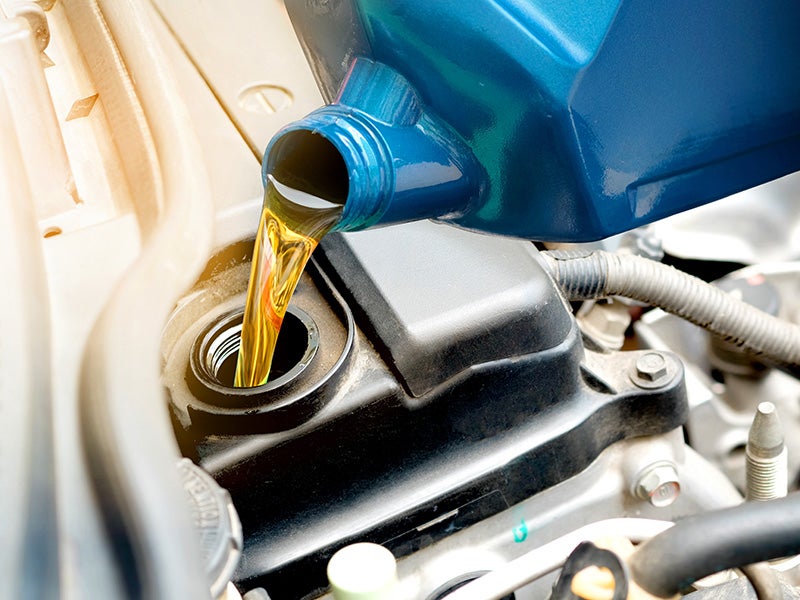
oil change

5 Auto Maintenance Tips for Cars with 100k+ Miles

Once your car reaches that 100,000-mile mark, it can start falling apart, especially if you haven't taken measures to regularly care for your vehicle. But hitting this milestone doesn't mean you have to push your car into the scrapyard. In fact, with proper attention and general auto maintenance, your vehicle can last you another 100k miles. Here are some ways to help you get to the 200k milestone. 1. Replace key parts. After years upon years and miles upon miles, your car can wear down. It's natural, and when you reach that 100k-mile mark, it can only benefit you to spend a little money on replacing the parts that most commonly wear out. This includes belts, tires, and brakes. There are others, but these are the most vital. Making sure these are in top condition will keep you driving longer. 2. Regular inspections. These include inspections done in your own garage and at a professional repair shop. If you are handy, check things like tire pressure, shocks, hoses, clamps, and U-joints. Replace them if you notice signs of damage, or visit your trusted mechanic for advice and to order parts. 3. Pay attention. When you drive the same car for years, you become attuned to the sound and feel of it. So, when you're driving your old car, make sure to listen carefully. If something sounds strange or you notice a rattling that wasn't there before, have it checked out before it gets worse. Early preventative actions put less stress on your vehicle, making it last longer. 4. Drive smart. Driving aggressively or irresponsibly isn't just dangerous for you and other drivers, but it also puts needless strain on your vehicle. By driving gently and treating your brakes well, you can extend its mileage and make your trips more efficient on gas. 5. Visit your trusted auto repair or auto body shop. You may know your car like the back of your hand, but nothing beats a professional’s opinion. Regular full-car inspections, oil changes, and scratch/dent/damage repairs are worth the expense and will save you money in the long run. Our McCarthy Collision Centers have been reliably serving Kansas City drivers for years. If you need help after a collision or simply want to fix up minor dings, contact us at 800-NEW-AGAIN or visit one of our five collision centers near Kansas City. We offer auto body services such as airbag replacements, suspension repairs, and auto glass installations, allowing you to enjoy 100,000 more miles in your vehicle. Sources: https://axleaddict.com/auto-repair/Maintaining-Your-Car-at-100-000-Miles https://www.thebalance.com/high-mileage-vehicle-maintenance-checklist-1387718 https://www.carwise.com/blog/2017/04/21/maintenance-tips-cars-100k-miles/

Beware of Counterfeit Car Parts in Kansas City

Everyone tries to save money when buying auto parts, or paying to have their vehicle serviced and repaired. Then what’s the harm in taking a mechanic’s offering of cheap knock-off car parts? We’re here to give you the low-down on counterfeit parts, so you don’t make a poor decision when fixing your car. After all, the need to be fiscally responsible shouldn’t lead you to skimp on the parts that keep you safe on the road! So, how ubiquitous are these fake car parts in the auto repair market, and are they really that dangerous? Where Do Counterfeit Auto Parts Come From? Per Bruce Foucart, director of the National Intellectual Property Rights Coordination Center, somewhere between up to 95% of all counterfeit auto parts come from China. These fake parts are never tested in accordance with U.S. standards for safety and failure rates. What’s more, automotive agencies have reported that the production, distribution, and sale of these faulty counterfeit parts have increased dramatically over the last 15 years. This illicit trade generates somewhere around $12 billion a year, according to a U.S. FTC report. Types of Fake Car Parts As is the case in life, you get what you pay for when buying a counterfeit car part. They’re made of poor materials and can compromise the longevity of your vehicle, let alone your life! Don’t risk life and limb over these essential car parts. Counterfeit parts include windshields, airbags, brake pads, and seat belts—all of which may be fabricated with cheap materials from shoddy factories that are not certified or recognized by auto manufacturers. Airbags, in particular, seem to be the worst of the bunch; many counterfeit airbags fail to deploy or deploy in such a way as to unnecessarily injure passengers and drivers. Knock-off brakes can also be troublesome, as they can malfunction and cause damage to other vehicles and injure pedestrians. What’s worse, people in the U.S. depend on their cars so much that they will inevitably venture into the bargain bin when it comes to car parts. Recognizing the demand, counterfeiters have picked the American market as a source of steady income. And it’s a high-reward, low-risk scenario that doesn’t typically result in loss of product or imprisonment. Protecting Yourself from a False Fix When it comes to making sure that your car is not infiltrated by cheap, dangerous parts, Foucart suggests taking the following measures: Only patronize repair and body shops you trust, like our collision centers near Kansas City. We are a reputable source for OEM car parts, and that’s our guarantee. Avoid offers for cheap parts and cheap repairs. We often have car part coupons or collision repair deals, but those are updated regularly to give you a good deal, not another headache down the road. Approach buying auto parts with caution and scrutiny, especially on the internet from unestablished vendors. If you think you might have bought a counterfeit part, the best thing to do is to speak with an OEM representative or trusted mechanic with experience. That’s where our McCarthy Collision Centers can help. Offering world-class collision repair in Sedalia, MO and the KC region, our experts will determine if you’ve been the victim of a false car part installation, then make the necessary changes to right the ship. When you need to order an authentic auto part or require collision repair in Kansas City, trust in the McCarthy name. Find your closest McCarthy auto body shop near Kansas City, Olathe, KS, or Sedalia, MO, and let us work for you. Sources: http://americanrecycler.com/8568759/index.php/news/category-news-2/1265-counterfeit-auto-parts-endanger-everyone http://www.richardscollisioncenter.com/autobodyblog/2016/5/31/rise-in-counterfeit-auto-parts-cause-safety-concerns http://verifybrand.com/counterfeit-auto-parts-pose-growing-threat/

Contact Us

Fill out this form below and we'll contact you shortly
*Required Fields