• McCarthy Collision Center

Blog / McCarthy Collision Center News

Blog

All McCarthy Collision Center News Car Tips Olathe Dealer Olathe Service
collision3

Potential Car Technology to Stop Drunk Drivers

If the stars align, automakers will be tasked with finding a solution to drunk driving in the next few years. At least, that’s one of the primary goals laid out in the country's new infrastructure bill, which has been see-sawing on “yay” or “nay” for months. Drunk drivers injure more than 300,000 people and kill over 10,000 people a year, the latter of which equates to nearly half of all traffic-related fatalities. Considering the data indicating that only 2% of Americans drive while intoxicated, that’s a lot of unnecessary pain and death. So, even if the “nays” end up securing a “win,” it’s important to note that mandates aren’t necessary for automakers to do the right thing and start producing cars with anti-drunk-driving technology. Heck, some would argue that it’s the smart choice given our shared proclivity to, you know, stay alive. What exactly could vehicles to do stop drunk driving? Is there already technology out there or does it need to be invented before 2026? According to some engineers and industry experts, we’re close to figuring it all out. The Options: MADD + DADSS The Driver Alcohol Detection System for Safety (DADSS) is the project automakers and the NHTSA have developed. Their goal: Create new technology to passively detect intoxicated drivers before they can get on the road. While automakers and the Transportation Department investigate possible solutions, Mothers Against Drunk Driving (MADD) has identified over 240 different automotive technologies that could prevent intoxicated driving. Some of their proposed solutions are fantastical, though others are more pragmatic and utilitarian. Below are some technologies that may prove to be useful right away. Advanced Driver Assistance Systems Currently, the best in-vehicle technology to save lives due to drunk drivers all fall under the “advanced driver assistance” umbrella. In particular, systems like lane-change warning, lane-change assist, attention monitoring, and emergency automatic braking all serve a purpose in this endeavor. Lane Change Warning/Assist This technology alerts the driver when they’ve ventured outside of their lane without using a turn signal. Some of these systems sent vibrations and audible warnings, while others actually provide corrective steering to keep the vehicle in its lane. Nearly all automakers have lane-change alert/warning as either standard or optional equipment on their vehicles. Attention Monitoring Many automakers, including GM, Hyundai and Nissan, already have some form of eye-tracking technology to detect distracted drivers. These systems keep watch for any signs of inattentiveness and may even provide corrections to prevent collisions. While they’re not entirely foolproof, they may be the most practical, short-term solution to stop drunk drivers behind the wheel. As of 2022, driver monitoring is available on most new vehicles, including those produced by GM, Honda, Hyundai, Nissan, Subaru, and Toyota. Emergency Automatic Braking If a collision is imminent, this system automatically applies the brakes to prevent or reduce damage. The systems may also be able to detect and brake for pedestrians. Most new vehicles offer emergency braking, with or without pedestrian detection. Push-Button Starter with Sensors Wisconsin’s WISN 12 interviewed Dr. Walter Schilling, a software engineer, to discuss the potential tech that could eliminate drunk driving. “One of the initial ideas is some sort of a sensor that would either be embedded in the start button or on the steering wheel,” Schilling said. “And what it would do is shine infrared light into your finger and basically look for the telltale signs of alcohol in the blood.” David Harkey, president of the Insurance Institute for Highway Safety, also believes in technology like this. “I actually think this particular technology could save more lives than airbags,” he said. “We're talking about more than 10,000 people that are losing their lives annually as a result of alcohol-impaired driving in the country.” Breath and Air Analyzers Schilling also mentions that traditional breathalyzers could be modified to measure the alcohol content in the cabin itself, not just the person’s breath. MADD calls this technology “passive alcohol detection,” which they claim could prevent more than 9,400 lives per year if it’s made standard on all vehicles. The following brands either have or are developing these systems: Ford, GM, Honda, Hyundai, and Toyota. DADSS researchers have designed special sensors, mounted on the vehicle’s dash or windshield, that only require drivers to breath in its direction to check their approximate blood alcohol content (BAC). As part of a pilot program, these sensors are actually being utilized by small freight companies to monitor drivers of large transportation trucks. Self-Driving Vehicles Of course, self-driving or autonomous vehicles have been “on the horizon” for several years now, yet there have been many hiccups and speedbumps to make them commonplace. For one, many people can’t afford to pay close to $100,000 for a self-driving electric car, which puts this technology out of reach for most. There are affordable alternatives, however. The average car buyer might look at Chevrolet, which has produced a semi-autonomous driving feature, Super Cruise, in its new Chevy Bolt EUV. The new Bolt isn’t the solution to drunk driving, but it’s a step in the right direction. How to Report a Drunk Driver If you suspect a drunk or intoxicated driver on the road, please report it. You have an obligation to keep yourself, your family and your fellow humans safe. For Kansas City drivers, you can report erratic behavior in several ways, according to the Kansas Highway Patrol and Missouri State Highway Patrol: Call *47 to report an immediate problem, such as an erratic driver on a Kansas highway. Call *KTA (*582) to report an immediate problem on the Kansas Turnpike. Dial 1-800-525-5555 or *55 to report a traffic crash, emergencies, intoxicated or drugged drivers, reckless driving, vehicle problems, hazardous material spills, or criminal activity. Dial 911. Now, if only they would create technology that disables vehicles when drivers are caught texting. ( Don’t text and drive!) If you’ve been the victim of a drunk driver and require a good body shop in Kansas City, request a tow to McCarthy Collision Centers. We work with nearly all insurance companies, offer free estimates, and provide professional autobody repairs quickly. Call 1-800-NEW-AGAIN to speak with our team in Olathe, Blue Springs, Overland Park, or Lee’s Summit.
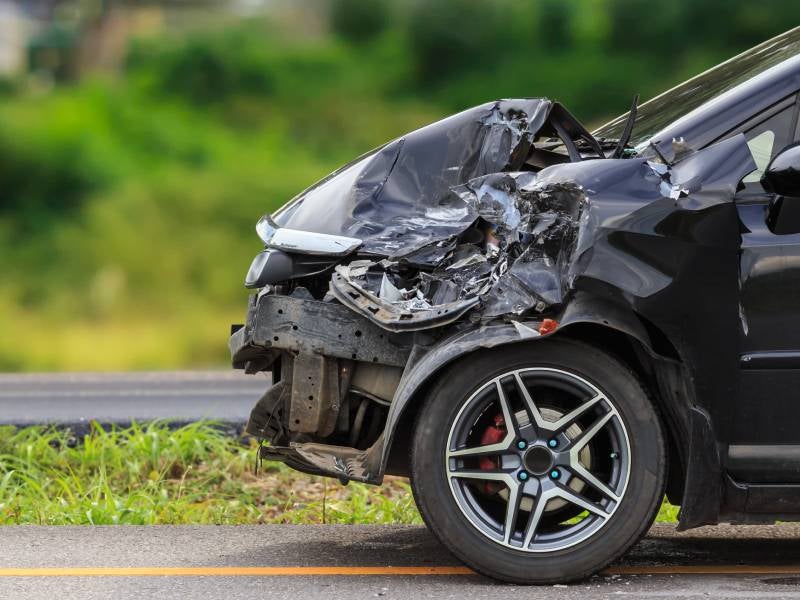
catalytic converter

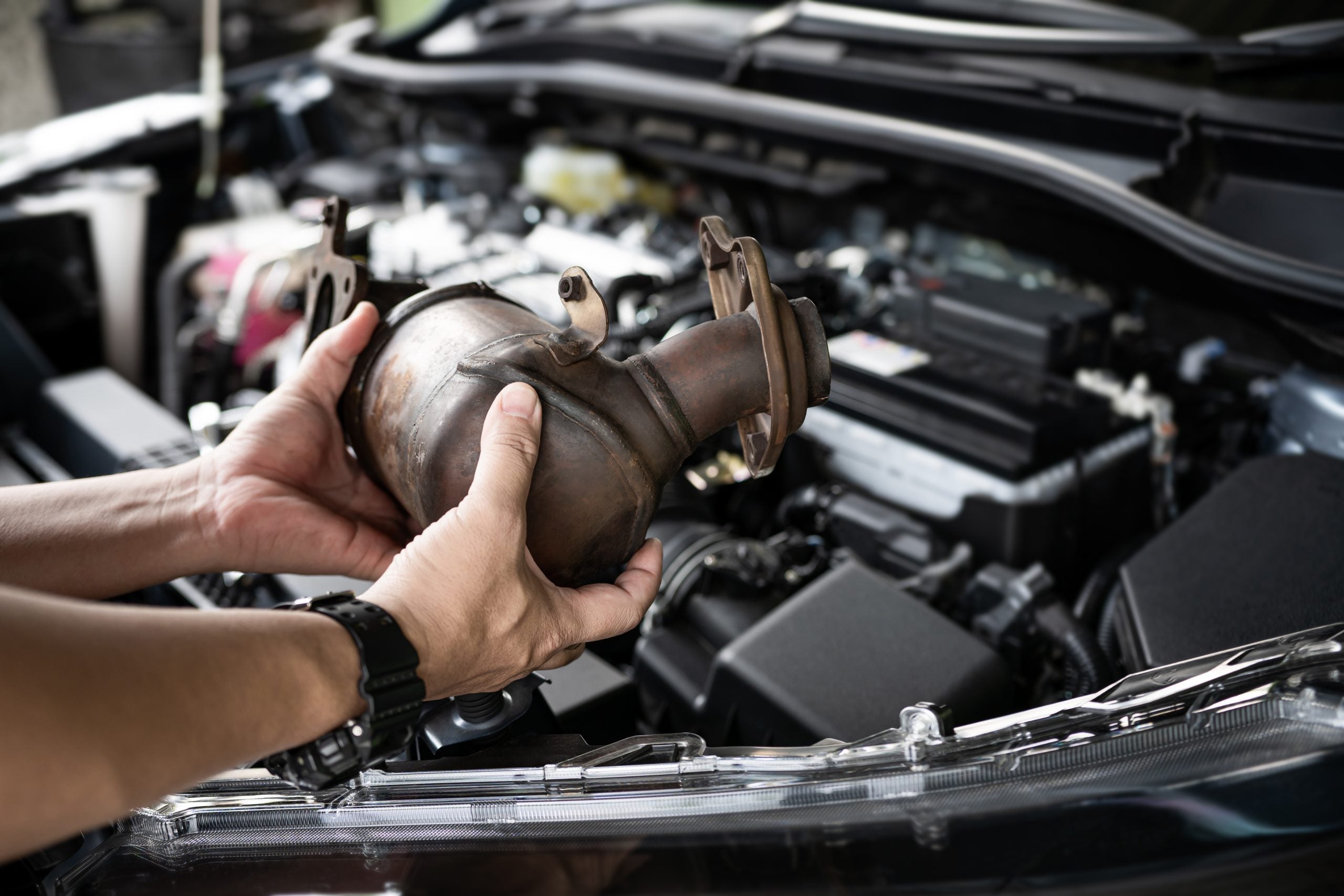
Catalytic Converter Theft 101: The Art of Prevention

Your vehicle’s catalytic converter has one purpose: to control the amount of pollution you emit. To do that, catalytic converters are crafted with several precious metals – this includes palladium, rhodium, platinum and sometimes even gold – that act as pollution filters or scrubbers. Therein lies the dilemma. While these precious metals are vital to reduce your carbon emissions, they’re also extremely expensive. For instance, as of January 2022, rhodium fetches over $15,000 per ounce. Each catalytic converter has approximately 1 gram of rhodium inside it, which equates to a market value of over $500. Thieves have taken note. Catalytic converter theft has increased by about 400% nationwide since the start of 2020 – and there’s no end in sight, even as lawmakers are enacting laws across the country to deter crooks from stealing catalytic converters. Worst of all, catalytic converter thieves can do their work in as little as 60 seconds. If you’re worried about your catalytic converter being stolen, prevention may be your only recourse. Most Stolen Catalytic Converters While any vehicle can be targeted by thieves, it appears that certain vehicle types and models are most susceptible to catalytic converter theft. Due to their ground clearance – the more ground clearance, the easier it is for crooks to slide under the vehicle – pickup trucks and large SUVs are the most likely candidates. Hybrid cars are even higher on the list. Because they’re built to emit less pollution, hybrid exhaust control systems, like Prius catalytic converters, have more and maintain their precious metals longer than standard car catalytic converters. That makes them more valuable when sold to a scrapyard. (Selling stolen catalytic converters can fetch as much as $700 each, while the price for a replacement catalytic converter can easily be over $2000.) The easiest catalytic converters to steal, or at least the most stolen catalytic converters, come from the following newer models and brands: Toyota Prius Toyota Tacoma Toyota Tundra Toyota 4Runner Honda Accord Honda Insight Honda Odyssey Lexus SUVs Ford F-150 If your vehicle appears on the list above, take steps to protect yourself. Here’s how. How to Prevent Your Catalytic Converter from Being Stolen No matter the time of day, thieves will swipe your catalytic converter if they want it. Money is involved – sometimes a lot of money – so you can only take steps to deter them from cutting it out. We recommend the following catalytic converter protection methods: Park Inside a Garage If they can’t see it, they can’t steal it. These soon-to-be felons aren’t ashamed of stealing right from your driveway while you sleep. Park Close to Other Vehicles When parking in public, try to find a spot that makes it difficult for thieves to jack up your car or slide underneath. This may include parking close to other vehicles, preferably smaller cars with low ground clearance, curbs, and other objects. Park Where it’s Visible While it’s true that catalytic converter theft is happening more regularly in daylight, thieves definitely don’t want to deal with extra attention if they can avoid it. When putting your car to rest at night, if you can’t find a secure garage to store it, the next best option is to keep it underneath a streetlight, preferably on a busy or highly visible road. If it’s near an obvious security camera, that can also be a helpful deterrent. Set Up Motion-Sensor Lights If you can’t park in a garage or under bright lights, maybe invest in a cheap driveway motion detector light. This works even better if you have a doorbell camera system set up to record, too. Best of all, if your doorbell camera connects to your home security system, that security company may automatically alert the police. (Speak with them for details.) Install a Catalytic Converter Lock or Cage You can also buy and install a cheap catalytic converter anti-theft device to stave off would-be thieves. Catalytic converter cages or clamps use heavy-duty metal wiring that connects to the frame or engine block in several places. The benefit of a catalytic cage is that they increase the time it takes to cut and remove the component, which inexperienced thieves may want to avoid outright. (Cages for catalytic converters include Catstrap and CatClamp.) You can also get a catalytic converter shield, which is usually fitted for specific models like the Prius, Tacoma and Accord. These are more expensive than cages, but they may provide extra peace of mind. That’s because catalytic converter security shields cover the entire converter and can damage cheap cordless saw blades. (Products include the Cat Shield by MillerCAT.) Do catalytic converter shields work? Although they can be bypassed, thieves will have to spend more time under your car--and that's a deterrent in and of itself. For those with welding experience, DIY catalytic converter locks can work well to stop cat thieves. This is a more affordable option, though it’s wise to seek out a professional auto body specialist if you aren’t comfortable welding something to your frame – especially if doing so would void the car’s warranty! Install a Catalytic Converter Alarm An alarm system specifically for your catalytic converter is an excellent alternative to a catalytic converter shield or cage. They attach straight to the converter and monitor it for vibrations; if it senses someone fiddling around when activated, it will let loose a siren to notify everyone in the neighborhood. Buh-bye thief. (Products include the Procatt Alarm, Fast Guard Alarm, and Cateye.) Etch Your VIN into the Catalytic Converter If you can etch something (like your vehicle’s VIN) onto your catalytic converter, it may deter robbers. This is because thieves will have a more difficult time selling something if it’s clearly been stolen. Scrap yards and shady mechanics will want to avoid fines or even being charged with a felony. The key is to ensure the etching is very visible. Paint Your Catalytic Converter Another option is to lather your entire catalytic converter with a brightly colored, high-temperature spray paint. Thieves may pass on your painted catalytic converter because they’ll need to manually remove the paint in order to sell it. Check Your Auto Insurance If you own a vehicle that thieves are frequently targeting, or if you’re aware of a growing trend of catalytic converter theft in your area, speak with your insurance agent. You may want to switch to a low-deductible plan that covers stolen vehicle components. This won’t stop crooks from sliding under your vehicle, but it will surely help you avoid paying extra for their evil deeds. Catalytic Converter Replacement in Kansas City If you find that your catalytic converter is missing, you’ll want to remedy that right away. Driving with a catalytic converter is possible, though it will be very noisy – perhaps even noisy enough to break an exhaust noise law in your area – and could cause noticeable losses to fuel economy, acceleration and power. Need catalytic converter cage installation near Kansas City? Come to McCarthy for assistance. Request a free estimate from our Kansas City body shops to find out your costs to replace a stolen catalytic converter. Feel free to ask us about installing a catalytic converter plate or security device to prevent future theft, too! We’re here to help you make the best of a bad time.

driving car with tech featured

Is Your Heavy Keychain the Reason Why Your Car Won’t Start?

We know what you’re thinking: “Is this a joke? Can car ignition trouble really be caused by having too many keys on my keychain?” We ain’t lying! Although somewhat rare, a heavy car key chain can really do a number on your vehicle’s ignition. While most of your vehicle is durable, automotive ignitions aren’t built for a bunch of downward pressure. Every time you go over a bump, make a wide turn or hit a pothole, each ounce of metal attached to your keyring feels like a literal ton to your ignition cylinder. Over the course of years, all that extra weight can damage those delicate internal components, like steering lock barrels, that make your car go vroom. It’s not just the cause of car starting problems, either. A heavy keychain for car keys can lead to some very dangerous and unsafe situations that undoubtedly put your life in jeopardy. For instance, if your ignition shifts out of place, your entire set of keys could loosen and fall out – while the vehicle is in motion. “That seems kinda cool...” Sure, you’d have a nifty magic trick to show your coworkers. But there’s one glaringly obvious problem: How do you stop the car? If the ignition is shifted badly enough, reinserting your car keys to turn your vehicle off may become difficult if not impossible. (Guess you’ll just have to wait until the gas tank runs empty.) How Much Weight is Too Much Weight? Unfortunately, scientists have more important things to do than run studies for a “too many keys on keychain” solution. But if your keyring is equal in weight to a Chipotle burrito, you can make an educated guess that it’s probably too heavy. A good solution is to shrink your keychain down to maximum of 5 essential keys. (That way you don’t have to give up that cute car keychain you got for Christmas.) A better solution is to separate your car key from your other keys. (Yay! Two cool car keychains for you!) The best solution is to join us in the 21st century and buy a vehicle with push-button start. (Why make life more difficult than it already is by having more than one keyring?) Any of our Kansas City car dealerships can help you out there. “...I Think I Need a New Ignition Now.” If this lit a lightbulb for you, just be glad that there are solutions. Either make changes to your keychain before you experience problems starting your car, or seek out an auto repair shop near you to replace your ignition cylinder. For the latter, ask your McCarthy Collision Centers for advice. Although we specialize in auto body repair in Kansas City, we have the tools and know-how to fix your broken ignition before it can cause a crash. An ounce of prevention is worth a pound of cure. Contact a McCarthy auto body shop to request a quote, get a free estimate and learn more about our services. We have locations in Overland Park and Olathe, KS, as well as Lee’s Summit, and Blue Springs.

Child Car Seats: Should You Replace Them After a Crash?

It goes without saying: kids are our most precious cargo. Many of you out there have little ones who are still car seat age, but some may be shocked to learn that most children under the age of 10 or 11, depending on size, should be using a child safety seat or booster seat. In the United States alone, this accounts for roughly 50 million kids, many of whom will be injured in a car crash because of improper safety precautions. The need for a child safety apparatus is well known, yet an important debate still remains: when should you replace your child’s car seat? The answers may surprise you. What the Experts Say Citing the National Highway Traffic Safety Administration, this law firm based in Kansas City that specializes in automotive-related incidents states that there may be no need to replace a safety seat after a minor crash. According to the NHTSA, for a crash to be considered minor, the following conditions must ALL be met: The vehicle can be driven away from the scene of the crash, unassisted The door nearest the car seat sustained no structural damage None of the passengers in the vehicle were injured The air bags did not deploy No visible damage is done to the car seat Furthermore, the NHTSA recommends following the car seat manufacturer’s guidelines. It is important to note that the NHTSA has, in the past, recommended replacing a car seat after any collision, regardless of how minor—the organization has revised this recommendation in recent years, in part because of the tendency to buy used car seats, which are much more difficult to evaluate for safety. If in doubt, the age-old adage “Better safe than sorry” is always appropriate. Proper Car Seat Usage Of course, knowing when to replace your little tyke’s safety seat matters very little if you don’t take the proper precautions to protect them in the first place. Parents and caretakers must ensure that all the car seat manufacturer’s instructions are followed, in both the installation of the car seat, and the security of the child. It’s also vitally important to make sure you have the right type of seat for your little one. Missouri and Kansas laws regarding car seats, like most other areas of the country, are quite similar, and boil down to three key factors: age, weight, and height: Infants and toddlers should always be kept in a rear-facing seat. It’s generally regarded as best practice to keep children in a rear-facing seat for as long as possible, until they’ve outgrown them fully. Between the ages of 4-7, most kids are generally ready to move to a forward-facing seat with a safety harness. Children age 8 and above, who weigh less than 80 pounds and are under 4’9”, are usually considered ready for a belt-positioning booster seat in combination with the factory seat belt. Once the child is big enough that the seat belt lies snuggly across the lap and the shoulder belt hits below the neck/face area, additional safety equipment is no longer considered necessary. As it always has been, the back seat is the gold-standard safest option, for kids under 13. Of Course, a Safe Car Doesn’t Hurt! The McCarthy family of auto dealerships near Kansas City has been supplying vehicles that are top-rated for safety features to the good folks of the heartland for decades. As safety innovations from automakers are being updated year after year, your best bet for safety is a new vehicle. Visit any of our car dealerships in the Kansas City area for more information about our fleet of safe and amazing new car options. Remember: Some Things Can’t Be Replaced Here at McCarthy Collision Centers, we’re dedicated to getting your ride looking good, and restoring it to safe, road-worthy condition. We see people on some of their worst days, and we pride ourselves on unbending the fenders and giving your car a new life. Some damage we just can’t fix, but we can offer our clients information and resources to help make sure that the worst never happens. Stay safe, Kansas City!

Man signing car insurance document or lease paper. Writing signa

Should You Buy a Used Car That’s Been in an Accident?

So, you found the perfect used vehicle – a sporty, red convertible with tan leather seats and a manual transmission – that you’ve always wanted. Surprisingly, it’s been on the market for three weeks, yet you’re the lucky soul who gets to bring it home. Hooray! You’ve seen the ads for that CARFAX fox and heard horror stories about buying “lemons” in shady back-alley deals. Falling victim to one of those scams isn’t on your itinerary, thank you very much. You’re not about to make a mistake with your dream car. So, you’ve got some research to do on that convertible. That dream screeches to a halt as big warning signs flash in front of you – there’s an accident on your convertible’s history report! Buying a car that has been in an accident doesn’t seem like a great idea, you think. Then again, you really want to show off to the nosy neighbors across the street. What do you do? Pump your breaks, friend: An accident report doesn’t necessarily mean it’s time to scratch that particular vehicle from your consideration and restart your search. That report should, however, prompt you to look even more closely at that vehicle before making up your mind. Here are a few suggestions to explore as you ponder whether buying a car with an accident history is worthwhile. Severity – Just how bad was the accident? This may seem obvious to some of you, but not every accident is serious. Some minor car crashes needn’t disqualify a vehicle from the running. What major incidents should stop you from buying a used car that was in an accident in Kansas City? Keep an eye open for Airbag Deployments on the history report. Those are generally indicators of more serious accidents and worth an exploration of the details of the incident. While it’s possible for airbags to accidentally deploy, that’s rarely the case. It’s more likely that a pretty good impact occurred and required airbag replacement service. Buying a car with a small accident on CARFAX isn’t as big of a deal. It’s common for fender-benders, which require minimal autobody repair work to show up on a vehicle history report. Those incidents are typically present when insurance companies are involved, so don’t lose hope. Dig deeper. That exclamation mark could only represent some minor touch-up work, like paintless dent repair, performed by a professional. How does it look? A detailed visual inspection is always a great idea before a purchase. It doesn’t matter whether you’re taking delivery of a brand-new vehicle, a couch, a $100 hooded sweatshirt, or a simple bell pepper at the grocery store. Open the driver’s door of your new convertible, grab the hood release lever, and pop that engine bay open. Take a good look around the engine compartment to see if there’s anything out of the ordinary. Check out the bolts that hold the fenders on; those bolts should never come in contact with a wrench under normal circumstances, so the paint around the area should be intact. If it’s not, ask the seller if and why work was done on the fender. Take a good look at the paint across the body panels. Even slight differences in color can indicate a repair that’s been cleverly hidden by a quality car paint shop. You can also check the alignment of the body panels – there are few perfect vehicles on the market but keep an eye open for huge alignment issues that may be caused by pothole damage or a previous accident. Another spot worth checking is under the carpet in the trunk, as that’s a great way to discover rear-end repairs or previous flood damage. Get a flashlight, pull as much of the trunk floor up as you can, and look around for welds or sloppy paint work. You should also look closely for rust or pooled water while you’re exploring the trunk. as it’s not uncommon for leaks to occur after a car accident. Who repaired it? You’ll probably struggle to determine the exact body repair or paint technicians involved in past repairs, but you can start with the company that performed the work. Ask your seller for that information, or check the vehicle history report to see if details are available. Were repairs completed by a dealership tied to the brand of your vehicle, an established auto body shop, or perhaps a friend doing the owner a favor on a Sunday afternoon? A good method to check for shortcuts in the collision repair work is to look closely for mismatched paint or body panels that don’t quite line up. Some attempts at cost cutting also produce vehicles with the wrong badging or even a lack of any badging at all. What does the Title look like? You should always see a vehicle’s Title before making any purchase decision. This will often give you a clear view of the number of previous owners, as well as if it’s a Salvage or Rebuilt title. A Salvage title is a flashing “Stay Away” sign for many vehicle shoppers and essentially means the vehicle has been deemed a “Total Loss” by an insurance company. The insurer, who evaluates how accidents affect car prices, determined the repair cost would be more than the vehicle’s market value, which is a great warning for anyone unwilling or unable to perform extensive repairs on their own. A Rebuilt title is similar in nature except it applies to a Salvaged vehicle that has been repaired. You’ll want to think long and hard before purchasing a vehicle with a Rebuilt title. What does your mechanic say? Many of you have a trusted mechanic who’s known your family for years. We’re all for getting a second opinion from them when it comes to buying a pre-owned vehicle with an accident on CARFAX. Go ahead and have your convertible put on a lift and ask your mechanic to take a good look around. Are there any parts that are obviously much newer than the surrounding equipment? What about sloppy welds or rust? A peek under the body of a vehicle is a great idea, and you’ll appreciate an experienced eye helping you out. Get an Inspection at McCarthy Collision Centers Need help assessing a potential vehicle to buy? Serving all of Kansas City and beyond, our auto body collision centers are here to assist. Contact your nearest McCarthy Collision Centers location to schedule a pre-purchase inspection or ask about any of our other services.

2021 Deer Season Safety Tips & FAQs for Drivers

With the approach of fall, deer rutting (mating) season will soon be getting into full swing in Kansas and Missouri. According to Outdoorlife.com, the estimated population of whitetail deer in Kansas is around 685,000 statewide, with approximately 53,000 mule deer predominately in the western part of the state. In Missouri, there are approximately 1.5 million deer statewide, with whitetail being the predominant species. In other words, that’s a lot of deer to contend with here in the greater Kansas City area. And, as rutting season heats up, the chance of hitting a deer who is crossing a road or highway increases dramatically. According to the Kansas Dept. of Transportation, there were more than 10,700 deer-related car accidents in 2018. The agency notes that eight people were killed and 556 people injured in deer-related car accidents in 2019. Attention Kansas City Drivers: Deer season is here! According to the experts, deer are most active in the morning and at dusk. Deer mating season continues to accelerate throughout October, November, and December. This means that more and more deer are on the move during these fall and winter months. Here are expert tips from State Farm Insurance on how to avoid hitting deer or other animals: Slow down! Reducing your speed, especially at dusk and dawn, gives you more time to react if you encounter a deer on the road. Buckle up! Not only is this the law, but it’s also common sense. If you hit a deer without a seatbelt on, you’re increasing your chance of serious injury. Heed deer-crossing warning signs! Deer-crossing warning signs are often placed where there have been reports of known accidents involving deer. These signs indicate that there may be increased deer activity in the area and, therefore, the potential for deer crossing the road or highway is increased. Nevertheless, you should still drive defensively through rural or wooded areas regardless of whether there are any visible deer-crossing signs. Use your high beams! Give yourself the best chance of spotting deer in the road by using your car’s high beams. Be sure to dim your high beams when you see oncoming traffic. Don’t be a distracted driver! Anything that takes your eyes off the road, like changing a radio station or even grabbing a sip of soda, can result in you not seeing a deer darting out in front of you. The more vigilant and focused you are behind the wheel, the better chance you have at avoiding a costly deer collision. Avoid swerving to miss hitting a deer! While this advice might sound counter-intuitive, swerving abruptly to avoid hitting a deer could cause you to lose control of your vehicle, resulting in a more serious accident. Apply the brakes but be prepared to hit the deer rather than swerving into traffic or hitting a tree. “Deer Whistles” and other gimmicks don’t work! It’s easy to be misled into thinking that gimmicks such as deer whistles will help alert deer to your car’s presence. Recent deer-whistle scientific studies demonstrate that both air-activated and electronic deer whistle devices are ineffective. Deer Season Safety FAQS I hit a deer. Now what? According to the Kansas Highway Patrol, this is what to do when you hit a deer: If possible, pull over to the side of the road so as not to obstruct traffic. Call 911 and report the accident. Stay inside your vehicle and wait for help to arrive. Do not try to move the deer. When first-responders arrive, they will take care of the animal. Do I need to file a police report if I hit a deer? Yes! Filing a police report will be important when filing an insurance claim. You should also document the incident by taking pictures. If there are witnesses, get their information when it’s safe to do so. Does my insurance cover my hitting a deer? That depends on your auto insurance coverage. According to Progressive Insurance, if you have additional comprehensive insurance on your policy, you’ll usually have to pay a deductible for vehicle repairs. Progressive also notes that any injuries sustained should be covered by your medical payments or personal injury protection coverage. Check your policy or contact your insurance agent for more detailed information. Will hitting a deer increase my auto insurance premiums? That depends on where you live. The State of Kansas and the State of Missouri require motorists to carry $25,000 in bodily injury liability, $50,000 per accident bodily injury, and $25,000 in property damage coverage. Kansas also requires additional Personal-injury-protection (PIP or no-fault) coverage, while Missouri requires uninsured motorist coverage as well. Contact your auto insurance company for more information. What collision-repair options do I have in Kansas City? Unfortunately, hitting a deer with your car can cause significant vehicle damage. But don’t worry. With five convenient McCarthy Collision Center locations throughout the greater Kansas City area, you have plenty of options to obtain top-quality auto repair. Here are but a few reasons why you should choose McCarthy Collison Centers for the best auto-body car repair in Kansas City: Certified Auto Body Repair Specialists – Our team of autobody repair specialists are both certified and have years of experience. We are proud that our technicians are also I-CAR Gold Class® certified, which is the highest level of training certification in the auto-repair industry. The Most Advanced Auto-Body Repair Equipment – At McCarthy Collision Centers, we used the latest auto-repair technology to ensure that your vehicle is repaired quickly and properly. Authentic OEM Parts – We only use genuine original auto parts from the manufacturer to ensure that your car is repaired to the highest standards. Free Auto-Body Repair Estimates – Unlike the other guys, you’ll never have to pay for an auto body repair estimate when you take your car to a McCarthy Collision Center. 24/7 Emergency Towing – If your car isn’t drivable, we offer 24-hour emergency towing in Kansas City, for your convenience. We Work with All Insurance Companies – Let us take the headache out of dealing with your insurance company. We handle all the insurance paperwork for you, and we work with all car insurance providers. How do I contact a McCarthy Collison Center? If you’ve hit a deer or have been in any other kind of auto accident in Kansas City, just call 1-800-NEW-AGAIN or visit your nearest McCarthy Auto Body Shops. You can even submit a free online car repair estimate from the convenience of your home or office.

The Ultimate Guide to Potholes in Kansas City

Insurance claims spike each winter, and a large reason for that increase is because of potholes. With more than 500,000 pothole-related claims filed every year, it’s not surprising that so many drivers loathe the season — it’s cold, the sun barely shines, and the roads are unkind to wheels, hubcaps and tires. Let your seething anger subside, friend! There are a few ways to mitigate or altogether prevent pothole damage from landing your car in one of our body shops near Kansas City. Follow along with this helpful guide and FAQ into the wonderful world of Potholeville. What are Potholes, Exactly? Potholes, as you know, are holes in the road. They can range from small to enormous, but most are formed during the cold months. The reason they are the bane of our existence is that nasty freeze-thaw cycle. As the temperatures rise during the day, ice and snow melt and that water then finds its way into the small cracks and crevices in the road. When the temperature drops (usually at night), that water freezes and expands. With nowhere to go, the newly formed ice pushes the pavement up, damaging it further. As plows and vehicles drive over these damaged portions, potholes are born. What Type of Damage Can Potholes Cause? Joggers might get a sprained ankle if they hit a pothole. But we’re sure you were asking for your car, right? Potholes can cause a number of car-related issues, including: Flat tires (and general tire damage) Lost hubcaps Misalignment of wheels Snapped or bent axles Damaged suspensions Broken mufflers Undercarriage damage What are the Signs of Pothole Damage? Unless you’re unlucky, striking one pothole won’t result in damage. However, the more potholes you hit, the more likely your car will feel their ill-effects. Here are a few signs that your car might be the victim of a multiple-potholicide. The vehicle pulls right or left, unassisted (alignment issue) Constant low tire pressure Bulging tire walls Dented wheel rims and hubcaps Excessive bouncing and cabin movement (suspension issue) Uneven tire tread Odd noises when traveling over bumps or other potholes When in doubt, ask your mechanic or one of our Kansas City collision repair technicians to perform a wheel alignment and check for damage. How Can I Avoid Potholes? Kansas City is littered with potholes—in fact, KC is one of the most pothole-infested cities in America! —so avoiding them might be difficult. Here are some tactics to enlist as you take on those Swiss-cheese roads this winter. Always use caution when approaching standing snow, ice, or water puddles, as they may be hiding a secret pothole. Watch the traffic in front of you. If vehicles are making strange turns or slowing down, it might indicate that road damage is incoming. Slow down when traveling on poorly kept roads. Keep your tires inflated to the manufacturer’s recommended PSI. When an underinflated tire meets a pothole, bad things can happen. Perform alignments more often during the winter months. Be prepared by having your hands on the steering wheel at all times (loss of control is a possibility after hitting a hole). Always inspect your tires before driving to ensure they’re not flat or obviously defective. But the best way to avoid those pesky potholes is to get them repaired. Who Do I Contact for Pothole Repairs? If you live in the Kansas City areas of Missouri and Kansas, you can use the following contact information to report road damage: Kansas City, Missouri – Call MoDOT’s 24-7 service center at 888-275-6636 or file a report online at modot.org. Kansas City, Kansas – Call the City Hall at 913-573-5500 and request more information about reporting a pothole to be patched. As always, if you need assistance with auto body damage caused by a pothole or collision, visit one of our body shops near Kansas City. We offer free estimates and will work with nearly any insurance company. Call 800-NEW-AGAIN or visit one of our Kansas City collision repair centers today. McCarthy Collision Centers provide auto body repairs in Blue Springs, and Lee’s Summit, as well as the Kansas towns of Olathe and Overland Park.

What to do if You Get in a Car Wreck During a Road Trip

Whether you get into a car accident near your Kansas City home or halfway across the country, the stress can seem unbearable. However, being in a car accident during a road trip throws new wrenches into the machine called “your family vacation.” Finding yourself stranded in a strange town, bruised and achy, and without a vehicle? Talk about a stressful situation! Breathe deep, young Padawan—you’ll get past the ordeal by following our "Tow or No?" guide, as well as the sage advice below. 1. Get a Police Report A common practice when you get into a car crash near home, acquiring a police report is even more important when you get into a collision on vacation. A detailed report of the scene could prove to be a vital piece of evidence if you ever go to court or seek payment from the other driver’s insurance company. Once an officer has been sent to the accident scene, don’t admit fault or blame, and be sure to ask questions as to their processes and analyses. If something seems peculiar or you feel as though you’re not being treated respectfully, record all interactions with your handy smartphone. 2. Check State Insurance Laws States define their own laws regarding auto insurance. For instance, Kansas is a no-fault state, which means that your own insurance will pay for damages to you and your vehicle after a crash. Cross the Kansas City line into Missouri, and you’re in an at-fault state, which means that the driver responsible for the car crash must pay, usually via their insurance carrier. This can drastically change the way in which you speak to your insurance company and file a claim. Check the state’s insurance laws at www.dmv.org before contacting your agent. 3. Call Your Insurance Company While most of us have love-hate relationships with our auto insurance companies, in situations such as these, the claims agents are on your side. Oftentimes, when an accident occurs away from your home, car insurance adjusters will seek to expedite claims, helping to alleviate some of your anxieties. Your insurance company can also connect you with a contracted collision repair center near the crash. Because insurance won’t typically pay for a vehicle to be towed back to your hometown auto body shop, using a local body repair center is the best and easiest option. In addition to simplicity, having an insurance-approved collision center work on your car ensures your repairs are under warranty; should any issues occur down the line, you are likely covered. Always check with your insurance agent for more details about collision repair warranties and your policy in general. (And if you need car accident repairs in Kansas City, tell your agent that your vehicle is in the capable hands of our McCarthy Collision Centers.) 4. Deal with a Totaled Car on Vacation If the accident is severe enough, your car may be towed to a salvage yard and deemed totaled or unsalvageable. Bummer. In order to receive an insurance payout, you’ll want to make arrangements to stick around and sign away the title. Left too long at the junkyard, your vehicle may accrue “storage” charges that must be paid out of your pocket. Though, if you’ve been hospitalized, insurance companies will usually refund or pay these fees altogether. Before handing over the title, you’ll need to go through all your belongings—this is where most people begin to panic—and find a way to store everything. If you have a rental car, you’ve got a rental trunk. ‘Nuff said. Otherwise, pack boxes and ship everything home via USPS, UPS, FedEx, or another service. Don’t leave anything to chance—most states have no laws requiring salvage yards, tow companies, or insurers to properly dispose of any personal information found. Rather not leave your beloved car in a junkyard? You have the right to take it home, busted grille and all. The logistics can get messy if you go this route, but there are several creative options at your disposal: Rent a U-Haul and tow it home on a trailer. Hire a car transporter like uShip. Buy a cheap used truck to tow it, then sell the truck to a used car dealer back home. Put out a Craigslist ad to request a tow, with payment made on delivery. Invent a teleportation pod and zap it into your garage. 5. Hire a Local Lawyer Since insurance and traffic laws vary by state, you should consider hiring a lawyer within the state in which you had the accident. Their familiarity with the state laws makes them more capable of handling your case if it ever progresses that far. Of course, you have the right to choose a lawyer from your home state, or no lawyer at all - though this isn’t recommended. 6. Cut Your Vacation Short While it isn’t the ideal scenario, ending your road trip early might be best. If that’s the case, be sure to track all your expenses, including costs paid for flights, buses, taxis, and rental cars. You’ll want to have receipts to have a chance of getting reimbursed by insurance. Quality Kansas City Auto Body Repair is a Phone Call Away Dealing with a car accident during your road trip was not on the agenda. With some quick thinking and support from your insurance company, you’ll hopefully be able to continue your adventure with relative ease. For quality collision repair near Kansas City, dial 1-800-NEW-AGAIN to get your car towed to one of our auto body shops. With 5 locations throughout the Kansas and Missouri areas of Kansas City, our McCarthy Collision Centers are here to help by offering free estimates, unbeatable prices, and the best customer service you could ask for.

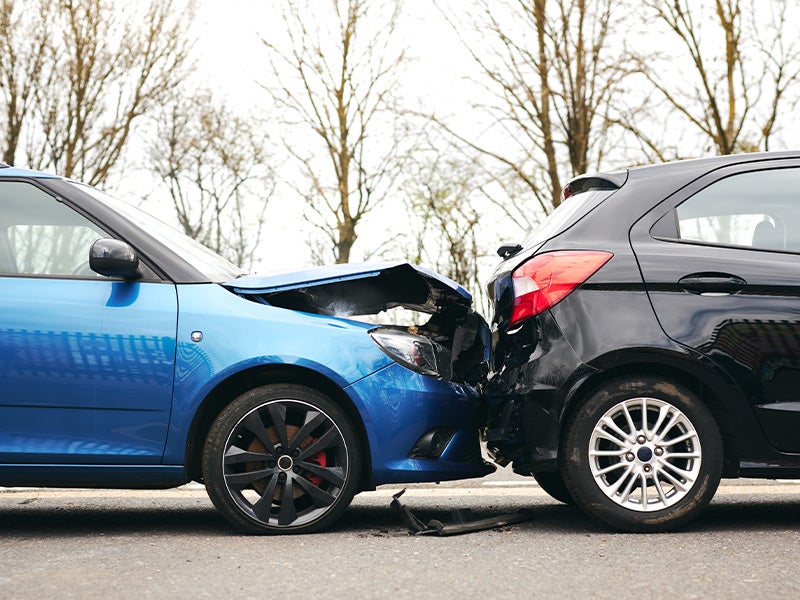
fender bender

Why Simple Fender-Benders Could Cost You Thousands in Repairs

When is the last time you thought about your car’s front and rear bumpers? We’re guessing maybe never. If you did, you may be thinking: “Hey, bumpers will protect my car from getting seriously damaged if I get into a simple fender-bender, right? No biggie. Probably just a couple hundred bucks’ worth of damage.” Sorry. Wrong answer. Rather than the sturdy and virtually indestructible pieces of automotive hardware you might think they are, bumpers may not protect your car from costly damage, even if the fender-bender is at 10 mph or less. Let’s find out why. Regulatory Gap Causes Bumper-Height Mismatch The federal government mandates that all passenger cars have a bumper height between 16 and 20 inches above the road surface and be able to withstand a 2.5 mph impact without damage to lights or other safety equipment. The idea is that if two vehicles with similar bumper heights strike one another at low speed, their bumpers should help to absorb the impact to lessen the damage. But there are no such federal guidelines for SUV bumper height. That’s because SUVs were originally designed to be off-road vehicles, exempting them from federal bumper-height standards. With the soaring popularity of SUVs, the chance of collisions between SUVs and passenger cars has dramatically increased. This bumper-height regulatory gap also applies to trucks and minivans, which are also exempt from federal oversight in this area. IIHS Crash Tests Demonstrate Damage The Insurance Institute for Highway Safety (IIHS) regularly conducts crash tests on passenger cars and SUVs. By crashing cars and SUVs into one another in a controlled test environment, IIHS researchers determined how mismatched car and SUV bumper heights can cause significant damage in the thousands of dollars. Several years ago, the IIHS selected seven pairs of SUVs and passenger cars from the same manufacturers to demonstrate that, even when manufacturers have control over bumper heights on their own models, the damage resulting from mismatched bumper heights is considerable. The testers paired up sets of cars and SUVs from each manufacturer and crashed them into one another at a speed of 10 mph. They would first crash the SUV into the rear of a stationary car and then reverse the process by crashing a car into the rear-end of a stationary SUV. What they found was this: Like two mismatched prizefighters, when a car’s lower bumper impacts an SUV’s higher bumper or vice-versa, the SUVs bumper will “KO” the car’s bumper, causing extensive damage to hoods, cooling systems, headlights, taillights, bumper, fascia, and more. In many cases, the car’s lower bumper height will let the SUVs higher bumper ride over the top of the car’s bumper, exacting extensive damage as a result. But don’t think that because SUVs are bigger and have higher bumpers that they have lesser damage or escape unscathed. That’s because when car and SUV bumpers don’t line up properly, they can’t do their job of absorbing the brunt of the impact. Additionally, since there are federal SUV bumper regulations, car manufacturers are free to equip their SUVs with bumpers that flimsy and inadequate. Tests Reveal The Hidden Costs of Fender-Benders These extensive laboratory crash tests on mismatched SUV and passenger-car bumpers revealed the shocking hidden costs of fender-benders. Depending on the make and model, estimated repairs ranged from a low of $850 to a high of $6,015. In one instance, the total cost of estimated repairs to both vehicles was close to $10,000. Average repair costs were in the $1,200 to $4,500 range. In some cases, vehicles were damaged to the point that they were undrivable. Bear in mind that these tests were conducted in 2010, so it’s likely that repair costs have increased significantly since then. “SUVs and cars share the road,” explains IIHS Chief Administrative Officer Joe Nolan. “The problem is that they don’t share the same bumper rules, and consumers end up paying the price.” (If you want to see just how much “car-nage” these car crash tests can cause, check out our “ 10 Most Insane Car Crash Test Videos” blog here.) Beat The High Cost of Kansas City Fender-Benders As we’ve seen, mismatched car and SUV bumpers can turn a simple fender-bender into an expensive repair job costing thousands of dollars. Unfortunately, there’s no regulatory remedy to this growing car vs SUV bumper-mismatch problem on the horizon. But you can still help beat the high cost of fender-bender repairs near Overland Park, KS by taking your vehicle to one of our five conveniently located McCarthy Collision Centers in the greater Kansas City area. If you’ve unfortunately been involved in a Kansas City car accident and are looking for a reputable auto body shop near Blue Spring, MO, rest assured that the collision-repair pros at McCarthy Collision Centers will get you back on the road again for less. Our skilled and highly trained technicians at our McCarthy auto repair shops in Blue Springs, Olathe, Overland Park, and Lee’s Summit use the latest technology to return your vehicle to “like-new” condition. If you’ve been involved in a car accident, we understand how traumatic and disruptive this event can be. That’s why we offer you the peace of mind of our limited lifetime warranty on all repairs. Don’t worry about dealing with insurance because we’ve got you covered. We work with all insurance companies and are a direct repair facility for most insurance companies. We offer insurance claim assistance, free online auto repair estimates, and you can easily schedule a repair appointment online at any of our McCarthy Collision Centers. We also partner with several reputable Kansas City towing services for around-the-clock towing day or night. Beat the high price of fender-bender repairs in Kansas City by contacting your nearest McCarthy Collision Center at 1-800-NEW-AGAIN (800-639-2424). Or visit us online at 800newagain.com.

40+ Wild Yet True Car Crash Statistics in the US (2021)

Getting into a car crash can be the most terrifying experience of your life. Luckily, the odds that you’ll be in a vehicle accident are just 1 in 366 for every 1,000 miles you drive. (Hey, that’s not so bad!) However, as that odometer ticks up, so too do those odds; Esurance reports that about 77% of drivers will get into an auto collision at some point, so you’d really need the luck of the Irish to find yourself in the minority. (Hey, now I’m terrified again!) We feel that knowing the data behind vehicle crashes helps alleviate (some) those fears. So, we’ve gathered the most unusual and incredible car accident statistics for you to hopefully get out of your own head and back on the road with confidence. Some of them are sobering. Some of them are eye-opening. All of them are true. Let’s get started. Just 5% of all car crashes results in a fatality. The incorporation of new car safety features over the last decade has reduced the rate of car crashes by 12% and fatalities by 22%. During the first nine months of the 2020 pandemic, traffic fatalities rose by nearly 5%, but overall travel dropped by 15% and the number of car crashes decreased by an estimated 35%. Nearly 85,000 vehicles illegally pass school buses every year. (Please report these people! Check here for resources and contact information.) Almost 60% of deadly car accidents involve just one vehicle. Having the common cold can reduce your driving reaction times to that of a drunk driver (BAC of 0.08%). An estimated 20% of drivers report to putting on makeup, grooming their hair and/or shaving while driving. Conservative estimates note that annual police-reported DUIs represent just 1% of the over 110 million self-reported drunk drivers who were never arrested. The economic costs associated with automobile crashes in the U.S. is estimated to be somewhere between $300-400 billion. About 50% of all fatal car crashes occurred in rural areas. There are over 6 million car crashes per year, or about 16,500 collisions per day, in the U.S. Over 90 people die in automobile accidents each day, resulting in nearly 40,000 deaths per year. Each year, 2 million people are permanently injured or disabled due to vehicle crashes. California and Texas see the most fatal car crashes, at 3,200 and 3,300 per year, respectively; Vermont and D.C. see the fewest, at 60 and 30, respectively. (Missouri and Kansas sit near the middle, with 900 and 700 fatal vehicle collisions per year, respectively.) Weekends are the most dangerous times to drive. Driving 10 mph over the speed limit increases crash risk by 10%, but driving 10 mph under the speed limit increases crash risk by 15%. Almost 60% of pickup truck drivers who are killed in crashes do not wear seat belts. There is strong evidence to suggest that shorter and lighter-weight drivers are more likely to sustain crash-related injuries. Approximately 15,000 car accidents and 7,500 related fatalities per year are caused by “drowsy driving” or a driver who’s fallen asleep at the wheel. One out of five car accidents are caused by cell phone use/texting. You’re 23 times more likely to get in a crash when you drive while handling a mobile device. Speeding accounts for over 10,000 fatalities per year, or 30% of all traffic-related deaths. The most common locations for a minor car accident are parking lots and at stop signs. The most common locations for a major car accident are rural highways and busy intersections. U.S. fatal car accidents on highways are 3.5 times higher than in the UK. Child safety seats save over 300 lives per year. ( Read more about Kansas’s child safety seat laws.) About 10 million annual car crashes are never reported. Driving while intoxicated is the most dangerous thing you can do behind the wheel, as you’re 36 times more likely to get in a crash. Did you know that drunk driving accounts for approximately one car-crash death every 48 minutes in America – or 30% of all motor vehicle fatalities? Driving drunk causes about 30 deaths per day and over 11,000 deaths annually – and that’s not even counting the 800 daily and 300,000 annual injuries. If those stats aren’t sobering to you, maybe you can let your personal bank account know that getting a DUI also comes with a possible fine of up to $1,000 in Kansas (or upwards of $10,000 federally) and can increase car insurance premiums by roughly 70%. Got more than one DUI? You’re looking at average insurance premium increases of over $1,000 per month. Yikes. Between the hours of 9 p.m. and 6:00 a.m., nearly 50% of all vehicle-related pedestrian deaths involve someone with a BAC of over 0.08%. About 60% of American drivers will be involved in an alcohol-related car accident at some point. Over 50% of drunk drivers will be between the age of 21 and 34 years old. America’s yearly cost of alcohol-related car accidents – this includes the treatment of injuries, autobody repairs near you, property damage, and fatality services, to name a few – is more than $60 billion. Icy or snowy road conditions account for about 160,000 vehicle crashes each year/winter. ( Read more about how to handle an accident caused by ice.) The average auto liability claim for property damage is over $3,500; for bodily injuries, the claim amount is close to $20,000. Compared to women, men are 300% more likely to die in a drunk-driving related crash.23) The most common cause of fatality by motor vehicle is drunk driving, followed by distracted driving and speeding. US Highway 24, through Jackson County, Missouri, has one of the highest crash rates (19.09) in the Midwest. Getting rear-ended is the most common type of car crash in America (29% of all crashes). In fact, our Kansas City body shops perform more rear-end repairs (e.g. bumper/fender replacements, fixing trunk lids, and correcting bent frames) than virtually any other type of major collision repair service. What’s the deadliest day to drive? You’d think it would be St. Patrick’s Day, but it’s not. The most dangerous day for drivers is August 2, per IIHS data. But if the luck of the Irish isn’t on your side and you do get into a minor fender-bender or car accident with a drunk driver in Kansas City, we might be able to lend a hand. Call us at 800-NEW-AGAIN to request a tow to your nearest McCarthy body shop. We’ll assess the damage for free, help you make an insurance claim, and get you back on the road. And if the car is considered totaled, we’ll help you get the most money out of it. Safe driving!

These 10 Car Maintenance Musts Can Help Avoid Accidents

Here at McCarthy Collision Centers, you preferred choice for auto repair in Kansas City, we want to help you avoid an accident and potential costly repairs to your vehicle. Faulty brakes, tire blowouts, electrical problems, and even engine failure can all lead to a serious accident you could have avoided with proper vehicle maintenance. So our collision specialists here at our Kansas City collision centers put together the following "10 Maintenance Musts" to help ensure that your car is best equipped to help you handle whatever road hazards come your way. 1. Check Your Electrical System A bad battery can leave you stranded, and a faulty electrical system could cause your car to stall or operate incorrectly when driving. Check your battery terminals for corrosion and look for cracks in the wiring. You can also take your car to one of our convenient McCarthy Collision Centers in Kansas City, and we'll inspect your electrical system for you. 2. Inspect Your Car's Wiper Blades Clear visibility is a must for safe driving. Wiper blades wear out over time, so inspect your blades and look for cracks, frays, stiffness, or wear and replace if necessary. And keep your wiper fluid topped off with windshield washer fluid that’s designed to help remove bugs and eliminate streaking. 3. Check Your Tires Rain, ice, snow, and other winter weather conditions make driving more dangerous. Tires are your first line of defense when it comes to avoiding accidents. It's important, therefore, to carefully inspect your tires for any problems that could cause a blowout or make you lose control of your car. Inspect your tires for uneven wear, cracks in the sidewall, or other issues that may require rotation, alignment, or replacement. It's common for tires to lose air pressure when the weather gets colder. So you need to keep your tires properly inflated to manufacturer's recommendations. 4. Service Your All-Wheel Drive If your car comes with all-wheel-drive (AWD), you must regularly maintain it, so it continues to work properly. You don't want it failing on you when you need it the most. Our five McCarthy auto repair shops located throughout Kansas City can perform this important maintenance. 5. Check Your Antifreeze Underperforming antifreeze could make your car's engine have problems when the cold weather hits. This issue could also affect your heater and defroster. Avoid these possibilities by making sure that you are using the correct antifreeze for your car. Look at the plastic reservoir and never take the radiator cap off when the engine is hot to avoid possible injury. 6. Check Hoses And Belts For Wear Rubber gets brittle over time. This fact is especially true in areas like Kansas City where freezing temperatures speed up this process. Look for any signs of wear, such as frayed belts, cracks, or soft spots in hoses. Not only are bad belts and hoses dangerous, but they can cause extensive engine damage if this fail. 7. Regularly Check All Fluids Oil, transmission, power steering, and brake fluids are the lifeblood of your vehicle. Many newer cars have clear or opaque reservoirs for brake and power steering fluid. These make it fairly easy for you to check the fluid levels. If you fill these yourself, use a clean, unopened container to avoid contamination. Dirty oil or low oil and transmission fluid levels can affect how your engine performs and lead to premature wear, resulting in costly repairs. Avoid this by checking your oil at least once a month and follow the recommended oil and transmission fluid change schedule that you’ll find in your car's service manual. Take your car to a reputable Kansas City repair shop, such as one of our five McCarthy auto service centers conveniently located throughout the KC metro area, who can perform these key maintenance items. 8. Check Your Brakes Along with your tires, brakes are vital to vehicle safety. This fact is especially true in wet, icy or snowy weather. Worn brake pads can damage rotors, leading to expensive repairs. Fluid leaks and other problems could lead to catastrophic brake failure and a potentially deadly accident. 9. Replace The Air Filter A dirty air filter robs your engine of performance and leads to poor gas mileage. Make sure you have the power you need when you need it. Air filters are pretty easy to change yourself. However, if you would rather have the pros do it, please take your car to one of our five McCarthy Auto Group dealerships here in Kansas City. 10. Keep Your Lights In Good Working Order Headlights, taillights, and turn signals are also critical to avoiding accidents. Burnt-out bulbs, misaligned headlights, and malfunctioning brake lights are a recipe for trouble; especially when bad weather obscures visibility. Do a "walk-around" of your vehicle and make sure your lights are in good working order. McCarthy Collision Centers Care About You - And Your Car We want you to stay safe and avoid accidents on our Kansas City roadways. So we hope you will take the time to follow these 10 important vehicle safety maintenance tips. When you maintain your car in good running condition, it will help you avoid a costly and possibly deadly accident. If you, unfortunately, are involved in an accident, it's good to know that you can take your car to one of our certified collision repair facilities in Blue Springs, Olathe, Overland Park, or Lee's Summit. Let our skilled and highly trained technicians use the latest, state-of-the-art technology to return your car to "like new" condition and get you back on the road. We repair all makes and models of vehicles. At all our McCarthy Collision Centers, we offer a limited lifetime warranty on all repairs. We also work with all insurance companies and are a direct repair facility for many insurance carriers. We offer free estimates, insurance claims assistance and make it easy to schedule an appointment online at any one of our locations. For more information, please call 800 NEW AGAIN (800-639-2424). Sources: http://www.artofmanliness.com/2010/11/16/how-to-winterize-your-car/ http://www.carcare.org/2013/09/five-tips-for-fall-car-care-month/

Warning! The Sun Can Destroy Car Paint Without Proper Protection

We know that overexposure to UV rays can be harmful to our skin —peeling sunburns are nothing compared to cancer—but the sun can also cause significant damage to your car’s paint. Oxidized auto paint looks dull, like matte-finished chalk, and opens the window for rust to build up on the sheet metal. Once that happens, your car may never look the same, even with a full coat of new car paint from a certified body shop. As is the case with your skin, prevention is key if you’re going to protect your car paint from the sun. Here are a few expert tips to prevent sun damage from eating away at your vehicle’s luscious exterior. Keep Your Car Parked In The Shade If you can’t park in the garage or a shaded carport 24/7, seek shelter under a tree canopy. (Heck, even a wimpy sapling tree can help protect your car from UV damage by up to 30%.) Your vehicle’s glossy paint may get tree sap and bird droppings on it, but that’s a small price to pay to keep it glossy far into the future. Wax On, Wax Off (& Repeat) Safeguarding your car’s paint from sun damage is a multi-prong approach. First, you prevent (park in shade). Then, you protect (wax). Our collision centers in Kansas City advise you to apply a high-quality car wax at least twice per year, preferably before and after winter. However, waxing your car every season wouldn’t hurt anything but your wallet. Why wax your car to prevent sun damage? A good car wax locks in the natural (and unnatural) oils inside the auto paint, provides a UV barricade, prevents pitting, and protects against other caustic agents, such as road salt, which may harm the car’s exterior. Here’s a useful tip: wax your car in the shade! Direct sunlight, as we’ve already discussed, should be avoided when your vehicle is without a protective film of car wax. (And don’t forget to apply an appropriate film to protect any rubber elements on your car, which can crack and peel due to the sun.) Wash Your Car—A Lot The third prong is continued maintenance (car wash). If you do keep your car parked under trees, the bird number-twos and tree sap should be removed ASAP; if left exposed to direct UV rays and heat for too long, that sap and bird doodoo can actually disintegrate the natural finish of your car’s paint, causing permanent stains. Our Kansas City body shops recommend hand-washing your car, especially during the summer. Use gentle soap and clean water to remove the small particulates that build up on your car’s paint, such as dirt, sand, and bug guts. Always wash with a clean sponge and microfiber cloth, and immediately dry, by hand, in the shade. But in instances where you are frequently parking beneath trees, it may be worth it to invest in a membership at a local car wash. Your time is important, after all. Get A Quote For Sun Damage Restoration By Auto Body Experts If your three-pronged attack to negate the sun’s rays doesn’t work, a trip to your local auto body shop might be a wise decision. For instance, our Kansas City collision repair centers will provide you with a free inspection and an accurate quote to repaint or refinish your car, as well as tips to help prevent sun damage in the future. We even offer complete auto detailing services to rehab cracked dashboards, peeling leather, and sun-stained cloth seats. Find a Kansas City collision center and car body shop near you to get started with your sun damage repairs, or simply call 1-800-NEW-AGAIN to speak with a specialist at one of our McCarthy Collision Centers. Tell that sun who’s really the boss. Sources: https://www.azsunblock.com/how-does-the-sun-damage-car-paint/

Contact Us

Fill out this form below and we'll contact you shortly
*Required Fields