• McCarthy Collision Center

Blog

All Car Tips McCarthy Collision Center News Olathe Dealer Olathe Service
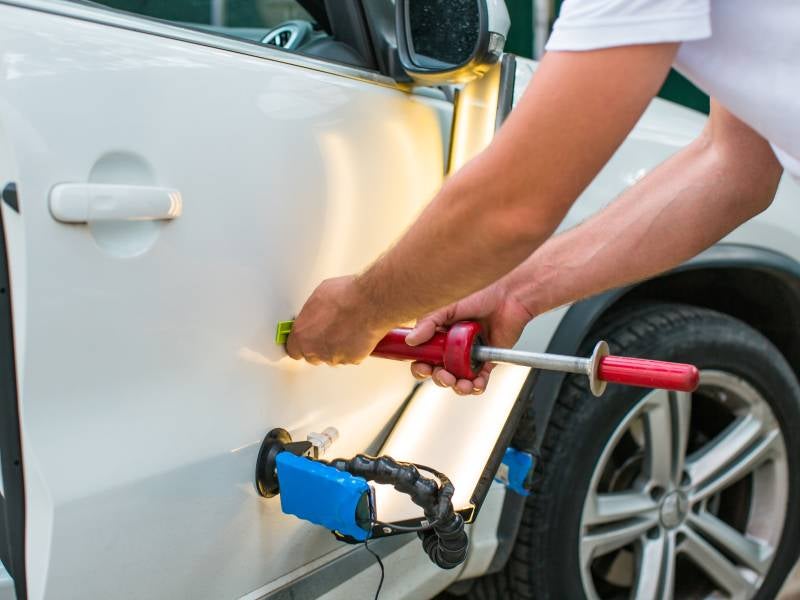
service technician pulling a dent with a tool

Automotive Dent Pullers: Do They Really Work?

As average car repair costs continue to rise—from 2021 to 2023, prices for services like dent repair and general auto maintenance have increased by 18%—lots of vehicle owners have taken a DIY route for auto repairs. You've probably seen the effects of this on the road, too. Duct-taped headlights. Cracked windshields secured by duct tape. Car bumpers held together with duct tape. (Lots of duct tape, basically.) Of course, repairing a vehicle dent with duct tape isn't going to do much. But many people will fork over $20 for a cheap dent removal kit or DIY car scratch remover, in hopes that it'll prevent them from visiting a. While small dents can be fixed in a driveway, not all door dings and bumper bumps can be remedied with a dent plunger. In many instances, that retail car dent removal kit or suction cup plunger isn't going to be your Superman. Before you perform your own minor cars-metic surgery, here's everything you should know about vehicle dent pullers. Dent Pulling: Fact vs. Fiction Did you know that auto body shops have a term for car dents that aren't repaired properly? Many technicians call these "friendly dents," as they appear to have a little wave on the surface. After a dent occurs, these waves become part of the vehicle's now-stretched sheet metal, and the only way to fix them is to use special paintless dent repair tools. Every other method is essentially just lipstick on a pig. Plunger: 50/50 The plunger you find in your bathroom is meant for toilets, not cars. Although it's possible for a plunger to fix a small vehicle dent, it's not a great idea to try. The pressure that is created when you "plunge" can actually do more damage to small dents. In fact, if the dent already shows, that plunger could worsen the problem and hasten oxidation and rust. Never use a plunger to pull out a car dent unless you really don't care about making the dent worse—and if that's the case, why bother at all? You could end up cracking your car's bumper, even. Dry Ice Dent Repair: Fiction Trying to save a buck on automotive dent repair? You may have heard of using dry ice to pull out dents and other imperfections from your car's surface. However, dry ice dent repair is largely a myth that's been overblown. Vehicle panels are stamped and rolled into shape. Once this occurs, those panels are difficult to disfigure without impacts. That is to say, if dry ice and excessive heat aren't able to dent or disfigure sheet metal, dry ice and excessive heat won't be able to revert panels back to their original form or condition. Force begets force, in this instance. Do not try to use dry ice to remove a dent. Handling dry ice is very dangerous—you can instantly lose your fingers or hand if exposed to the gas!—and it won't pop out a dent. If it comes in contact with nonmetal components, such as your seats or dashboard, it could even damage those components permanently. Heat: Fiction The same logic of dry ice applies to heat. Hairdryers or heat guns aren't going to make metal hot enough to pop out dents or reshape panels. You'd need a commercial heating element to make any headway here, and that would be far from cost effective. No, hairdryers aren't likely to help you pull out a car dent on metal. You would require a massive amount of heat to make any metal pliable enough to remold. On plastic, precise heat can make it more pliable and easier to reshape, though applying a large amount of heat can ruin its chemical composition and make it even more prone to damage like cracking. Boiling Water: Fiction Like hairdryers, hot water isn't likely to heat up metal enough for it to be pulled back in place. This may have a minor impact on plastic bumpers, though that will depend on the dent's location, size and thickness. In any case, this has been proven to not be a very reliable car dent removal hack. Compressed Air: Fiction Canned air has many excellent uses—pulling out car dents is not one of them. Keep them around the house to clean your computer cases, fans, HEPA filters and other dusty items; just don't rely on them to fix a car dent. Glue Gun: 50/50 You can technically apply hot glue to a dent, insert a heavy pin and yank it with a dent puller. Once it's been repaired, you can dissolve the hot glue with a heat gun and remove the pin. There is certainly a downside to this dent removal tactic, however. Using this process, you may pull off paint and create "high spots," which are raised areas that almost look like they've been dented from the inside-out. When this occurs, you'll need a dent hammer and other specialized tools to tap it back into place. At this point, you might as well call the professional automotive dent repairers, as this can certainly result in an even worse dent. Paintless Dent Repair: Fact The only verified and safe way to pull a dent out is paintless dent repair (PDR). A dent requires gentle force—not chaotic plunger suctions—and precision in order to be fixed. And while PDR will cost more than any of these so-called DIY dent repairs above, it's certainly not as expensive as you may believe! What Determines the Cost of Car Dent Repairs? Whether your vehicle has a zillion little dents due to hail or one large ding on its bumper after a fender-bender, you may be surprised to know that paintless dent repair is quite affordable, especially considering how quickly it can be performed. The cost of PDR is based on a variety of factors, including: Dent size – PDR works best on smaller dents, though fixing a large dent doesn't necessarily equate to higher costs than several smaller dings Dent location – If the dent is somewhere difficult to reach or that requires removal, prices will increase Vehicle – Paintless dent repair is an affordable way to remove dents, though that will largely depend on the vehicle (make and model) Expertise – It's always recommended to visit a collision center near you that's licensed and certified to perform PDR, even if that means a higher invoice Need a quote on PDR in Kansas City? Contact one of our McCarthy Collision Centers in Olathe, Overland Park, Blue Springs or Lee's Summit to get a free estimate or request an appointment.
close up of a vehicle windshield

Windshield Protection Film: Is It Worth It?

Even the smallest pebble or rock can do a number on your windshield. Kicked up from a tire or flung from the back of a trailer, this debris cracks, chips and even penetrates auto glass as if it were rice paper. Once that happens, you're either looking at professional or DIY windshield chip repair, or complete windshield replacement. What if there were a better way to prevent windshield cracks and pitting from ever happening altogether? Is there a world in which such magic is possible? Allow us to introduce you to windshield glass protectors, the number one way to safeguard your car window from damage. What is Windshield Protection Coating? Like screen protectors built for your tablet or phone, car windshield films coat your glass with an extra layer of insurance from "oopsies." These products—there are many, including popular ones like Xpel, 3M, ClearPlex, DYNOflex and ExoShield, to name a few—are made up of virtually translucent, ultra-durable coats of film that adhere to your vehicle's windscreen. Each manufacturer utilizes its own proprietary blend of materials to produce their windshield films, but they all serve the same purpose: Cushion the impact of and reduce the damage caused by hail, rocks and debris. The big question is: Do they do their job? Car Windshield Protectors: Pros & Cons Advantages For all intents and purposes, auto glass protection film does a remarkable job of reducing or even eliminating windshield cracks due to hail and various types of impact (just watch the video above). In some instances, it can even prevent a windshield from shattering after a collision. Additional benefits of installing a vehicle windshield protector include: Reduces Odds of Needing Replacement As a car owner, your goal is to keep everything as authentic and OEM as possible. Once you start removing and replacing parts, that's when issues arise. A poorly installed windshield, for instance, may result in ruined sealant that will produce excess road and wind noise, as well as the increased risk of shattering. This is what makes windshield protectant film such a great investment. Some manufacturers claim that their products make it 6x less likely for users to experience broken car windows, after proper application. Who wouldn't take 600% better results? Ideal for Expensive Vehicles & Sports Cars Vehicle glass films are excellent options if you own a luxury vehicle with a windshield that has built-in defrosters or other unique features that would otherwise cost thousands to repair or replace. Windshield UV Protection Like standard windshield tint, many films provide a layer of UV filtration. This helps reduce incidences of sun damage on dashboards and upholstery, as well as your own skin. Yay for self-care! Additionally, some products may even make the cabin cooler by reflecting UV. Resistant to Staining Due to their chemistry, these films repel water and moisture very well. That means it is more resistant to things like bird poop, bugs, tree sap and just water staining or etching. Windshield Hail Protection Although films won't save your car's body from hail, it can prevent auto glass damage caused by large hailstones. Disadvantages Of course, as with all good things, there are a few drawbacks to installing these products. Costly Expect to spend anywhere from a few hundred dollars to over a thousand for quality windshield clear film installation. And before you ask if you can do it cheaper at home, we highly recommend skipping DIY products (see below) due to the nature of the installation process. One small mistake will have you wishing to turn back the sands of time... If you have comprehensive auto insurance, it may not even be worth it to install a windshield film— car insurance companies usually pay to replace a cracked windshield. Always check with your insurance agent before paying for any sort of windshield film, repair or replacement. Not a DIY Project! To reiterate, if you need a car windshield protector from rocks and other debris, don't try to buy a kit and apply film in your driveway. The installation process for windshield safety film is simple yet nuanced. Everything must be done perfectly. Measuring and cutting. Cleaning. Squeegeeing. Smoothing. Removing air bubbles. Any number of small errors related to these repair processes could spell disaster. Requires Some Minor Care To ensure its longevity, window protector coatings should be maintained well. You should always: Keep your wiper blades clean and free from debris Only use windshield wipers when it's raining of with washer fluid After any impact, smooth over hard edges of impact zones to reduce peeling Hand wash only and never use a power washer Never apply any harsh chemicals directly on the film coating It's not the end of the world, but if you aren't the type to even keep up on your oil changes, it might be prudent to reconsider installing an expensive windshield tint and protector. Doesn't Last Forever With proper care and maintenance, the best windshield protection coatings will last a few years, while the cheaper products may only work a few months before delamination occurs. Always choose a quality product and make sure to have a certified, experienced installer apply the film. Slight Cloudiness Any time you install auto glass film, whether it's window tint or a front windshield protector, you'll notice a little bit of distortion or experience grainy visibility, even after cleaning the inside of your window. Professional installation is the best way to reduce that distorted effect and prevent other defects like edge peeling, bubbling and interior moisture. Visibility Concerns at Night In addition to distorted appearance, some windscreen film products will produce halo effects around headlights and streetlamps at night, similar to what people with astigmatisms experience. That effect may even be exasperated in wet conditions, as light rays refract through raindrops. Need Windshield Repair or Replacement in Kansas City? Even an ounce of prevention might not keep you safe from a pound of gravel launched from the back of a landscape truck. If your windshield gets cracked or chipped, bring it to the experts at McCarthy Collision Centers. We offer full-service auto glass repair in Kansas City, including complete windshield replacement and hail damage restoration. (Yes, we can also install a good windshield protector film on your car, too!) Contact and get a free quote from a McCarthy auto body shop near you by dialing 1-800-NEW-AGAIN.

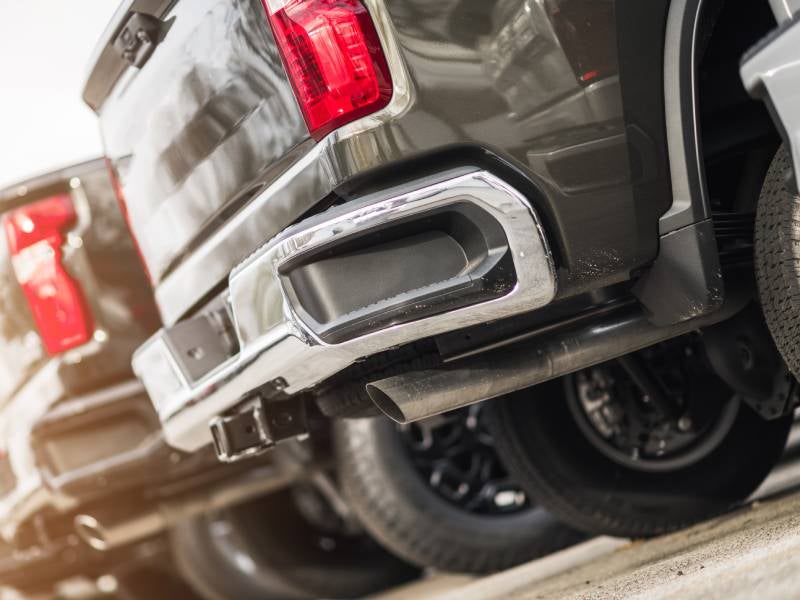
view of a bumper on a pickup truck

Bumper Repair vs. Bumper Replacement: Which Do You Need?

If you've driven your fair share of miles, chances are you've probably experienced some sort of bumper damage on your car. Really, it's pretty much a rite of passage as a vehicle owner. Maybe you got rear-ended in a fender bender, accidentally clipped the garage door, or just curbed it in the gas station parking lot—and now your bumper is trashed. It can range from a minor cosmetic annoyance that buffs right out, to a full-blown insurance claim, and knowing the difference is crucial. So, here's a handy guide to find out whether you need your car bumper repaired or replaced. Car Bumper Basics First, let's look at what a bumper is, and what it does. As the majority of you know already, automotive bumpers are located at the front and rear of the vehicle. In this day and age, most OEM factory bumpers are made of a plastic outer shell, which covers a cushion made of some form of polystyrene, or other similar durable Styrofoam-type material. This cushion is known as a “ crumple zone,” which is designed to collapse in order to take the brunt of the impact force up to a certain point. The bumper is also generally reinforced with aluminum, fiberglass, or plastic, depending on the vehicle. Not all bumpers are created equal—for instance, a larger vehicle's bumper, like a Chevy Silverado bumper, will be sturdier than a car's. The purpose of the bumper is: To protect drivers and passengers in low-speed accidents To reduce injury to pedestrians in the event of a collision To mitigate potential damage to mechanical components To reduce the height discrepancy between vehicles, like cars and trucks To balance and minimize vehicle weight Why aren't bumpers made of something stronger, like steel, which would protect the car better? While it's true that a rigid metal bumper might save you money on car part replacements, studies have shown that built-in crumple zones reduce the impact force on the people inside the car if a wreck occurs. So, while you may be paying to get a plastic, cracked bumper repaired or replaced after a relatively minor accident, at least you won't be paying any doctor bills—or worse. Now that we understand the vital role bumpers play in a fender bender, we can see why it's important that they're kept in good condition. Bumper Repair In many instances, a plastic bumper can be quickly and easily fixed. Repairing any cosmetic damage will help you retain your car's resale or trade-in value, and plastic bumper repairs can be done cheaply enough that you may not even have to report it to insurance, so you can avoid a potential hike in monthly rates. Here are some instances where you'd probably have your bumper repaired: Dings and Dents The plastic used to make bumpers is a lot stronger and thicker than you might think, but it is still plastic, so it's susceptible to denting. The good news is that even sizeable bumper dents can be fixed, as long as the underlying structure isn't badly damaged. Techs at professional bumper repair shops use a combination of heat and suction to warm the plastic or metal and make it more pliable, then reshape it back to its original shape. Just like that, your bumper and the surrounding paneling can be good as new, without even needing a fresh coat of paint. Paintless dent repair, or “PDR” as the cool cats in the industry call it, has numerous benefits compared to old-school methods—it's cheaper, faster, and more environmentally-friendly. Scratches and Scuffs There are plenty of would-be experts online who claim to have the secret home recipe to remove scratches, but in our personal experience, they just don't work well for bumper scratch repair. Scrapes in the paint are among the most common cosmetic issues. You don't even need to bump into anything—they can happen any time, and you may not even notice it until weeks later. Road debris like gravel and asphalt chunks, errant shopping carts at the store, and harsh weather like hail are all major culprits, too. A scratch in the paint isn't just a visual issue. Automotive paint is specially formulated to be much stronger than other kinds. The primer, paint, and clear coat combo provides a protective layer on the body that prevents rust, as even the tiniest speck of rust can become a major headache if left unattended. Having small body and bumper scratches buffed out and repainted is essential to keeping your car healthy. Cracked Bumpers Some people assume that the second a small crack forms on a bumper, it's done for. That's not necessarily the case, though. Plastic bumper crack repair can easily be done at a body shop near you, as long as it's caught early and there's no underlying damage. The process involves professionally sanding the affected area, applying automotive-grade epoxy, and repainting to match the rest of the bumper. This process involves more steps than other forms of bumper repair, so it's a bit more expensive. Still, if you get hit from behind and notice a bumper or fender crack afterward, it's a heck of a lot cheaper than a whole rear bumper replacement job. Fixing cracks and fissures ASAP is absolutely pivotal, because once a hole starts to form, it's only going to get bigger. Left unfixed, a small crack can eventually compromise your bumper's structural integrity, making it unsafe to drive and leading to more expensive solutions. Bumper Replacement In the event of a dust-up with another object, even if it's a minor one, it's possible that your bumper may be damaged beyond repair. Front bumper replacement can be more expensive, but it's necessary in many cases, and it may actually save you money in the long run. Here are a few cases where bumper replacement is likely the way to go. Large Dents and Cracks A sizeable enough crack or crater in your bumper could indicate that the structure has failed. The polymer padding beneath the bumper's plastic outer shell is likely damaged, which means that one of your vehicle's key crumple zones is no longer doing its job. Your wheels, tires, suspension, headlights, and even the engine itself are at a greater risk once bumper damage gets past a certain level. In fact, if the bumper is dashed badly enough, it's usually a good idea to have the entire area inspected, because unseen damage is common. If your auto body specialist confirms that a crack or dent is bad enough, unfortunately, no amount of PDR or epoxy is gonna bring it back—time for a bumper replacement. Big Bumper Paint Damage Touching up a few kerfuffles in the clear coat is one thing, but if the paint is scraped badly enough, you may want to think about replacing the bumper altogether. While it may seem counterintuitive to replace the bumper if the structure is still sound, it's really a case-by-case situation. On one hand, if the paint is ruined across a significant portion of the bumper, you may decide to have the whole thing buffed and painted to avoid the hassle of a bumper transplant. Doing it this way makes sense in some cases; for instance, if you have an older vehicle that's harder to find replacement parts for. A good basic rule of thumb is this: have the paint fixed, as long as the cost of the paint job itself isn't more than the cost of a new bumper. On the other hand, buying a new bumper and having it installed may not be as expensive as you think. It depends on the vehicle and underlying damage, but most sources quote the price of a bumper between $800 to $2,000. So, when factoring in bumper replacement cost, you may find that it's actually cheaper than having the whole thing repainted. When in doubt, stop by your local body shop and ask about a free estimate. Broken Supports Your bumper is held in place on your car by a series of hooks, screws, and fasteners, all of which can become severely weakened from seemingly inconsequential hits. If one or two of them are damaged, it can be hard to see, or even totally hidden unless the bumper is taken apart completely. Once enough of these support structures are broken, they're nearly impossible to fix on their own because of how small they are. So, in rare cases, even if the bumper looks like it's in relatively good shape from the outside, a body technician may still recommend a complete replacement, because there's no point in painting or doing PDR on a bumper that's just gonna fall off every time the wind blows. Car Bumper Repair or Replacement in Kansas City If your ride gets goofed up, there's a fair-to-decent chance you'll be able to assess the damage yourself, but it's always a good idea to bring it to a trusted body shop to get an expert second opinion. From there, you can decide to either get your plastic bumper repaired or start looking into bumper replacement. No matter what the case may be, McCarthy Collision Centers are at your service. Our Kansas City body shops have multiple convenient locations across KC Metro, and our repair process ensures that our customers are kept in-the-know every step of the way. Live in KC and looking for a place near you to fix a bumper? Find your closest location and give us a call at 1-800-NEW-AGAIN

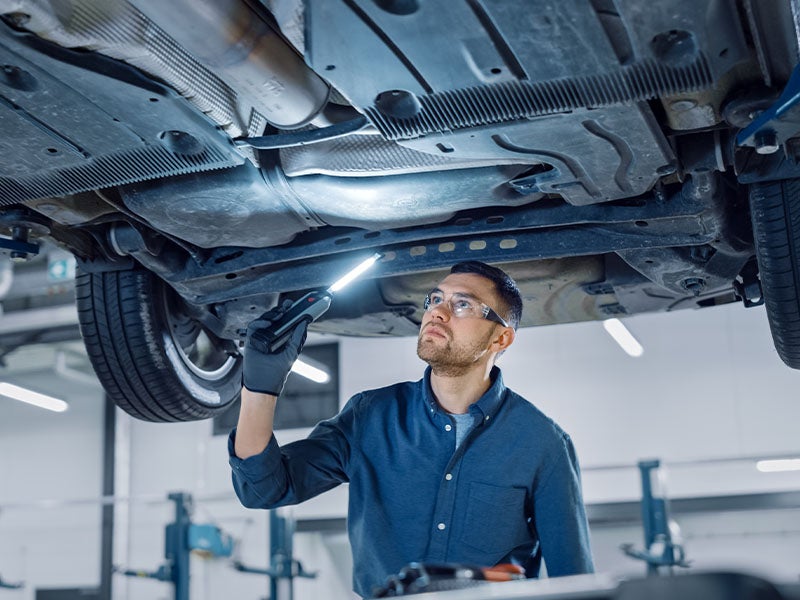
service technician inspecting underneath a vehicle

Ultimate Guide: Car Pre-Purchase Inspections

In the wild world of used car buying, a pre-purchase inspection (PPI) can be the ultimate truth-teller. It's the moment when you find out if that sweet ride is a diamond in the rough or a soon-to-be driveway ornament. In this guide to PPIs, we'll show you how to ace the car inspection process, find a trustworthy mechanic, and make the best decision possible. What is a pre-purchase inspection (PPI)? TL;DR – A pre-purchase inspection is a critical step in the used car buying process. It provides valuable information about the condition of the vehicle, helps you avoid costly repairs, and gives you the confidence to make an informed purchase decision. A PPI is a comprehensive evaluation of a used car by a qualified mechanic or technician before you make the final decision to purchase it. The purpose of this inspection is to identify any hidden problems or potential safety issues that could impact the car's reliability or safety—which save you money. The benefits of a pre-purchase inspection are numerous. First and foremost, it can give you peace of mind knowing that you're buying a car that's safe and reliable. It can also help you avoid costly repairs down the road by identifying potential issues before they become major problems. As a bonus, the inspection results can be used to negotiate a better deal with the seller, especially if any issues are discovered during the inspection. It's important to note that not all pre-purchase inspections are created equal. Some mechanics will cut corners and won't be as comprehensive or objective as others, so it's a good idea to bring your vehicle into a certified service center—preferably one that specializes in the make and model of the car you're interested in. What does a pre-purchase inspection entail? TL;DR – PPIs vary by technician and mechanic, but usually they involve visual exams of the vehicle's major components, a test drive and diagnostics. A vehicle pre-purchase inspection is typically performed by a qualified tech or mechanic. It includes a visual examination of the car's exterior and interior, a test drive, and a more detailed inspection of the car's mechanical systems. The mechanic may use specialized equipment to check for problems with the engine, transmission, brakes, suspension, and other important components. Again, not every technician will follow the same PPI checklist—there's no industry standard set—but the list of items usually includes the following: Exterior: Inspect the car's body and paint for signs of damage, rust, or other issues. Look for large paint scratches that may eventually lead to rust or corrosion. Check the tires and wheels for wear and tear. Interior: Examine the car's seats, dashboard, and other interior components for signs of damage or wear. Test the car's electrical systems, including the air conditioning, radio, and other features. Engine: Perform a detailed inspection of the car's engine, checking for signs of premature wear. Examine the oil, coolant, and other fluids to ensure they're at the correct levels. Transmission: Inspect the car's transmission, checking for any issues with shifting, noise, or fluid levels. Brakes: Test the car's brakes to ensure they're working properly and don't need replacement. Look for signs of brake rotor damage, which could be indicative of poor vehicle maintenance. Suspension: Inspect the car's suspension system, checking for signs of wear or damage that could affect the car's handling or ride comfort. Exhaust system: Examine the car's exhaust system, checking for leaks or other issues that could affect emissions or performance. Look for signs of catalytic converter theft. Electronics: Assess the car's electronic systems, including battery, alternator, and starter. Undercarriage: Inspect the car's undercarriage, looking for signs of rust, corrosion, or other issues that could affect the car's structural integrity. Odometer: Check for signs of mileage rollback fraud, comparing odometer readings to vehicle history reports. Vehicle history: Identify any past problems from its vehicle history report, including any flood damage or salvage titles When should you get a used car inspection? TL;DR - Try to have the inspection done before you agree to purchase the car, but if that's not possible, make sure your offer is contingent on the results of the inspection. Getting a PPI is recommended for any used car purchase, even if the car appears to be in good condition. Getting a mechanic inspection is a wise decision in most situations when you're considering buying a used car. However, there are certain circumstances where it's particularly important to pay for a PPI. For example, if you're considering buying a car from a private seller, it's an excellent idea; private sellers may not be as forthcoming about the car's history or issues as a dealer would be. In this instance, an inspection can help you avoid buying a lemon. Similarly, if you're considering buying a car that's out of warranty or has high mileage, an PPI car inspection can give you a better idea of the vehicle's condition and potential repair costs. In terms of timing, it's best to have a car inspection before buying. This way, if any issues are discovered during the inspection, you can either negotiate with the seller to have the issues fixed or decide not to buy the car altogether. In some cases, it may not be possible to have the inspection done before making an offer on the car. If you're buying a car that's located away in another state, for example, you may need to make an offer before you can have the car inspected. In this case, make sure that your offer is contingent on the results of the inspection. How much does a PPI cost? TL:DR - The cost of a pre-purchase inspection can vary by location, the type of car, and the mechanic or shop. Always request a quote and schedule a time before bringing the vehicle in for your PPI. On average, however, expect a used car vehicle inspection to cost anywhere from $100 to $500. While the cost of paying a mechanic to look at a used car may seem high, it can save you money in the long run by identifying potential issues with the car before you buy it. Keep in mind that the cost of the inspection may be negotiable. If you're buying from a private seller, you may be able to negotiate the cost of the inspection into the final sale price. Additionally, most sellers should accept a lower price if issues are found during the inspection. How to find a pre-purchase inspection near you TL;DR – Look for a professional who has a good reputation in the industry, with a proven track record of performing high-quality inspections. When in doubt, go to a dealership near you. The cost of the inspection should not be the primary factor in choosing a mechanic or shop. Look for a reputable mechanic with experience working on the type of car you're considering buying. A qualified mechanic can provide you with a detailed report of the car's condition, allowing you to make an informed decision about whether or not to buy the car. Don't just pick the first place upon searching "pre purchase inspection near me." Here are some tips to ensure you're picking the best used car inspection service: Certifications: Look for mechanics who are certified by organizations such as the National Institute for Automotive Service Excellence (ASE). Mechanics who are certified have passed rigorous testing and have demonstrated their knowledge and experience in the field. Recommendations: Ask friends, family, and colleagues for recommendations on a reputable mechanic. Personal recommendations can be valuable in finding a mechanic who is trustworthy and reliable. Online reviews: Look for reviews of local mechanics online. Websites such as Yelp and Google reviews can provide insight into the quality of service provided by local mechanics. Local car clubs: Local car clubs are a great resource for finding a mechanic who specializes in the type of car you're interested in. They can provide recommendations for a mechanic who is knowledgeable and experienced with the specific make and model of the car you're considering. Better Business Bureau: The Better Business Bureau (BBB) can provide information on local mechanics and their reputation. You can also check for complaints or issues filed against a mechanic with the BBB. Dealerships: It can sometimes be difficult to trust an independent mechanic to inspect used cars. If this sounds like your situation, you might want to consider getting a PPI performed by a car dealer near you. They may charge a little more, but they'll likely be more thorough. What about mobile used car inspections from businesses like Lemon Squad? While they may be more convenient for both buyer and seller, these PPI services are pretty hit-or-miss in terms of quality, as you can read about here. Buying a used car can be an exciting and budget-friendly way to get behind the wheel of a reliable vehicle. But it can also be a daunting task full of hidden pitfalls and potential headaches. A pre-purchase inspection can be your secret weapon to help you separate the dream cars from the lemons. Godspeed!

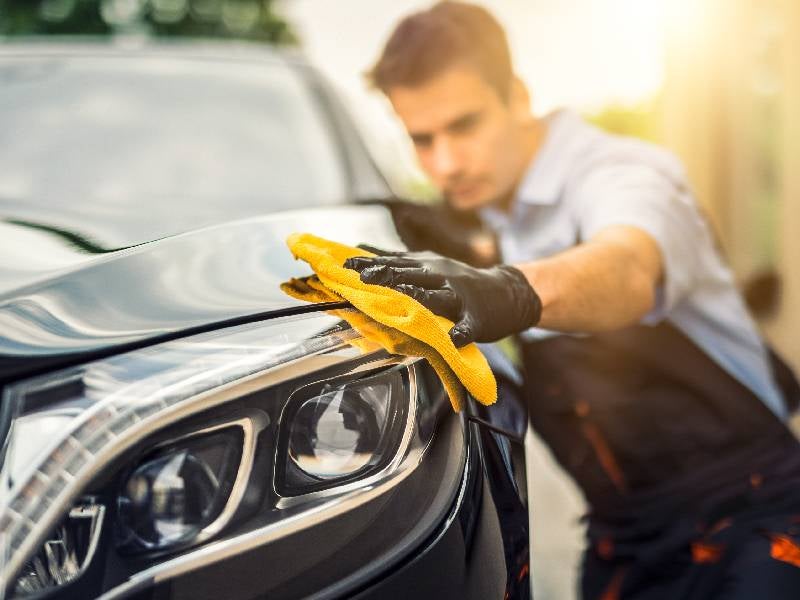
man wiping a clean car

Stop Car Paint from Peeling & Flaking: Expert Tips

There you are, cruising down I-70. Sun's shining. Tunes blaring. Ah! Life is pretty good. Then you see it: A hideous matte blotch on your hood. That chipped paint spot is such an eyesore, in fact, that you consider faking your own death, changing your name to "Sven" and living out the rest of your days in Fiji. That would spare you the embarrassment of friends and family being disgusted by your car. Of course, things aren't that dire, though the state of your vehicle could be better. As fellow auto enthusiasts, we realize how frustrating and disheartening it can be to see peeling, bubbling or flaking car paint. But did you also know that peeling car paint can also lead to more serious problems down the road? Consequences of Ignoring Peeling Car Paint Ignoring peeling or flaking automotive paint can lead to issues like rust and corrosion, which is ultimately structural damage that is not easy (or cheap) to fix. The longer you leave that flaked paint untreated, the more extensive the damage becomes. That's why it's better to bite the bullet and fix chipped paint on your car before the Rust Monster comes knocking. So, what causes paint and clear coat peeling and how can you prevent it before it leads you to play out your own Lifetime movie storyline? Let's go over some of the reasons why your car's paint might peel and what you should do about it. Common Reasons Why Paint Chips Off Cars First things first, let's talk about the basics. Your car's paint serves several important purposes, including protecting the metal body from rust and corrosion, enhancing its appearance, and increasing its resale value. But over time, your car's paint can start to deteriorate for several reasons, including these: Exposure to the Sun While the sun may feel nice on your skin, it's not so kind to your car's paint job. UV rays can cause paint to fade, crack, and peel, especially if your car is regularly exposed to direct sunlight. Over time, the sun's rays can break down the chemical bonds that hold automotive paint together, leading to that unsightly peeling, flaking or bubbling car paint. Prevention Tips: Try to park your car in a garage or under a carport whenever possible. If that's not an option, invest in a good car cover to protect your vehicle's paint from the sun's harmful rays. You can also use a UV protectant spray to help shield your car's paint from the damaging effects of the sun. Read more about how to protect your car from the sun. Ice and Snow While snow and ice might not seem like a significant threat to your car's paint, they can actually cause some serious damage. As snow and ice accumulate on your car, it can cause the paint to expand and contract as it freezes and thaws, leading to cracking and peeling. Additionally, as you remove snow and ice from your car, you may inadvertently scratch or chip the paint, making it more susceptible to peeling. Prevention Tips: Be sure to clear it off your car as soon as possible. Use a soft brush or scraper to avoid damaging the paint. Park in a garage to avoid ice accumulation. Hail Hail can be an absolute nightmare for car owners, not just because of the potential for dents and cracked windshields, but also because it can cause massive paint damage. The impact of hailstones can cause the paint to chip, crack, or even peel. Even small hailstones can be problematic, as they can cause tiny dents or dings that may not be visible at first, but can still lead to paint damage over time. Prevention Tips: Try to park your car in a covered area during hailstorms. Consider investing in a hail cover for your car if you must park outside. Blankets can work to protect from hail, in a pinch. If your car does sustain hail damage, be sure to have it repaired as soon as possible to prevent further damage to the paint. Read our 12 tips to protect your car from hail damage. Bird Droppings Believe it or not, bird droppings can also contribute to paint peeling. Because they are acidic, they can eat away at your car's paint if left untreated. Prevention Tips: Be sure to clean bird poop off your car as soon as possible. Use a microfiber towel and a gentle, pH-neutral cleaner to avoid scratching the paint. Avoid using harsh chemicals or abrasive materials, as these can do more harm than good. Find out other, more in-depth ways to clean bird poop off your vehicle before it leads to peeling or chipped paint. Tree Sap Similarly, tree sap can contribute to automotive paint flaking and peeling. When that tree sap hardens—that happens quickly when exposed to the sun—it becomes almost like an epoxy that strips away your clear coat. To make matters worse, once that sap gets hard, removing it may require sharp, metal tools, which can also scrape your paint off. Prevention Tips: Many of the same tactics used to remove bird poo can also be used to clean tree sap off your car. We have a detailed article about removing dry sap off a vehicle's paint here, as well. Road Salt If you live in an area that experiences harsh winters—we're talking to everyone here, in Kansas City—you're probably familiar with road salt. While road salt can help melt ice and snow on the roads, it can also wreak havoc on your car's paint. Similarly, pollution from factories and power plants can also cause damage to your car's paint. Prevention Tips: Wash your car regularly, especially during the winter months. Use a high-quality car shampoo and a soft sponge or microfiber towel to avoid scratching the paint. You may also want to consider getting your car's paint professionally detailed to remove any buildup that may have occurred. Improper/Infrequent Washing Did you know that washing your car incorrectly can also cause damage to the paint? Using a high-pressure sprayer or an abrasive sponge can scratch the paint, making it more susceptible to peeling. Similarly, using a low-quality car shampoo can strip the protective wax and clear coat from your car's paint, leaving it vulnerable to damage. And those automatic car washes? They're paint-peeling devils—always try to hand-wash your vehicle instead of running through these automatic stations. Prevention Tips: To wash your car properly, start by rinsing it off with a gentle stream of water to remove any loose dirt and debris. Then, use a high-quality car shampoo and a soft sponge or microfiber towel to clean the paint, working in small sections at a time. Rinse off the soap with a gentle stream of water and dry the car with a clean microfiber towel or chamois. Poor-Quality Automotive Paint or Clear Coat Finally, low-quality paint or clear coat can also contribute to paint peeling. If your car was painted with low-quality materials or if the clear coat was not applied properly, the paint may start to peel off sooner than it should. If you suspect that your car's paint is peeling due to low-quality materials, your best bet is to have the paint professionally redone using high-quality materials. This can be an expensive process, but it will ensure that your car looks great and is protected from the elements for years to come. Learn more about other things that can damage your car's paint, such as eggs, pressure washers and Silly String. What to Do if Your Car's Paint is Already Peeling If you notice that your car's paint is already peeling, you may be tempted to tackle the repairs yourself. However, attempting to fix the problem on your own can actually make the issue worse and end up costing you more in the long run. That's why it's important to bring your vehicle to an experienced auto body shop for professional chipped paint repair. Auto body shops have the expertise and tools necessary to properly address paint chipping and fix peeling clear coat damage. They can thoroughly clean the affected area, sand it down to remove any remaining loose paint, and apply a primer and high-quality automotive paint to match the original color of your car. Additionally, auto body shops can apply a clear coat to protect the new paint and ensure a long-lasting finish. To top it off, good auto body shops have access to a wide range of high-quality materials that may not be available to DIY repairers. They can guarantee the use of the best products and techniques for a high-quality and long-lasting repair. Need a quote for automotive paint or car scratch repair in Kansas City? Contact your nearest McCarthy Collision Centers at 800-NEW-AGAIN for assistance. So, there you have it, folks. Clear coat failure and car paint that peels off can be a real pain in the rear bumper, but don't let it get you down. With the right knowledge and approach, you can repair cracking paint and even prevent the problem from creeping up at all.

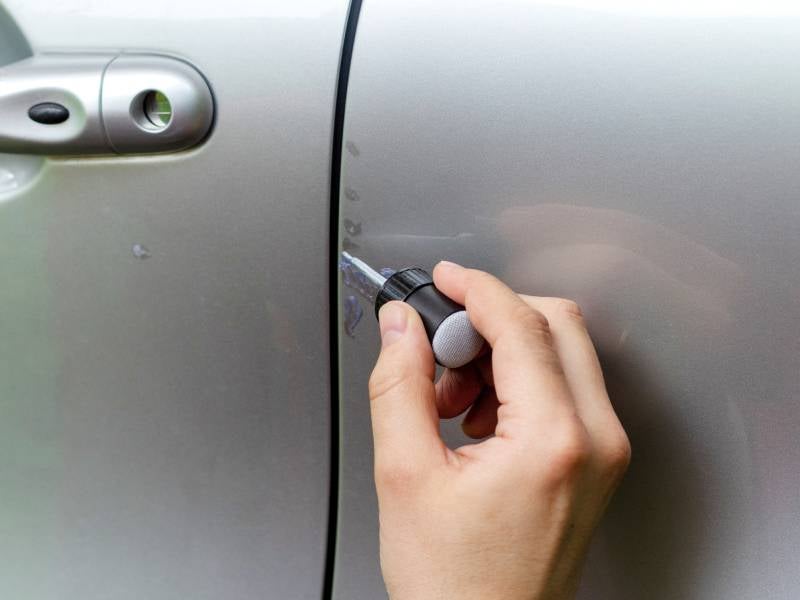
person applying scratch repair kit to a car

DIY Car Scratch Removers: Do They Really Work?

Whether caused by twigs, a gas nozzle or an ex's set of keys, car scratches and scrapes are just inevitabilities. Automotive paint isn't the most durable material on Earth; even sliding a heavy cardboard off the car roof could leave microscopic scratches that may eventually welcome vehicle rust and peeling. Plus, they're eyesores! Gnarly as they may be, car paint scratches and scrapes can be repaired—with the right tools and an expert set of hands. Instead of going to an auto paint or body shop to buff out scratches on their vehicle, many owners will go the "cheap car scratch remover" route to fix up those eyesores. But are products like car scratch remover pens, compounds and blemish kits actually worth it? Pros & Cons of Car Scratch Repair Kits Like DIY windshield chip repair kits, cheap scratch remover products are advertised as economical, fast and convenient fixes to common car-ownership problems—in this case, small scrapes on auto paint, primer and clear coats. How well they work is another story. Let's go over some of the advantages and disadvantages of such products. Advantages Affordable The main benefit of using a DIY car scratch repair kit is that they're economical. Many such products can be purchased for under $30, while a few will go for substantially more. Of course, you must weigh the price of the best scratch remover for cars over the added cost of paying a professional if the results are less than adequate. Only Work on Small Car Paint Scratches In a pinch, they do an admirable job of minimizing the appearance of superficial auto paint scratches and surface swirl marks that haven't dug any deeper than the first layer of paint/primer. However, if your vehicle has a deeper gouge, scuff or scrape that exposes metal, you'll want to bring in the big guns by visiting an automotive body shop, usually. Quick Results Many products can fix scratches on cars within an hour. Others may need extra curing time, though it is usually not significant. Multiple Uses Because they include automotive polish, most car scratch removal kits will help remove water spots and swirl marks, while also polishing dull surfaces. Disadvantages Doesn't Work on Bigger or More Severe Scratches While car paint scratch removers may work on shallow scrapes, they aren't as effective when it comes to buffing deep scratches on cars—which is what most car scratches are. In fact, many of these products come with warnings to that effect. Even so-called deep scratch repair kits may not have the power to take severe scuff marks on cars. How can you tell? Run a finger/fingernail across the scratch. If either the pad of your finger or your fingernail catches in the groove, the scratch may have gone through the clear coat. That scratch, depending on its severity, could require fillers, which is not something you'll want to try at home. Your Car Color Matters Typical automotive paint scratch remover kits oftentimes produce better results on white, black and gray cars. If you own a vehicle that's red, blue or any other non-neutral color, temper your expectations with standard touch-up paint and scratch repair pens. You may have to fork over more money to get a higher-end product—or test various ones until you get a good result. Potentially Reduces Resale Value In some cases, you may simply be unable to find a perfect match. In these instances, a trip to an auto paint shop near you would be the best option. Otherwise, be prepared to have a noticeable "hey, this spot was repaired" area on your vehicle, which may reduce your vehicle's resale value. You Should Be Comfortable with DIY Projects If you aren't a seasoned do-it-yourselfer, you may want to hire a professional from the get-go. Even with a kit, you'll want to have some essential tools on hand and general know-how. Can Cause More Damage Again, anyone who isn't comfortable working with tools or even sanding paper should leave car scratch removal tasks to the professionals. Automotive paint repair products, while affordable and convenient, aren't always simple to use. Improperly following directions can result in even more car scratches and blemishes. This gets even riskier with the high-end products that contain touch-up auto paint or pens; the last thing you want is an even more noticeable splat of off-color paint! Get Your Free Estimate on Auto Scratch Repair Before you spend any money on a cheap car paint scratch repair product, get a free quote on auto painting work at our Kansas City body shops. We'll look at the scuffs, give you an honest assessment of the damage, and provide you with an accurate estimate —which may be lower than you expect! Contact McCarthy Collision Centers at 1-800-NEW-AGAIN to schedule an inspection today. We have collision repair locations throughout the Kansas City area, including Olathe, Blue Springs, Overland Park and Lee's Summit.

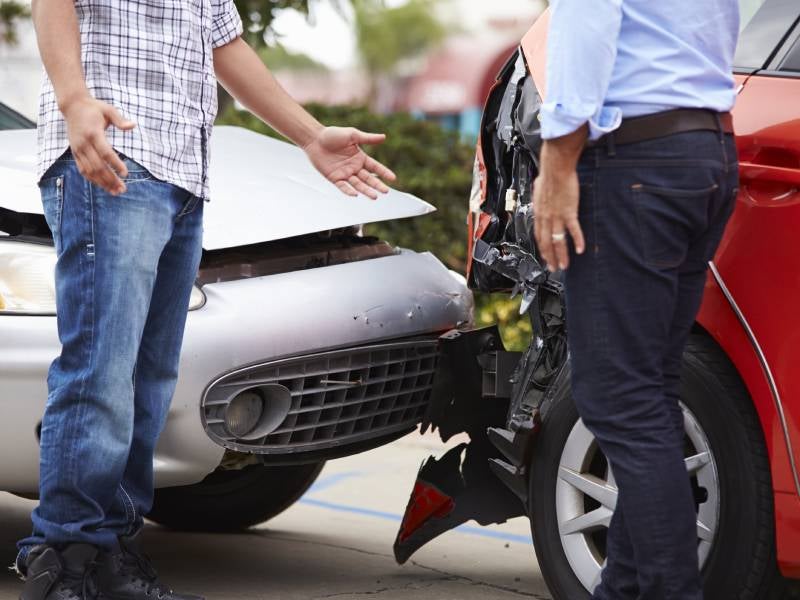
two menu arguing over the damage on their cars after a collision

9 Signs Your Car is a Total Loss After an Accident

Wondering if your car is totaled after a crash? If the cost to fix the damage exceeds the vehicle's actual cash value, or ACV, it very well could be. (As a general rule, insurance companies, utilizing a Total Loss Formula, may refuse to cover autobody repairs that cost more than 50% to 80% of your vehicle's ACV.) But that begs yet another question: When is a car considered totaled? About 25% of all car crashes will result in a total loss, but let's take a look at some of the most common signs your car is totaled after getting into an accident. 1. Fluids Leaking Any damage to a fluid system or tank may result in a salvage claim, though this will depend on the extent of damage and type of fluid affected. A cracked windshield wiper fluid reservoir, for instance, is not as significant as a broken oil pan and pump system. Some of the more essential vehicle fluids include: Antifreeze Brake Coolant Engine or motor oil Power steering Transmission Windshield washer It's important to note that any excessive fluid leak warrants a trip to an auto body shop near you. There's a high probability that multiple reservoirs and systems have been damaged, oftentimes beyond repair. 2. Significant Front-End Damage Getting rear-ended at a stop sign is less likely to result in a total loss; that person who rear-ended you, however, is in for a world of "salvage title" hurt. About 80% of a vehicle's essential components are located in and around the engine compartment. A frontal or head-on collision at a moderate speed of just 30 mph will activate crumple zones (or crush zones), which is when internal damage to engines, steering systems, gearboxes and other components usually occurs. 3. Severely Bent or Damaged Frame Extensive damage to your vehicle's frame is very expensive to repair. If you notice any of these signs of car frame damage after a collision, it's a safe bet that your insurance company will total your vehicle: Visibly bent Cracks on frame components Damaged suspension Metal-on-metal sounds when in motion Tires severely misaligned Bent frames aren't always evident at first glance. Poorly tracking wheels, misaligned tires and replacement parts that don't fit properly can be indicative of a damaged frame, though they could also be caused by less serious problems. You may not know the extent of the damage until it's in the repair shop. 4. The Engine Won't Start A non-working engine is typically a bad sign after a crash. This could mean anything from severe engine damage to a loosened belt, but if there is any visible structural or mechanical damage, it's probably the former. 5. Your View is Obstructed Automotive components that are warped or damaged badly enough to block a driver's view could be a problem. Bent fenders and grilles, hoods that won't close, or any interior part that's found a new home on the outside are due to more severe—and expensive-to-repair—damage. 6. Deployed Airbags Although not always true, a car accident that results in airbag deployment may be too costly for insurers to cover. This is partly because airbag replacement service, and the airbags themselves, can be thousands of dollars, depending on vehicle make and model. Replacing airbags on an older car may be cost prohibitive, especially if there is any body damage to fix, but every auto insurance agency will differ. 7. Fire or Flood Your car isn't totaled until insurance says it is. However, if a collision caused your vehicle to catch fire, it's almost a guarantee that it will be marked as a total loss. If the vehicle was submerged in water, is also safe to say that it will be flood- or water-damaged. 8. Your Car's Old Everything comes down to age. Your vehicle's ACV will be determined by its current, nondamaged resale price. If your car is older—7-10 years is a good cutoff—and has lots of miles on its odometer, it's already seen most of its value depreciated. Any moderate or significant autobody repairs will likely cost too much for insurance to cover. This is one major reason why buying a new or certified pre-owned vehicle is such a good investment. In the event of a collision, the risk of your car being a total loss is lower. Just 2% of new vehicles (4 years or newer) are declared total losses, compared to over 13% of vehicles 8-plus years or older. 9. Determined by Your State's Total Loss Threshold How do adjusters determine if a car is totaled? Each state has their own laws in place for automobile total loss thresholds. Insurers use these laws to identify when a car repair would cost more than paying for a replacement vehicle. In Kansas, the Total Loss Threshold is set at 75%, meaning collision repairs must not cost more than 75% of the vehicle's current fair market value. In Missouri, the Total Loss Threshold is 80%. Other states, like Illinois, allow insurers to calculate amounts follow a total loss formula to identify a vehicle's salvage value, then compare that to the cost of repairs. If the salvage value is lower than the price for autobody work, the vehicle will be a total loss. Want to know what your state's automobile total loss threshold is? Click here. What to do When Your Car is Totaled So, what happens when your car is totaled by insurance? You'll need to go through the necessary steps in order to get your claim settled and back on the road. File your claim Have an adjuster assess the damage Request a tow to and get an estimate from a good auto body shop near you Get a rental vehicle Put together all your paperwork, including vehicle title, receipts for aftermarket accessories, previous repair invoices, etc. Know your vehicle's fair market value or actual cash value Contact your lender, if needed (and don't forget your GAP insurance!) Negotiate claims if your vehicle's assessed ACV or market value is too low Collect belongings from salvaged car Hire a lawyer if laws were broken and/or to pay for excess hospital bills Shop for a new or newer vehicle Additionally, you can also choose to keep your vehicle, though it's not usually recommended. A vehicle that has a "salvage" title is worth diddlysquat unless it's a very rare, high-end or valuable model. Speak with your insurer for more details about your options. Need Autobody Repair in Kansas City? Whether you got t-boned or hit a deer, bring your vehicle to McCarthy Collision Centers for a free collision repair estimate! We have autobody shops in Olathe, Overland Park, Blue Springs and Lee's Summit. As a McCarthy customer, you'll also receive assistance with your insurance claims. Contact 1-800-NEW-AGAIN to request a tow or contact a McCarthy body shop near you.

front of vehicle damaged from deer encounter

So, You’ve Hit a Deer with Your Car

Deer rutting season is once again upon us, and you know what that means—no, we’re not talking about picking up a box of summer sausage. This is the time of the year where deer are most active, and the risk of striking one in your car skyrockets. There are plenty of precautions you can take to avoid deer collisions, but sometimes, hitting a deer with your car is an unavoidable accident. So, Let’s take it step by step and go through the checklist of actions you should take, so you’re not stranded on the side of the road asking yourself, “What do I do if I hit a deer?” What to Do After Hitting a Deer Wildlifeinformer.com estimates about 53,000 mule deer and 650,000 whitetail deer in the state of Kansas. Meanwhile, Missouri counts 1,400,000 whitetail deer within their state boundaries. That’s a lot of deer. If you live around Kansas City, the likelihood that you’ll one day run into this problem isn’t exactly low. Let’s walk through the whole process, shall we? Make Sure Nobody is Injured The most important thing in any auto accident is to make sure nobody inside the car has been hurt. Basic safety measures like proper seatbelt and child harness use are crucial to this. Do a quick check of yourself and all passengers, especially if the collision ended up putting your car in the ditch. A male white-tail can exceed 200 pounds, especially when fattened up for the winter, and this is enough mass to do a serious number on your car. Before you do anything, check everyone in the vehicle for possible symptoms of concussion or whiplash, including: Severe head pain Severe neck pain Nausea Vomiting Dizziness or disorientation Do Not Exit the Vehicle Yet—Call 911 Assuming the deer is injured and hasn’t run off, you should refrain from exiting the vehicle to inspect any damage until the authorities arrive. While deer are rarely aggressive with humans, a hurt or scared animal should always be handled carefully, especially if it’s an eight-point buck with footlong antlers. Dial 911 immediately, and wait for the authorities to arrive to offer their assistance. Contact Your Insurance Company While you wait for help to get there, take the opportunity to contact your insurance provider. Depending on your coverage, personal injury or damage to your vehicle may be partially or even fully taken care of. Don’t file a claim just yet though—more on that in a second. Once the Authorities Arrive After first responders arrive—hopefully with some sort of animal control professional in tow—wait for them to give you the go-ahead before you get out to assess the vehicle’s condition. EMTs may also want to check you for any potential injury. Once they’re satisfied that you and any passengers are in good shape, and the deer has been cleared from the scene, you can file a police report. Quickly Document the Scene This is optional, as you’ll also have time to do this more thoroughly later. It should just be a preliminary few photos of the general location, and a basic overview of vehicle damage. Assuming you’re able to, taking a few photos and videos of the location at the time of the accident can be beneficial when the time comes to file an insurance claim. Move the Vehicle to a Safe Place After you’ve filed a police report and inspected the vehicle, you have two options: drive it yourself, or call a wrecker. This will, of course, depend on just how much damage your vehicle incurred. Most accidents involving deer happen around either dusk or dawn, so visibility may be minimal. If your headlights are damaged, or you see fluid leaking, or the vehicle doesn’t drive straight, call for a tow. When in doubt, better safe than sorry is always a good rule of thumb—do not move the car if there’s even the slightest question about its drivability, contact a towing service near Kansas City. File a Claim With the incident officially documented with police, and the vehicle in a safe place, it’s finally time to contact your insurance to file a proper claim. This will involve taking extensive photos and videos of damage to the vehicle, and maybe even having it inspected. Of course, your course of action will depend on your insurance coverage. Schedule Service Assuming your insurance doesn’t total the vehicle, you’ll most likely want to get any damage promptly fixed—after all, nobody likes being stranded. If you need to schedule auto body repair in Kansas City, McCarthy Collision Centers offer convenient locations for you to get: Front end alignment Paintless dent repair Auto glass and windshield repair Airbag replacement Suspension repair And more! How to Avoid Deer on the Road Now that we’ve talked about what to do in case you run into a deer, let’s check out some ways you can prevent it from happening entirely. Drive Slowly This one’s an obvious no-brainer. The faster you’re going, the longer it takes you to stop safely. It’s still the single best way to avoid deer collisions. Never Slam on the Brakes When a deer leaps out in front of the vehicle, it’s a natural reaction to try and kick that brake pedal right through the floor. This should be avoided at all costs, especially if roads are wet or icy, as they often are this time of year. Never Swerve the Wheel Another understandable impulse is to jerk the wheel to try to avoid the deer. This is one of the last things you should do, as it increases the likelihood of hitting a tree, a ditch, or even another vehicle. Limiting your speed, applying firm but gentle braking, and, yes, hitting the deer straight on is widely accepted as the best way to avoid injury. Avoid Driving at Certain Times It’s a common misconception that deer are nocturnal, when that’s technically not the case. Most deer are considered to be crepuscular, which is just a fancy word that means they’re most active around dusk and dawn. This is, incidentally, why most hunters do their thing in the wee hours of the morning, take a break in the middle of the day, then maybe go out again in the early evening. So, the upshot here is that you as a driver should be extra vigilant when the sun is about to rise, and just after it starts to set. Don’t Do the Whole “Turn the Lights Off and Gun It” Thing If you ask some folks, they’ll tell you that you should kill your headlamps and maintain a straight course. This advice apparently stems from the argument that the headlights are what makes the deer prone to freezing, hence the old saying. Since we just talked about how the majority of collisions happen around nighttime, we probably don’t need to explain why turning off the lights while cruising down the road is a bad idea. Consider a Vehicle with Driver Assistance Features Many newer models from popular McCarthy brands, like Chevrolet, Hyundai, and Subaru, employ Advanced Driver Assistance Systems, or ADAS for short. Most of these include some form of forward collision detection, as well as emergency automatic braking. This can be an especially effective deer alert for vehicles. ADAS systems are not meant to be a substitute for safe driving practices, but they can absolutely help mitigate risk. If you’re in the market for a new car, ask a local McCarthy sales representative about your potential options. Why Choose McCarthy? With four convenient auto repair locations around the Greater Kansas City area, plus another in Sedalia, McCarthy Collision Centers is your one-stop shop. We offer: Access to 24/7 towing Free auto body repair estimates Compatibility with all insurances Authentic OEM parts Lifetime body and paint guarantee We have all the parts, certifications, and experience you need to get your vehicle back on the road, pronto. If you have car damage from hitting a deer, submit an estimate online, or give us a call at 1-800-NEW-AGAIN.

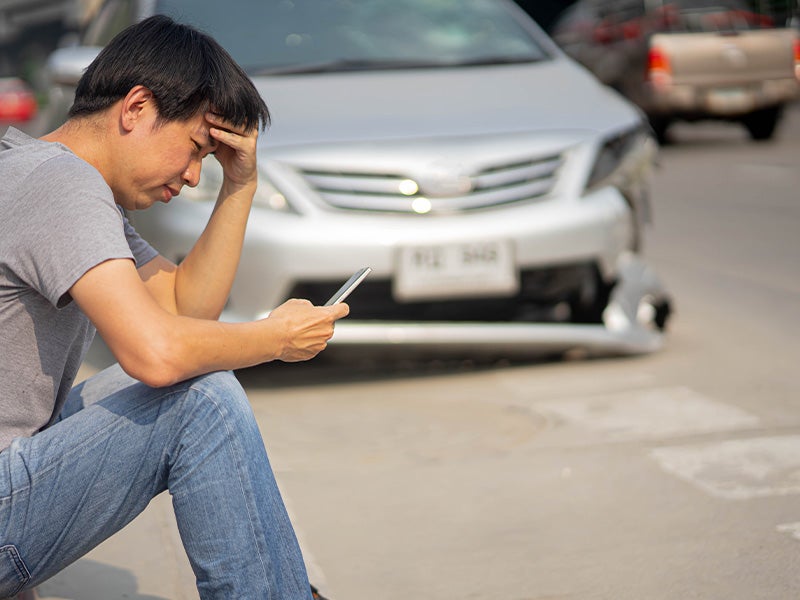
man on cell phone after a collision

Who's at Fault in a Multi-Car Collision?

While it may seem fairly simple to figure out who is at fault in a one- or two-car collision, multi-car accidents are very different. Typically, the car that rear-ends another is determined to be at fault because that driver is responsible for maintaining a safe following distance. Right? Not so fast. In most multi-car accidents, there is no single factor to blame. With each additional vehicle added to the collision mix, things get even more complicated. For instance, if a second car was rear-ended, the fault lies with the third driver or whoever was the first to make contact. Right? Factors That Determine Fault We said it gets complicated, and that wasn’t an overstatement. While a "chain reaction" accident is frequently caused by the negligence of the first driver, there are often other factors contributing to the accident, such as weather, road conditions, or unexpected braking from cars further up the chain. Then there are state laws to take into consideration. As an example, Kansas and Missouri are both "comparative negligence" states. That means that either a police officer on the scene, a judge or jury in a courtroom, or the insurance companies during the settlement process can ascribe partial responsibility to different drivers in a multi-car accident. For instance, they may determine that one driver is 70% to blame for driving too fast while another is 30% to blame for driving with broken brake lights. However, Kansas and Missouri work a little differently. In Missouri, "pure comparative negligence" laws apply. This means if you are to blame for some part of the accident, you can receive insurance settlement payments, minus the percentage of blame you receive. Kansas, on the other hand, operates on a "51% rule," which states that if you are at least 51% responsible or at fault for the accident, you cannot receive any compensation. Oh, and did we mention “at-fault states”? Drivers in Kansas live in a no-fault state. This means that, in Kansas, your insurance is supposed to pay your damages while the other driver's insurance pays theirs, and neither party goes to court. (Damages in excess of your insurance coverage may still be taken to court, however.) In Missouri, the driver with the most liability pays for the damages and injured parties. That's because MO is an at-fault state. Confused? Yeah, that's kind of how insurance works, which is a bummer. But if you ever get into a crash, whether it's in Missouri, Kansas or another state, just remember these tips. Tips on Getting Through a Chain Car Crash Regardless of the state, if you are in a multi-car collision, here are a few things to remember in order to stay safe and help determine fault: Stay calm. Call the police immediately, then contact your insurance agent while you wait. Stay in your car until a police officer or EMT says it's clear to exit. The risk of repeated injuries is very high during a multi-car accident, and just because your car has stopped moving doesn't mean that other vehicles around you aren't still moving in unpredictable ways. Remain at the scene and be sure to give your account to the police. If possible, have yourself and any passengers checked out by EMTs or emergency workers at the scene. Once you're able to, take pictures of your car at the scene as well as the surrounding cars. Take note of skid marks on the road, the relative position of vehicles, debris—basically, document everything you can. Exchange insurance information with other drivers, and exchange contact information with the police and with any witnesses at the scene. Call a tow truck, if one's not already been dispatched. (You can contact 1-800-NEW-AGAIN to get towed to a McCarthy body shop near you.) How to File an Insurance Claim After a Collision The insurance claim process can be a mess. Take it one step at a time, and you should be able to get through it relatively unscathed. Here are some other tips: Contact your insurance company or insurance agent and complete any paperwork or forms they request. Call a crash repair shop near you. (Note that you can take your car to any auto body repair shop you prefer, not just the one your insurance recommends.) Request an auto body repair estimate and review it carefully. Compare it against the benefits and limits of your insurance policy. Have your car repaired. Keep track of all expenses related to the auto repair and the accident itself. For example, you may also need to pay for alternate means of transportation, you may miss work, or you may have medical expenses. Your insurance company will reimburse you according to your policy, less any deductible you owe. If your accident-related expenses exceed your settlement, you can speak again to your insurance agent or company and verify that you've gotten all the benefits your policy entitles you to. You may want to consider taking the other driver(s) to court to recover all your damages from the accident. Do try and work with a collision repair center that offers insurance claim assistance. McCarthy Collision Centers will work with you and your insurance company to ensure you get fully compensated. McCarthy Collision Centers: We've Got Your Back Although a multi-car crash might be stressful and overly complicated, there’s nothing complicated about the way our McCarthy Collision Centers work. We tow you here, we speak with your insurance company to pay for repairs, and we get you back on the road—easy as pie. If you need help after a crash in Kansas City, contact us at 800-NEW-AGAIN. We have auto collision centers throughout the Kansas City region, including Olathe, Blue Springs, Overland Park and Lee's Summit.

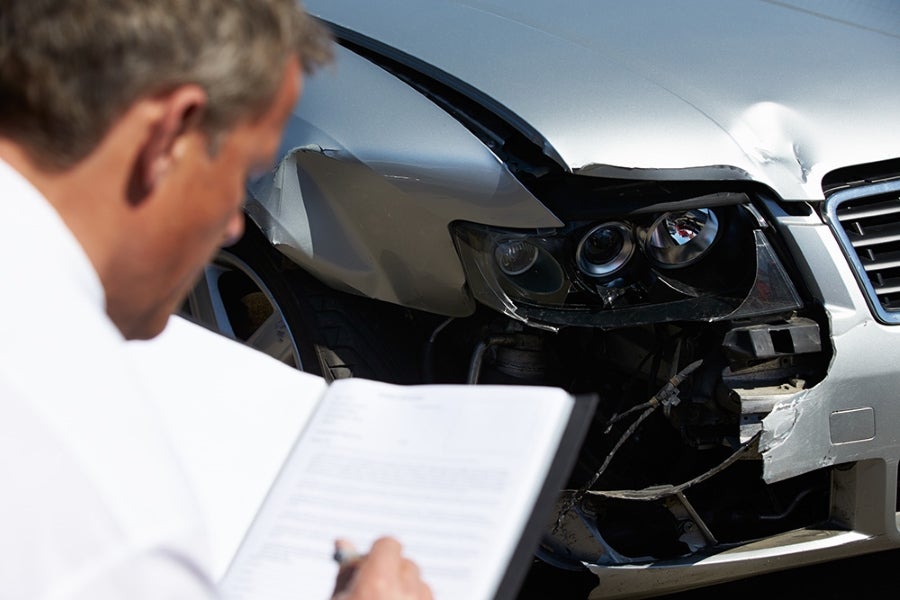
man looking at vehicle damage while going over paperwork

Car Insurance FAQs: How Does Auto Insurance Work?

You may have read a lot of tips about how to select the best or least expensive auto insurance policy. But you may not know enough about the actual process of making an insurance claim or even how car insurance works. And why would you if you're a careful driver who has not been in an accident? Here's what most drivers want to know about what goes on in the background after an accident. What Do I Do Immediately After My Accident? Of course, the first steps after being involved in a minor car accident are to make sure everyone is safe, call 911 for police and medical assistance, and get the insurance information from all the other drivers involved. Next, you’ll want to contact your insurance agent/company and request a tow truck to your chosen auto collision repair shop, if necessary. If you’ve been in a crash in the Kansas City region, dial 1-800-NEW-AGAIN to get a tow to your nearest McCarthy body shop. (Tip: If the airbags were deployed, don’t try to drive your vehicle to the auto body shop! You could cause another accident, which is obviously bad news.) Once these critical actions are taken, you can get to work filing an insurance claim. What Paperwork Do I Need to Complete After an Accident? Call the police to the scene of the accident, so you'll have a neutral third-party report on the facts. This police report will be the main document you’ll need to get the ball rolling on your auto insurance claim. You may also need to file a report with the Department of Motor Vehicles, depending on state law, to describe the circumstances of the accident. You will also need to make sure you have contact and insurance details for the other drivers involved in the accident -- but this critical information should be listed in the police report. How Do I File an Auto Insurance Claim? If you have a personal car insurance agent, you can call that person's office during business hours. After hours, or for many larger insurance companies, you can call the claims phone number listed on your insurance card and in your policy paperwork. You may also be able to start your claims process via your insurance company's website or app. Most claims forms are straightforward and simply require you to fill in facts. It may help to have a copy of the police report, but often that is not available quickly enough to be of much help in initiating your claim. Don't wait to have any paperwork like the police report in order to start your claim; you want to do this as soon as possible after your accident. When Should I Expect My Claim to Go Through? In most cases, a claims adjuster is assigned to your claim within 72 hours. Appraising the claim takes between a couple days and a couple weeks, though it's usually closer to days unless you decide to dispute the appraisal. You'll obviously need to take your vehicle for repairs, depending on the circumstances and your insurance agent’s recommendations. Collision repair is best done by a knowledgeable mechanic trained specifically in repairing a damaged vehicle, like the technicians at our Kansas City auto collision shops. What if My Insurance Company Wants Me to Use a Specific Auto Body Repair Shop? Most insurance companies do have preferred auto collision centers that they have used with success in the past. They typically choose these auto body repair shops for their technicians’ ability to do the job inexpensively and in a timely manner. This is one downfall of using an insurance company-recommended auto collision repair center. If you want to ensure that your repairs are completed on time and done with quality OEM parts, you do have the ability to request your chosen body shop. Just communicate your wishes to your agent. If you let your insurer know before you get an estimate that you wish to work with McCarthy Collision Centers, they can accommodate your request. How Can I Make the Process Move More Quickly? Claims and collision repair may take time -- rarely is the process complete in a day or two, or even next week. You can improve your odds of getting your claim processed faster by talking to your insurance agent and filing your claim as soon as possible. (Again, don't wait for the police report in order to start your claim; it will be added when it’s available.) Remember that you can be honest and thorough with your agent, who is tasked with assisting you no matter who was at fault in the accident. Listen to what your agent asks you to do and move fast to get that done. If an investigator is assigned to your case, cooperate with that person and help him or her with any evidence requested. Finally, you can be persistent with your adjuster. Don't call several times a day, but you can check in every couple of days to politely inquire where your claim is in the process. If you have additional questions about the auto body repair process, you can ask your claims adjuster. But if you're not getting specific answers to your questions, our Kansas City collision repair shops can assist you. Contact our McCarthy Collision Centers today and we’ll help you walk through the process, either over the phone or at one of our body shops. We offer free estimates and will work on your behalf to ensure your auto insurance claim is taken care of. Stay safe out there!

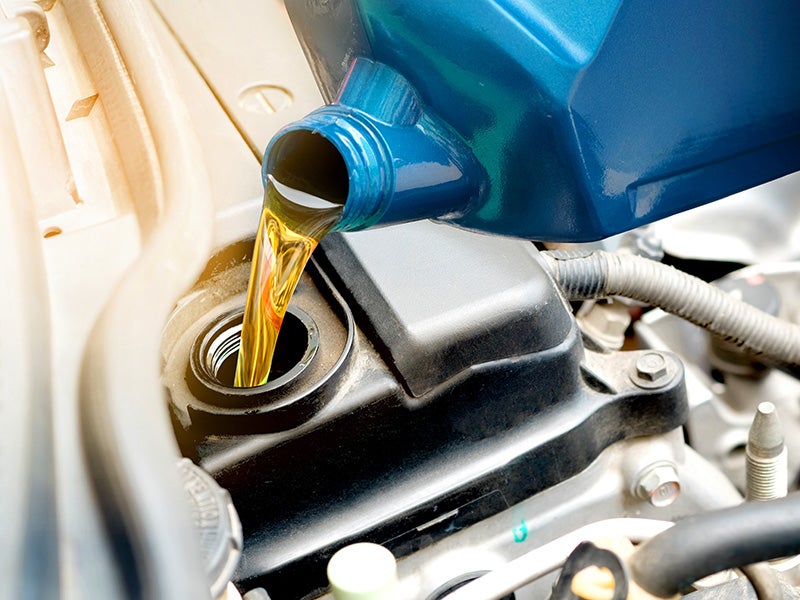
close up of oil pouring into an engine

7 Essential Winter Auto Body Tips for Old Cars

Like it or not, winter is fast approaching in Kansas City. That means bitter cold, snowfall, and downright messy road conditions. If you're heading into this winter season with an older model vehicle, there are a few preventative steps you should take to ensure your car is in good working condition. Here are 7 winter auto body tips to keep you and your vehicle safe this year. 1. Check Your Fluids One of the best ways to winterize your car is to check and fill all the necessary fluids. It's particularly crucial to have the right coolant to prevent fluid from freezing inside your radiator. If you're not sure which one to use, consult your owner's manual. In Kansas City, where temperatures can fall below freezing, you may want to consider using a thinner oil in the colder months to ensure smooth fluid movement. In addition, freeze-resistant windshield wiper fluid will help keep your driving vision clear through rain, snow, and muddy slush backsplash. 2. Upgrade to Snow Tires For driving in wet and slippery conditions, it's best to switch out your summer or all-season tires for a more rugged set of winter tires. Dedicated winter tires have different tread patterns and a unique rubber composition designed for increased traction on greasy roads. Without them, you may find yourself sliding and spinning, creating an unsafe situation for you and other drivers. 3. Allow Warm-Up Time Newer model cars can simply be put in gear and driven to your destination—no matter the weather conditions. Older model cars, though, may need a few minutes to warm-up before venturing out into the winter landscape. If your car stalls or sputters in cold weather, you probably need to let it idle before you take off. A warm-up period gives your older car a chance to heat up the oil, allowing it to flow more smoothly. Try allowing the car to idle while you brush off any fallen snow. Those few minutes should be ample time to prepare the engine for exertion—no revving required. 4. Brighten Your Lights Snow, rain, and other falling precipitation can seriously interfere with your driving visibility. If you have an older model car, it has likely been some time since your headlights were replaced or upgraded. Before any snow starts falling, make sure your headlights, taillights, and turn signals are in proper working order. You might consider upgrading to a high-output headlamp for brighter lighting and a lengthier field of vision. If you have plastic headlights that are murky and dull, get them restored before winter arrives. While it may not seem like a big deal now, improving your road vision will greatly increase your safety this winter. Throughout the cold season, clean your headlamps with glass cleaner, soap and water, or toothpaste to keep them crystal clear. 5. Fend Off Rust To prevent the development or worsening of rust on your older model car this winter, start by washing it thoroughly. Salt, mud, and grime will be working overtime through the winter season to eat away at your vehicle. You don't have to go outside every other day in a full snowsuit to hose it off—simply stop at the car wash every few weeks when the roads are down to bare pavement. Most car washes have an undercarriage cleaning option. It's definitely worth spending a couple extra bucks to reach the parts of the car that you can't see. You can also opt to add an oil undercoating to your vehicle to further deter the formation of rust. These simple rust prevention practices will add years of life to your vehicle's body and undercarriage. For that reason, rust prevention is one of the most important winter auto body tips for old cars. 6. Opt for an Engine Block Heater An engine block heater can help reduce the harsh effects of winter on your car's engine. (It also makes the first few minutes of your drive less cringe-worthy!) This type of heater is installed under your hood and has a port for an extension cord that comes out through your grill. All you have to do is plug it in while your vehicle is turned off. The heater warms up the engine block, which in turn warms up the oil. The oil thins out and lubricates the engine quickly, eliminating the usual sluggishness that comes with a cold-engine start. 7. Don't Let the Gas Tank Hit E It's true, getting out of your warm car to pump gas in the frigid winter air is no pleasant task. As much as you despise this chore, it's never a good idea to drive around with an almost-empty gas tank in the wintertime. Cold temperatures cause condensation to form on the walls of a nearly-empty gas tank. If that water makes it into your fuel lines, it will freeze and block gasoline from reaching your engine. The damage that can result from driving on an empty tank in the winter warrants costly repairs. The high price of repairs certainly cancels out the convenience of skipping a gas station stop on your way home from work. So, bundle up! You've got to get out there and fill your tank in spite of icy weather. Visit McCarthy Collision Centers For More Help Winter is nearly here. Are you prepared? If not, head to one of our body shops near Kansas City to get your dents un-dented, scratches un-scratched, and chipped windshields un-chipped. We have several locations throughout Kansas City, so contact us at 800-NEW-AGAIN to schedule your appointment. From all of us at McCarthy Collision Centers, we hope you stay safe on the roads this winter!

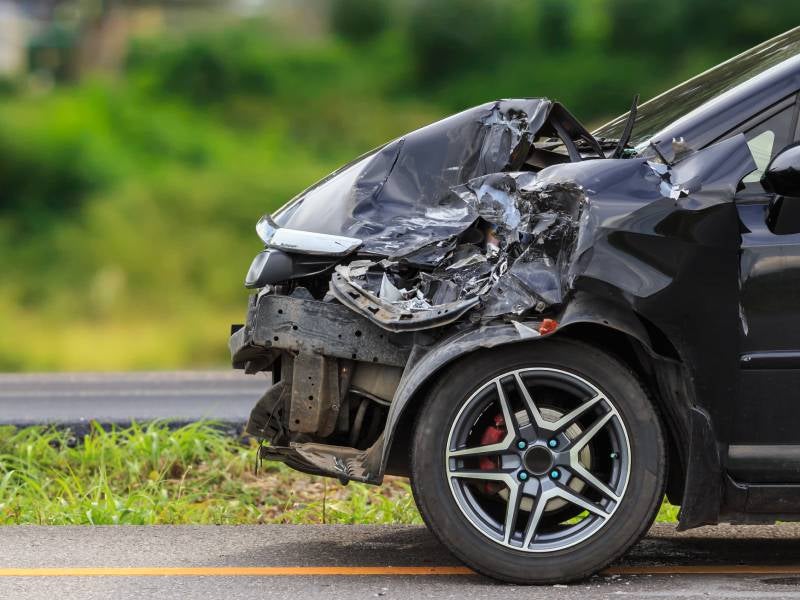
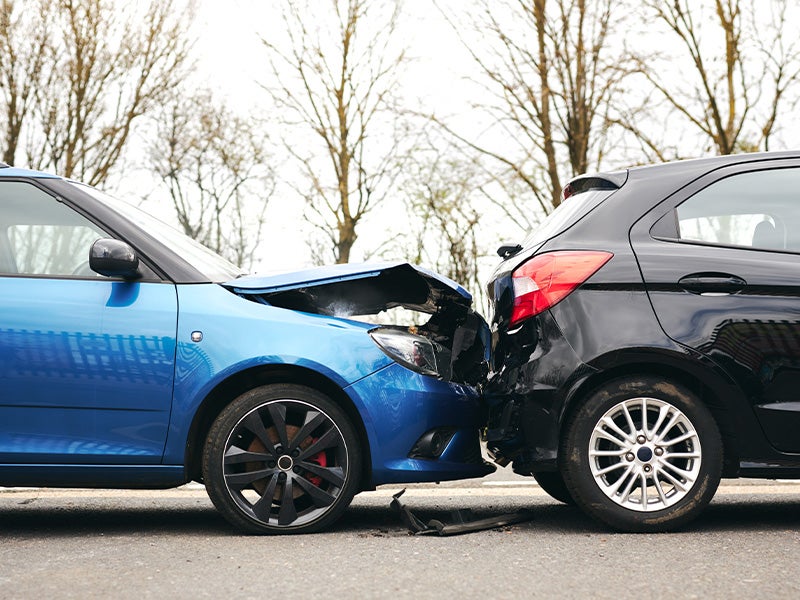
image of two vehicles involved in a crash

Top 6 Causes of Vehicle Accidents & How to Prevent Them

Traffic safety is a major concern for all of drivers as a large number of car accidents happen every year in America. While some accidents are relatively minor, others are devastating or fatal. As we close in on the colder, snowier, and icier Kansas City weather, it's important to know what's happening around you when driving and to be aware of the traffic laws and regulations. The causes of car accidents are vast, but we've compiled the top six reasons why people crash, as well as a few solutions to prevent them from happening. 1. Distracted Driving Distracted driving is the biggest cause of accidents in the United States—and the numbers suggest this problem is growing every year. According to the CDC, 9 people are killed and another 1000 are injured by distracted drivers each day. Anything that causes a distraction to you while driving is considered dangerous; in many states, texting and driving is now illegal—it is illegal in Kansas but not Missouri—and in some places just handling a phone while behind the wheel has been outlawed. But it's not just phones; smoking, eating, holding pets, reading, applying makeup and even loud music can be deadly while driving. SOLUTION: Pay attention to the road, not what's happening in the car. If you're doing anything other than driving while behind the wheel, then you're doing too much. Nothing is more important than your life or the lives of others. So, put down the phone and invest in a vehicle that has hands-free capabilities to ensure you’re keeping your eyes on the dotted lines, not the emoticons in your group text. 2. Drunk Driving Drunk driving is one of the biggest causes of vehicular death in the U.S. According to the MADD website, every 2 minutes someone is injured in a drunk driving accident. SOLUTIONS: If you've been out for a drink, even if you're a just a little tipsy, then you shouldn't be behind the wheel of a car. Take a taxi, Lyft or ask a friend to be your designated driver. If you're driving when you know that people have been drinking (New Year's, past certain times at night, etc.), be vigilant and watch for the tell-tale signs of drunk driving: swerving in and out of lanes, speeding or going abnormally slow, and obsessive braking. If you suspect someone of driving drunk, take down their license number and call the police (this applies to anyone under the influence, not just those who have been drinking alcohol). Even if that driver isn’t a direct threat to you, they may be to others. 3. Weather No matter if it's rain, snow or ice, wacky weather can play a big part in raising traffic accident incidences. The roads become more slippery, visibility too low, and drivers too oblivious to the changing conditions and immediate dangers presented by inclement weather. In Kansas, for instance, over 5% of all annual accidents were directly caused by poor wintery road conditions. SOLUTIONS: If there's a chance of bad weather, you should try to avoid driving. If you're in the middle of driving and the roads become too treacherous, then pull over and wait until the storm passes. Before winter approaches, check your tires for wear that can cause hydroplaning. In the case of snow and ice, especially on rural Missouri or Kansas roads, tire chains may be required to keep your vehicle from sliding. If your car is covered in snow, be sure to remove all of it before driving (yes, even the snow left on top), as large and frozen sections of snow flying off car roofs can create accidents. Observe all safety precautions when driving or preparing to drive in bad weather. 4. Speeding As quoted by iihs.org, "in 2015, speeding was a factor in 27 percent of motor vehicle crash deaths." Pushing the speed limit is a dangerous stunt to pull while driving. Although driving just 5 mph over the speed limit may not seem too terrible, it can lead to dangerous conditions when combined with slower or other aggressive drivers. Plus, the faster the car is going, the less time you’ll have to react to immediate threats—that’s just a fact. SOLUTIONS: Follow the speed limits and don't try to rush when you're driving. The speed limits are there not as a precaution, but as a law, as they correlate to the type of neighborhood, pedestrian numbers, businesses, and flow of traffic in the area. If you're in a habit of running late, then practice better time management, not racing in a car. If you simply have a lead foot, invest in a new vehicle that offers adaptive cruise control—it could very well save your life. 5. Reckless Driving Motor vehicle crashes are the leading cause of teenage deaths in the USA. Quite often, this is due to reckless driving, such as texting while behind the wheel, although the experience level of the driver can certainly play a part. SOLUTIONS: Don't be too aggressive on the road. There's a difference between defensive driving and reckless driving, and too often teenagers fall into the latter category. Don't change lanes too quickly or without using a blinker. Don't speed. If you feel like your driving is raising your adrenaline levels, chances are you belong on the track, not an open road. Don’t take corners too quickly. Pay attention to the laws and follow them; they're there for a reason. 6. Running Reds While it may seem a bit obvious to follow the law and stop at a red light, there are many people who don't. According to iihs.org, on average, someone is running a red light every 20 minutes. SOLUTIONS: You learned it in preschool: Red means stop, and that’s a law put in place for both traffic flow and driver safety. If you’re sitting at a red light that turns green, you have the right of way to proceed. But having the right of way doesn’t mean you’re safe! It's always a good idea to make sure no one else is coming through the intersection before you go ahead. Remember: Someone runs a red light every 20 minutes—don’t be a victim of that crime. Practice defensive driving at all times. Whenever you drive you should remember to obey the laws and be vigilant about watching the drivers around you. Be careful, remove distractions and focus while driving to remain safe. Accidents happen though, and when they do, you want a trusted collision center and mechanic to back you up. If you’ve been in a collision around KC, bring your vehicle or have it towed into one of our auto body shops near Kansas City. With collision repair shop locations in Overland Park and Olathe, KS, as well as Blue Springs and Lee’s Summit, MO, we can help get your car sorted after a crash. Call us at 800-NEW-AGAIN or contact your nearest McCarthy collision center near Sedalia to schedule an appointment for auto body repairs. And drive safe out there!

Contact Us

Fill out this form below and we'll contact you shortly
*Required Fields