• McCarthy Collision Center

Blog

Top 6 Causes of Vehicle Accidents & How to Prevent Them

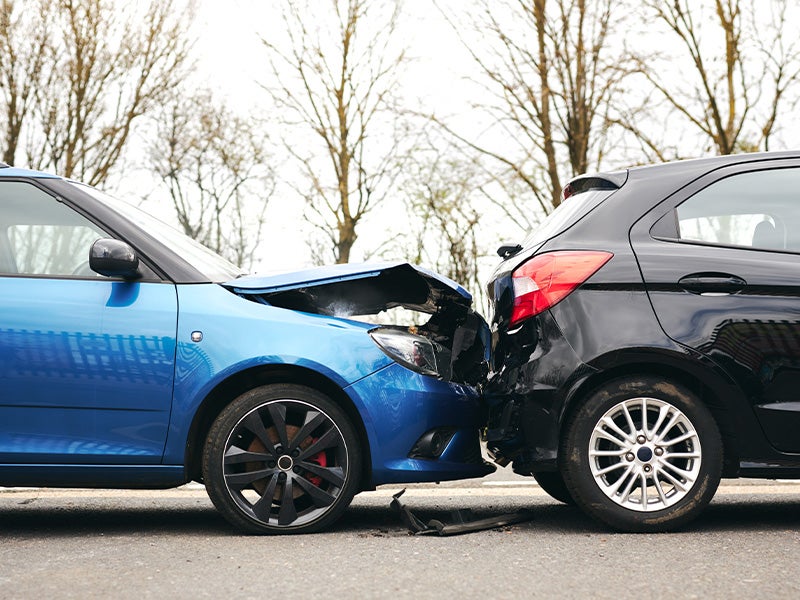
image of two vehicles involved in a crash

Traffic safety is a major concern for all of drivers as a large number of car accidents happen every year in America. While some accidents are relatively minor, others are devastating or fatal. As we close in on the colder, snowier, and icier Kansas City weather, it's important to know what's happening around you when driving and to be aware of the traffic laws and regulations. The causes of car accidents are vast, but we've compiled the top six reasons why people crash, as well as a few solutions to prevent them from happening.

1. Distracted Driving

Distracted driving is the biggest cause of accidents in the United States—and the numbers suggest this problem is growing every year. According to the CDC, 9 people are killed and another 1000 are injured by distracted drivers each day. Anything that causes a distraction to you while driving is considered dangerous; in many states, texting and driving is now illegal—it is illegal in Kansas but not Missouri—and in some places just handling a phone while behind the wheel has been outlawed. But it's not just phones; smoking, eating, holding pets, reading, applying makeup and even loud music can be deadly while driving.

SOLUTION: Pay attention to the road, not what's happening in the car. If you're doing anything other than driving while behind the wheel, then you're doing too much. Nothing is more important than your life or the lives of others. So, put down the phone and invest in a vehicle that has hands-free capabilities to ensure you’re keeping your eyes on the dotted lines, not the emoticons in your group text.

2. Drunk Driving

Drunk driving is one of the biggest causes of vehicular death in the U.S. According to the MADD website, every 2 minutes someone is injured in a drunk driving accident.

SOLUTIONS:

  • If you've been out for a drink, even if you're a just a little tipsy, then you shouldn't be behind the wheel of a car. Take a taxi, Lyft or ask a friend to be your designated driver.
  • If you're driving when you know that people have been drinking (New Year's, past certain times at night, etc.), be vigilant and watch for the tell-tale signs of drunk driving: swerving in and out of lanes, speeding or going abnormally slow, and obsessive braking.
  • If you suspect someone of driving drunk, take down their license number and call the police (this applies to anyone under the influence, not just those who have been drinking alcohol). Even if that driver isn’t a direct threat to you, they may be to others.
close up image of a windshield wiper covered in rain

3. Weather

No matter if it's rain, snow or ice, wacky weather can play a big part in raising traffic accident incidences. The roads become more slippery, visibility too low, and drivers too oblivious to the changing conditions and immediate dangers presented by inclement weather. In Kansas, for instance, over 5% of all annual accidents were directly caused by poor wintery road conditions.

SOLUTIONS:

  • If there's a chance of bad weather, you should try to avoid driving.
  • If you're in the middle of driving and the roads become too treacherous, then pull over and wait until the storm passes.
  • Before winter approaches, check your tires for wear that can cause hydroplaning.
  • In the case of snow and ice, especially on rural Missouri or Kansas roads, tire chains may be required to keep your vehicle from sliding.
  • If your car is covered in snow, be sure to remove all of it before driving (yes, even the snow left on top), as large and frozen sections of snow flying off car roofs can create accidents.
  • Observe all safety precautions when driving or preparing to drive in bad weather.
side view of a red vehicle speeding on a highway

4. Speeding

As quoted by iihs.org, "in 2015, speeding was a factor in 27 percent of motor vehicle crash deaths." Pushing the speed limit is a dangerous stunt to pull while driving. Although driving just 5 mph over the speed limit may not seem too terrible, it can lead to dangerous conditions when combined with slower or other aggressive drivers. Plus, the faster the car is going, the less time you’ll have to react to immediate threats—that’s just a fact.

SOLUTIONS:

  • Follow the speed limits and don't try to rush when you're driving. The speed limits are there not as a precaution, but as a law, as they correlate to the type of neighborhood, pedestrian numbers, businesses, and flow of traffic in the area.
  • If you're in a habit of running late, then practice better time management, not racing in a car.
  • If you simply have a lead foot, invest in a new vehicle that offers adaptive cruise control—it could very well save your life.

5. Reckless Driving

Motor vehicle crashes are the leading cause of teenage deaths in the USA. Quite often, this is due to reckless driving, such as texting while behind the wheel, although the experience level of the driver can certainly play a part.

SOLUTIONS:

  • Don't be too aggressive on the road. There's a difference between defensive driving and reckless driving, and too often teenagers fall into the latter category.
  • Don't change lanes too quickly or without using a blinker.
  • Don't speed. If you feel like your driving is raising your adrenaline levels, chances are you belong on the track, not an open road.
  • Don’t take corners too quickly.
  • Pay attention to the laws and follow them; they're there for a reason.

6. Running Reds

While it may seem a bit obvious to follow the law and stop at a red light, there are many people who don't. According to iihs.org, on average, someone is running a red light every 20 minutes.

SOLUTIONS:

  • You learned it in preschool: Red means stop, and that’s a law put in place for both traffic flow and driver safety.
  • If you’re sitting at a red light that turns green, you have the right of way to proceed. But having the right of way doesn’t mean you’re safe! It's always a good idea to make sure no one else is coming through the intersection before you go ahead. Remember: Someone runs a red light every 20 minutes—don’t be a victim of that crime.
  • Practice defensive driving at all times.

Whenever you drive you should remember to obey the laws and be vigilant about watching the drivers around you. Be careful, remove distractions and focus while driving to remain safe.

Accidents happen though, and when they do, you want a trusted collision center and mechanic to back you up. If you’ve been in a collision around KC, bring your vehicle or have it towed into one of our auto body shops near Kansas City. With collision repair shop locations in Overland Park and Olathe, KS, as well as Blue Springs and Lee’s Summit, MO, we can help get your car sorted after a crash.

Call us at 800-NEW-AGAIN or contact your nearest McCarthy collision center near Sedalia to schedule an appointment for auto body repairs. And drive safe out there!

Recommended Posts

Paintless Dent Repair: What, When, and Why

Paintless Dent Repair: What, When, and Why

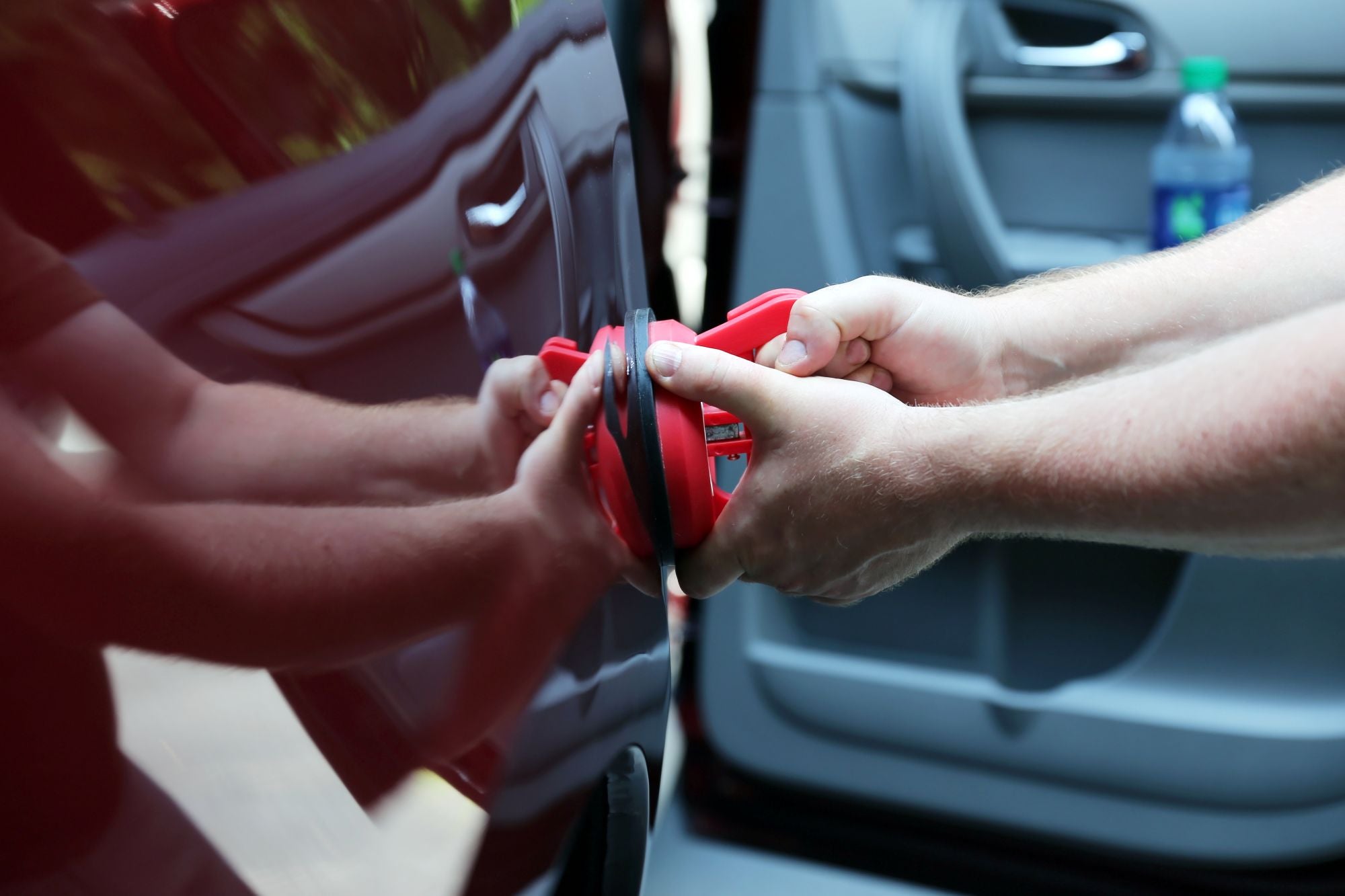
Paintless dent repair gets your vehicle back into good physical health in a quick, easy, and affordable way. Sometimes things can happen, such as backing into an obstacle, getting into a fender bender, or, in some cases, dents can even just seem to magically appear. Whatever the cause, dents in your vehicle don’t look so great, and they can negatively impact the value of your vehicle if you were considering selling or trading-in. But what is paintless dent repair exactly? How does it differ from your run-of-the-mill dent repair? When should you opt for one and not the other? In this paintless dent repair overview, we’ll look at what you can expect from the service at a collision repair center and when it’s right to choose paintless dent repair. Let’s dive in. more What is Paintless Dent Repair? Without getting too technical, the one main thing you need to know about dent removal is that it hinges on the metal’s “memory.” In other words, assuming the metal hasn’t been bent out of shape too much or for too long, it can revert to its original state and shape. When the dent or ding isn’t too severe, the auto body repair shop will coax the metal back to how it should be. Sometimes this is done by accessing the dent from the other side (aka, the interior of the vehicle) or by using a suction tool to “pop” the dent out. And that’s it. Simple as that. No pounding, grinding, or sanding. And then, no need for a paint application to cover up the cosmetic damage, hence the name “paintless dent repair.” When Should I Choose Paintless Dent Repair? In Kansas City, we’ll sometimes get hailstorms, and those little nuggets plummeting back to Earth are key culprits of dents and dings in vehicles. If you have kids in your neighborhood, you might notice a ding that’s suspiciously the size of a football. Regardless, if you find dents on larger pieces of the vehicle’s body, such as the doors, hood, or roof, paintless dent repair is a quick and affordable option to get the dings out. When Do I Need Traditional Dent Repair? When dents and damage to the vehicle are more severe, or the paint has cracked in the dent or around it, you may need to opt for traditional dent repair over paintless dent repair. They’ll need to hammer out the metal to get it back into shape, grind, and sand the area down to have a fresh canvas to apply new paint. Because of the extra labor involved, this process is a bit more costly. However, at McCarthy Collision centers, we make it as affordable as possible and offer service specials to help you save. Choose McCarthy for Paintless Dent Repair If your car has a few dents and dings, bring it to our collision center to see if it’s eligible for paintless dent repair. Our expert technicians understand vehicle repair and dent removal and can help get your car, truck, or SUV back into tip-top shape. Contact us today to find the McCarthy Collision Center near you.

What Car Maintenance Should I Do Before a Big Road Trip?

What Car Maintenance Should I Do Before a Big Road Trip?

There’s nothing quite like the call of the open road. You go where you want, you see the sights along the way, and you have your choice of entertainment as you go. There’s just one thing—wouldn’t it put a damper on your big journey if your vehicle broke down on the way? Road trips are one of the last great expressions of freedom. So, why wouldn’t you want to ensure your freedom is safe from car troubles as you go? In this long road trip car maintenance checklist, we’ll go over how to prep your car for a road trip to avoid any unwanted service center stops. Read on to learn the long road trip car maintenance tips to ensure smooth sailing. more Get an Oil Change When you neglect to get an oil change for too long, sludge builds up in your engine, and the parts don’t get the proper lubrication. Without the proper lubrication, too much friction occurs. When too much friction occurs, the engine will overwork and overheat, and when overheating occurs, your road trip can be cut short very quickly. Be sure to check your service records to make sure you have plenty of miles before your next oil change is due. Check Your Tires Naturally, a deflated or flat tire will put a halt to the road trip immediately. However, ignoring warning signs about your tires will lead to repairs on the road. Firstly, make sure there aren’t any slow leaks or bubbles in your tires. Secondly, ensure that your tire tread is still in good shape. If your tread is looking low, you should consider tire replacement to avoid flats or blowouts. Change Your Filters Since you’ll be spending so much time in the car, you’ll want to be able to breathe comfortably. You’ll also want to check your engine filter to make sure that dust and debris don’t get into the engine to muck things up. When you bring your car to your local Kansas City service center, be sure to have the technician inspect your filters. Inspect Your Brakes As important as it is for your car to move forward, you need to make sure your vehicle can safely come to a complete stop too. If you’ve noticed a squeaking or, worse yet, a grinding sound when braking, it’s time for brake replacement. You don’t want your wheels damaged from metal-on-metal when brake pads are worn or worse yet, getting into an accident because you couldn’t stop in time. Replace Your Wipers and Lights A safe ride is a happy ride, and being able to properly see through any time of day, night, or weather is vital to a safe trip. You can’t guarantee you won’t run into rain on your drive, so it’s good to have fresh wipers to keep your windshield clear. You also may end up driving when it’s dark, so lights are just as important. They’re quick and easy to replace, so you should. Service Your Car at McCarthy Collision Centers Set yourself up for success on your next road trip by bringing your vehicle to your local McCarthy Collision Center location. Our experts know vehicles inside and out and can get your car, truck, or SUV back to road-ready in no time at all. Call us today to schedule service to get your vehicle like new again for your next adventure: Blue Springs, MO: 816-224-7575 Lee's Summit, MO: 816-313-4533 Olathe, KS: 913-324-7300 Overland Park, KS: 913-649-2999

Is My Car Totaled? An Informative Guide

Is My Car Totaled? An Informative Guide

An accident is a stressful, harrowing, and terrifying experience every time it happens. Whether it’s a moderate fender bender, a collision when your vehicle was parked, or a major crash, one of the biggest concerns once your nerves have settled is whether your vehicle is all right. Will you need dent repair? Is it worth saving? It’s never a good feeling to find out your car, truck, or SUV is totaled, but the waiting can often make matters worse. However, there are a few ways to accurately guess the diagnosis. If you don’t want to ask yourself, “Is my car totaled?” after an accident, this guide is here to help. Read on to learn how to determine if your car is totaled. more What Makes a Car Totaled? Say you’ve been in an accident. Your car’s current value is around $5,000. If the cost to repair the vehicle is less than that number, assuming you have auto insurance with collision coverage, you’ll receive a check for the repairs. If the cost of repair is more than your vehicle’s value, then your insurance company will likely claim the vehicle totaled. It’s important to research your insurance policy to see if there’s any difference in its definition of totaled. Some states and insurance companies will use a percentage threshold to claim your car is totaled (for example, if the repairs cost 80% of the vehicle’s book value). They may also claim the car is totaled if it’s unsafe to drive and unfit for the road, even if it were fixed. How to Determine if My Car is Totaled If your vehicle sustained excessive damage to the front end, there’s a strong likelihood your vehicle will be considered totaled due to the fact that most of the crucial components are housed there. Damage to your frame is another incredibly expensive and difficult-to-repair part of your vehicle and will likely result in a totaled diagnosis. Heavy leaks from the brakes, coolant, transmission, or any other part under the hood may not necessarily mean your vehicle is totaled, but you may want to plan for the news that it’s totaled. When the engine won’t start after a collision, it’s never a good sign. Engines are (naturally) some of the most expensive components to a vehicle, and if yours is damaged, your insurance company will likely claim the vehicle is totaled. While there is a chance your vehicle isn’t totaled despite any of the examples above, there’s one (almost) surefire way to tell if your vehicle will be considered totaled: fire damage. Top 3 FAQs About Totaled Vehicles Is My Car Totaled? If the cost of repairs exceeds (or in some cases comes close to) the current value of your vehicle, or if it would be deemed unsafe to drive after repairs, your insurance company will likely consider it totaled. How Much Will Insurance Pay for My Totaled Car? If the car is claimed totaled, the insurance company will send you a check for your car’s pre-accident value. What Happens When Your Car is Totaled but Still Drivable? If your vehicle could be repaired, but your insurance company has deemed it totaled, it is, in fact, totaled. You can either sell it to the insurance company for your payout, or choose to keep it and be given a salvaged title. This increases the difficulty of insuring the vehicle, trading it in, or selling it, so choose carefully. Trust McCarthy Collision Centers If you’ve been in an accident or need repairs to your vehicle, bring it to one of our McCarthy Collision Center locations for fast, easy, and affordable service. From oil changes to insurance claim assistance, we work with you to reduce stress when you need your vehicle repaired. Contact us today for more information or to get your vehicle back into road-ready shape.