

It's becoming more and more common to see people out and about with some kind of headphones on or earbuds in. We all probably know at least one person who wears headphones as a constant fixture (or maybe you are that person). We're not here to judge. There are plenty of places where wearing earbuds makes sense—working on the computer at the office, going on a bike ride, at the gym, ignoring your younger siblings, etc. However, one place we don't recommend wearing them is while you're driving. Why, you ask? Well, not only is it potentially dangerous, but in some states, it's downright illegal. Is Driving With Earbuds Safe? No, not really. Before we address the legality of things, let's get one thing out of the way: don't drive with headphones on or earbuds in. Doing so presents a potential distraction, even if you're not actively using them, because if they're connected to a smartphone or other device, any random ding in your ear or notification could divert your attention from the road. According to the NHTSA, distracted driving was ruled as the cause of over 3,500 deaths in the United States in 2021, with countless more nonfatal accidents. Even if you're not being actively distracted, playing audio through headphones reduces your ability to hear road noises like emergency vehicle sirens, other cars and pedestrians, and even your own car. It's certainly possible to drive if you're hearing impaired, but it's irresponsible to drive with earbuds otherwise. As a viable alternative, you can utilize your vehicle's infotainment system. Many states also have laws prohibiting handheld phone usage while driving, but they allow for hands-free communication. So, while it's still not perfectly safe, if you're able to link your device with your vehicle, or use voice-activated commands, it's a good idea to do so. Is Driving With Earbuds Illegal? As with many laws in the U.S., it depends on which state you live in. Here's a down for all 50 states, as of this writing (note: there are some states where it's illegal to have earbuds in both ears, but there are exceptions). Illegal for Both Ears (One ear can be in for a phone call): Colorado Florida Georgia Illinois Massachusetts New York Ohio Pennsylvania Rhode Island Illegal In General: Alaska California Louisiana Maryland Minnesota Legal: Alabama Arizona (Except for licensed childcare and school bus drivers) Arkansas Connecticut Delaware Hawaii Idaho Indiana Iowa Kansas Kentucky Maine Michigan Mississippi Missouri Montana Nebraska Nevada New Hampshire New Jersey New Mexico North Carolina North Dakota Oklahoma Oregon South Carolina South Dakota Tennessee Texas Utah Vermont Washington D.C West Virginia Wisconsin Wyoming For those of you not counting at home, driving with earbuds is legal in 34 states and the District of Columbia, and 9 more states allow provisions for specific circumstances, so it's only fully illegal in 7 states. Still, it's not unlikely that the number of states prohibiting headphone use while driving will rise in the coming years, as more traffic data continues to come to light. What Are the Penalties of Driving With Headphones in Illegal States? As with the laws themselves, the consequences of breaking said laws can vary across jurisdictions. In the case of being pulled over simply for having earbuds in, you may simply receive a warning. However, the most likely penalty is a moving violation, which usually results in a ticket with a fine attached, as well as potential points on your operator's license. If you're caught multiple times, you may face steeper consequences, including having your license suspended. Doesn't really seem worth it, does it? Things can get even hairier if you're involved in an accident while wearing headphones. You may be charged with reckless driving, and even if you get into a wreck in a state where it's technically legal to drive with headphones, there's a chance that you could catch a lesser charge like negligent driving. Additionally, if you're found at fault for a collision due to distracted driving, your insurance may not cover damages, and your premiums may go up. Drive Safe, Kansas City! Using headphones while driving may technically be legal in Missouri and Kansas (for now) but that doesn't mean bad things can't happen because of it. If you get in an accident and your car is damaged, contact McCarthy Collision Centers at one of our multiple locations around Kansas City. We offer round-the-clock towing, help with insurance claims, free estimates, and more.
Reasons Your Car Door Won’t Close
Car doors are something most of us expect to just work - they should open and close without concern whether your vehicle is brand new or has a quarter million miles on it. Unfortunately, that flawless execution we anticipate is not always the case, and there is a huge list of possible reasons your door isn't shutting or latching properly. The McCarthy Collision Centers team is serious about our work, but we also like to have a little fun, so we've compiled a list of reasonable causes for your vehicle door refusing to shut and added a couple of fun scenarios at the end. If you have any questions about what might be keeping your door from shutting, or any other body repair questions, reach out to the team at our multiple body repair shops near Olathe Kansas and Kansas City. The McCarthy Collision Centers team is here to help! Why Won't My Car Door Close or Latch? There are many common reasons that a vehicle door will refuse to latch or close fully. We'll talk briefly about accidents a bit further along in this article, but we will start this article with a breakdown of common causes. The weather – if your doors freeze in these frigid Kansas City winters, you may find yourself with a door that won't fully close. There could be ice keeping the moving parts from functioning or, in extreme cases, the rubber seals and gaskets may freeze which could keep the door from sealing properly. Extremely hot weather can also affect those seals and gaskets which could keep the doors from sealing properly, but we recommend staying near Olathe and away from Death Valley to avoid this problem. Internal component failure – your vehicle's door is far more complex than you imagine and there's the possibility of one of its many moving parts failing. If the wrong piece, or the wrong combination of pieces, break you may find yourself with a malfunctioning door that looks perfectly fine. Alignment – this type of issue is more likely to happen after an accident, but issues of alignment can be caused by normal wear on your door or a failure in a hinge. You may be able to spot this problem by looking for slightly misaligned body panels. Unexpected objects – it's common for items to find themselves lodged in the door way or door latch and cause issues closing the door. Your blog author has occasionally had their seatbelt end up in the door, but we've also had our coats get stuck over the door latch and leave us momentarily frustrated. We will have a little fun with this possibility further down. Latch or striker concerns – these external parts ensure your doors securely close, and they're also subject to damage or other failure. These are easier to spot than the internal failures, but you may still want to seek professional guidance in repairing them. If your car door hinge is stuck, your car door won't latch, or there's some other problem with any of your vehicle's doors, then it's time to call the team at McCarthy Collision Centers. We're experts in fixing truck and SUV doors that won't latch, and we'll get you in as quickly as possible at our body repair shops around Olathe, KS and Kansas City. What if My Car Door Won't Close After an Accident? Accidents are frightening and frustrating intrusions into our lives, and we hope you've come away from yours unharmed. There are plenty of accidents that seem minor at first but that can leave your vehicle unsafe to drive. It's possible for the frame of your vehicle to be thrown badly enough out of alignment that your doors won't close, and you must not drive that vehicle if all doors don't fully latch. Check all your vehicle's doors (including the trunk or hatchback) before you leave the scene of an accident. If any of them won't close fully, or don't stay shut, the safest thing to do is call a tow truck and have your vehicle taken to a body repair shop. The McCarthy Collision Centers are a good choice, and we have collision repair centers around Olathe Kansas and Kansas City. Why Won't Your Honda Odyssey or Other Minivan Door Close? Every 2024 Honda Odyssey minivan is equipped with power doors, but both power and manual sliding doors in any minivan can become jammed or unable to properly close for a variety of reasons. We know hauling a family can introduce weird items to your van's interior so we have compiled a list of serious (and light-hearted) reasons your minivan sliding doors won't close. It's possible the motor which powers the door has failed. There's a seatbelt lodged in the tracks. There's a backpack or bag strap looped or otherwise stuck somewhere in the mechanism. If you're trying to operate the door with your key fob and it's not working, the battery might be dead, or the fob may be malfunctioning. Most of an order of fast food fries have fallen into the track and hardened into an unmovable mass. It's possible the motor which powers the door has failed. There may be a fault in the safety sensor that prevents the door from closing. The locking mechanism could be stuck in the closed or locked position. There are many reasons, aside from a collision, that might keep your minivans sliding doors from closing. The McCarthy Collision Centers teams are happy to take a look and help you figure out what's wrong so you can go back to worrying about what's important: getting your kids to their next activity! Why Won't Your Jeep Door Close? Jeep owners know that life is interesting, and the McCarthy Collision Centers team knows there are similarly interesting reasons behind a Jeep door that refuses to fully close. We're sticking with just fun possibilities for this list of things could cause your Jeep door to not fully latch and swing wildly during your off-roading and overlanding adventures. Is there a log in the door? What about a good-sized tree branch? A big rock? Did your recovery shovel fall and get stuck in the door? Have 2 or 3 rubber ducks found their way from your dashboard into the doorway? You may notice a squeaking if this is a problem for you. What about mud? Jeep drivers are always flinging mud all over the place, and it's certainly feasible that a big chunk has worked its way into your door latch mechanism. Did you slide or roll the Jeep into a large tree or boulder and bend one of your doors badly out of shape? Is there a hungry grizzly bear or moose keeping the door open while it tries to locate the food you forgot to take out of your vehicle? There's a good chance your Jeep's doors are easily removed and replaced if they get damaged, but you'll want to take care of any of the possible problems above before you install your replacement door. We want you to safely enjoy your escapades in the mud. Finding Quality Car Body Repair Near Olathe Kansas Are you having trouble with your vehicle's doors not closing, or any of the many other problems with a vehicle that will require professional repair? The McCarthy Collision Centers are here to help whether you were involved in a low-speed fender bender of a more serious collision, and we're just a phone call away. Our repair specialties include: Paintless Dent Repair (PDR) Airbag replacement Suspension repair Auto glass repair / replacement Rust repair Frame repair Scratch repair and repainting The McCarthy Collision Centers body shops are available in several locations around Kansas City and Olathe and our team at each vehicle repair shop is ready to help. When you're in an accident – call 911 and then (800) NEW-AGAIN. We look forward to being your body shop of choice near Olathe.
What To Do After A Hit And Run
The holiday seasons can be incredibly frantic in Blue Springs and Lee’s Summit, and we imagine you’re going to find yourself in some absolutely packed parking lots as you gather your gifts and prepare for those big family gatherings. There’s a chance the combination of Kansas City’s slick roads, frantic gift shopping runs, and packed roadways end up causing a few fender benders in the Kansas City area and the McCarthy Collision Centers team wants to make sure everyone is prepared for the worst. We hope any parking lot incidents are happily handled the moment they occur, but experience tells us there are going to be some hit-and-run incidents around Kansas City. After all, some people may not even notice they hit your vehicle. (We’re not making excuses, but accepting a reality.) We’ve prepared a quick guide for Kansas City drivers on how to deal with three variations of a hit-and-run accident. If you find yourself needing a new bumper for Christmas, or some other work a Blue Springs or Lee’s Summit area body shop can do, reach out to our Kansas City body shops to get your repairs professionally addressed. My Car Was Hit While Parked Imagine a frustrating scenario that develops as you finish your day of shopping at SummitWoods Crossing in Lee’s Summit: your family is happily walking back to the car loaded down with hot drinks and holiday gifts and you notice something a little off. Your heart sinks as you realize that “Something off” is a new body line in the wrong paint color on the driver’s side of your vehicle – and it’s a doozy that runs from the front wheel all the way to the rear quarter panel. There aren’t any strangers standing around waiting for you, and no note on the windshield to guide you. You’ve become the victim of a hit-and-run collision, and your day unfortunately just became a lot longer. We know you’re going to eventually trust McCarthy Collions Centers in the Kansas City area to repair your vehicle, but there are plenty of things you must address while you’re still in that parking lot. Call The Police on their non-emergency line. You’ll want to file a report with them and let them do the heavy lifting when it comes to finding the vehicle that hit your family’s transportation. Assess Your Damage: take plenty of pictures of your vehicle as well as anything that might be left on the ground around it. You might find evidence that helps track down the hit-and-run offender. Contact Your Insurance – let them know about the hit-and-run collision as soon as possible. They’ll provide you with your next steps in dealing with this problem. If the damage to your vehicle is cosmetic, and you’ve taken care of the appropriate initial steps, then load your family up and get back to enjoying the holiday season around Kansas City. If your vehicle is severely damaged and appears unsafe to drive you can contact the McCarthy Collision Centers towing partners to ensure your vehicle ends up at a trustworthy body repair shop near Kansas City. My Vehicle Was Hit While Driving We’ve focused so far on a parking lot or other type of hit-and-run accident where your vehicle isn’t moving and you may never encounter the other driver, but there are plenty of situations where drivers around Kansas City experience hit-and-runs while cruising the area’s roadways. Our guidance does not change much, but we’re adding more tips to consider if you’re hit while driving: Call 911 if you or someone in the car is injured. Get as much information regarding the other driver and vehicle as possible. Make notes (or take pictures) of the vehicle’s make, model, and color. Get the license plate if you’re able. Notice the direction they’re traveling as they leave the scene. Seek information from witnesses and secure their contact information. DO NOT follow the other vehicle. You have no idea of the driver’s condition and may put yourself in a dangerous scenario. We want you safe and not possibly escalating the situation A hit-and-run while driving is particularly terrifying and dangerous, so get off the road as soon as possible, park your car somewhere well lit, take a few moments to collect yourself, and then tackle the situation. What if I Hit a Parked Car? Mistakes happen all the time on the roads and parking lots near Kansas City, Blue Springs, and Lee’s Summit, and you may eventually find yourself in the unenviable and frustrating situation of hitting a parked vehicle. This is not the end of the world, but there are steps you must take to properly handle this situation. DO NOT drive away. You’re responsible for the damage you’ve caused, there are likely cameras and witnesses to the accident, and leaving could quite easily result in you being brought up on hit-and-run charges. Find the owner. If you’re in a retail center you can likely have the vehicle make, model, and color paged over the intercom. The staff at a restaurant will likely be able to help, a small local business will be happy to assist you, but you may have trouble finding the owner at a Chief’s game. If you’re striking out when it comes to finding the owner you may choose to leave a note with your complete contact information and insurance details. Document everything – take advantage of cloud storage and take pictures of your vehicle, the other vehicle, the surrounding area, and their license plate. You can call the police if necessary. This will likely be determined by the severity of the damage to the vehicles involved. They’ll begin a report and add another layer of documentation. Accidents happen, and we hope this brief guide helps you determine your approach if you find yourself having hit a parked vehicle somewhere on the roads around Kansas City. Auto Body Work in Kansas City The McCarthy Collision Centers teams are here to help drivers around Kansas City and Lee’s Summit whether they’ve been involved in a hit and run, had a more “standard” accident, picked up a door ding or three during the holiday shopping season, had something fall on their vehicle in the garage, or need something else repaired on their vehicles. We have locations in Lee’s Summit, MO, Blue Springs, MO, Overland Park, KS, and Olathe, KS and our collision repair teams are ready to ensure you receive prompt and professional service. If you need your vehicle towed in the Kansas City area keep our McCarthy Collisions Centers Towing Service in mind to ensure your vehicle is brought to the best collision repair center near you. If you’re involved in a hit and run, remember our slogan: “When you’re in an accident… Call 911 & then 800-NEW-AGAIN.”
How to easily clean egg off a car: A step-by-step guide
Everybody agrees that nothing's worse than waking up to an unexpected mess on your car. And the only thing worse than a bird pooping on your shiny, new car is having a bunch of eggs smashed onto it by some neighborhood kids. So, if you're looking for how to remove egg from a car, you're in the right place. If you've ever been in this situation, you know just how literally sticky it can become. Eggs contain enzymes that help baked goods and other foods bind ingredients together when combined. Because of this binding effect, eggs are particularly difficult to clean off, especially if they've been left to sit overnight or if they baked in the hot sun while smashed all over your car. Without taking the proper precautions, broken eggs on a car can quickly begin to destroy your car's paint. So… Here are some steps we developed to minimize damage and maximize results: If the egg is on your car's paint, we recommend trying one of the following: Shell Pick-up: Start by simply picking as many eggshells out of the eggy mess as possible. This is done to minimize scratching your car's paint. Once you remove as many shells as possible, use an old, wet washcloth, and carefully blot at the egg on your car. By blotting at the mess instead of wiping, you can, again, minimize damage to your car's finish. Dish Soap Method: Using a spray bottle, combine a tablespoon of dish soap with a cup of warm water. Liberally spray the solution on the egg mess. After letting the solution soak for five to ten minutes, wipe or scrub the egg away with a rag or sponge. Finally, rinse away any soap residue with plain water to prevent the dish soap from damaging your car's paint. Alcohol Wipe Down: As a last resort, consider using rubbing alcohol to get off any stubborn pieces of egg. But be careful! Be gentle and make sure to rinse the excess rubbing alcohol off extremely well. We wouldn't recommend using anything harsher than rubbing alcohol to remove some dried-up egg goo on your car's beautiful paint job. Getting egg off a car without damaging the paint is no easy task! But what if you have eggs on your windshield? Select one of these expert methods instead… DIY Sponge Solution: Using a spray bottle, combine vinegar, water, dish soap, and baking soda to make your cleaning solution. This DIY cleaning solution should be sprayed onto your egg-covered windshield and left to soak for about ten minutes. After the solution has had some time to set, carefully use a sponge to wipe the mess away. Yet Another Use for WD-40: Spray WD-40 directly onto and around the egg on your car's windshield and let it sit for 5 minutes. Then, wipe away the eggy mess with a damp rag or sponge (Note: Check to make sure that all the egg is off your windshield before turning on your wipers for the first time!) Baking Soda Sprinkles: Sprinkle baking soda over the egg until it's completely covered and let the baking soda sit for fifteen minutes. The baking soda should soak up any remaining egg liquid (and it helps to remove that dreaded egg stench). Finally, wipe away the egg with a damp cloth. Be careful to not scrape your windshield in the process! We hope that these tips gave you a good starting point for cleaning up your eggy mess. If it makes you feel better, many people around Kansas City have found themselves in this same exact situation. It's an oddly common dilemma! Fortunately, most cosmetic problems caused by eggs can be fixed with a thorough car cleaning, a trip to the autobody shop, or a fresh coat of paint. If your car's paint or windows did happen to get damaged or nicked, head over to the McCarthy Collision Center for a courteous, quick, and comfortable autobody repair experience.
How to Become an Auto Body Technician
Although it's not as glamorous a career as "celebrity chef" or "person who writes Netflix categories," an automotive body technician is arguably more important. What would happen if either of those two professions didn't exist? Blander food and blander streaming options. That's not to take anything away from the Ramsays, Flays and Rays of the world – the work they do and roles they play are invaluable to society. However, society would move on without grilled pork loin recipes; society would literally not move on without functioning vehicles. About 90% of American adults are licensed drivers. If each of those drivers owns one car, the math comes out to be...*beep boop beep* 700 trillion 240 million vehicles on the road. And every day, there are approximately 17,000 car accidents, about half of which necessitate auto body repairs before those vehicles are safe to drive again. (Could Gordon Ramsay replace a windshield or fender on any of those millions of cars? We doubt it.) As you start formulating your career path, why not choose to be a difference maker? Here are some reasons why a job in the auto body repair field could be a perfect match for you. What skills do I need to be a collision repair technician? The most important skills necessary to take on an auto body technician career are the aptitude (and passion!) to learn, a solid work ethic, and a general inclination to solve problems. Everything else can be taught with time, experience and a good core of peers, teachers and colleagues to guide you. Overall, the skills and knowledge you'll acquire as you seek a collision repair career will include: Auto body repair techniques Finishing and refinishing ( car scratch repair) Customer service Airbag replacement Auto collision technology knowledge Repair assessments and diagnostics Auto body estimates and quotes Auto detailing Auto glass repair Time management skills Ability to lift heavy equipment Body painting Window tinting Paintless dent repair Welding Insurance claims assistance Vehicle and engine structure Safe handling of toxic or dangerous materials General automotive service Is auto body work a good career path for you? Although challenging at times, an auto body career is very rewarding for those of us who are creative problem solvers with basic mechanical skills and aptitude. Do I need to attend an auto body repair school? Most shop employers prefer to hire people who have official auto body repair training, whether that's through collision repair classes at a local trade school, like Northwood Tech, or hands-on experience in an auto garage. Although highly recommended, graduating from a paint and auto body school isn't required to become a car body technician. Entry-level or auto body apprentice jobs may be available to anyone with a high school degree/GED and without formal secondary education. New and inexperienced employees will gain on-the-job training in the shop by assisting experienced technicians perform basic skills, which can include dent removal, calculating price estimates, ordering parts, disposing of materials, and more. To work your way up to becoming the highest paid auto body technician or paint prepper in your field, you'll be required to complete several years of hands-on training and/or body shop classes, as well as certifications to ensure you're competent in all pertinent technical fields. In order to continue developing their skills and knowledge, ongoing education and testing is also usually required of A-techs, especially if they wish to choose a specialization. Should I have my own tools before accepting a collision repair job? As an auto body mechanic or technician, you'll be working with tools all day. Many of these tools, especially large equipment, gear in prep decks and computer systems, will be provided by your auto body shop. However, it's a safe assumption that most collision repair jobs will require you to have your own set of tools. Unfortunately for new and aspiring automotive body technicians, these tools can cost thousands or tens of thousands of dollars. This can certainly make an auto body repair career difficult to get into. Many hiring auto body shops have special programs to either help their techs acquire affordable tools or provide them with tools for free. Something like our Tool Retention program is perfect for new auto body technicians and automotive service technicians alike. Simply put, when we hire an employee, we provide them with all the tools they require to perform their duties. After one year of employment, those tools are theirs to keep, regardless of their future career path. How do I find auto body jobs near me? Searching job postings online is one option, though it's hardly the only (or best) way to start your career. We recommend growing relationships with professionals in the field, through your trade school or by cozying up with A-techs and paint technicians at a body shop near you. You'll find that even the best body shops hire fresh blood constantly! Pursuing a career in the automotive service field? Hey, everyone's gotta start somewhere. If you happen to be looking for body shop technician jobs in Kansas City, click here to see our current openings, which include auto body techs, parts specialists, collision estimators, porters, and many more roles. Have any questions about how McCarthy Collision Centers hire, maintain and educate our body shop employees? Feel free to give us a call at 1-800-NEW-AGAIN, or visit any of our collision center locations in Olathe, Blue Springs, Overland Park or Lee's Summit to submit a job application.
11 Warning Signs Your Car Battery is Dying
Car batteries are notoriously fickle and some of the most volatile parts living beneath the hood. It doesn’t take much for them to go bad, and they usually only live for a few years before needing to be replaced. But when they die, they do so in glorious fashion: Like when you’re already running 20 minutes late to work, for instance. (What a terrible way to begin your day!) Fortunately, there are numerous, unmistakable signs that your car battery is on the verge of failing. Here are the 10 most common symptoms of a dying vehicle battery. 11. “Check Engine” Dashboard Light On The “Check Engine” light is a catch-all warning telling you something is wrong – though it may not necessarily be something related to your battery. However, it’s the most common symptom of a bad car battery. That's why, when you bring your vehicle into a service center near you to investigate your mysterious warning light, they’ll test the battery first. 10. Engine Turns Over… Slowly Your car engine should kick into action virtually instantly, even when it's the middle of winter in Kansas City. If it’s slow to start – meaning engine stuttering when turning over – the issue could be related to your battery, alternator or starter. 9. Ignition Clicks A car engine that doesn’t turn over at all is plagued by a larger issue than a slow-to-start engine. Sometimes the engine will click repeatedly while it cranks to life, which signals that there isn't enough power being supplied by the battery. 8. Dim Headlights Your car’s headlights will appear duller and dimmer than normal if there’s not enough power available to keep them on. You’ll sometimes notice your headlamps adjust brightness randomly or simply not turn on at all. 7. General Electrical Problems Radios, dashboard lights, windshield wipers, and power window controls will go to Wonkytown when the auto battery is dying. Essentially, any electrical component, feature or function that isn’t working properly could be failing because of a faulty car battery that's on its last legs. In rare instances, especially when your vehicle is older than dirt, your electrical problems may stem from something worse than a dead battery. If this is the case, you may want to buy or lease a new car instead of messing with repairs. 6. Corroded Battery Terminals One of the main reasons why car batteries die is because of corrosion. Battery acid will leak out at the connectors, then harden and reduce the amount of contact between terminals and connecting points. This reduces the battery’s ability to recharge via your vehicle’s alternator. Battery corrosion will be quite visible to the naked eye; the terminals will be caked with blue-green powder or flaky residue. In some instances, cleaning your car battery terminals with a dry rag of toothbrush can extend the life of the battery. However, if you notice battery connector corrosion, it’s usually best to consider buying a new vehicle battery, just to be safe. 5. Cold Weather Exposed to cold temperatures for an extended period, car batteries are more likely to fail prematurely. At 32 degrees Fahrenheit, car batteries will be up to 35% weaker than normal, but they’ll try to act like they’re functioning at 100% efficiency. This will cause the battery to permanently weaken over time, until it fails completely. If your battery freezes entirely, it could be “electrically dead.” This is almost certainly a problem that can’t be repaired or recharged, so you’ll likely need to buy a new one. However, it's important to note that most automotive batteries are capable of withstanding temperatures as low as –76 degrees Fahrenheit, so it's unlikely that you'll experience a frozen car battery in Kansas City. 4. Smells Bad If you attempt to start your car and then open the hood, you may smell something similar to rotten eggs or sulfur. This is a typical sign of a leaking battery, which can be caused by old age, external damage to the battery terminals or case, or an internal short-circuit. A visit to your repair shop or auto parts store is the next step. 3. Bulging Battery Case Extreme heat or cold will force your battery case to take on unfamiliar shapes. They may bulge and swell – this can be dangerous! – or crack, leaking battery acid out. Any automobile battery that’s not rectangularly shaped should be properly discarded (i.e., recycled – ask your auto repair or collision repair shop to help you recycle your old car battery). 2. Old Age Most car batteries, with the exception of electric vehicle batteries, will only live for three to five years, depending on driving conditions and regional temperatures. Do you remember the last time you replaced yours? Check the battery’s manufactured date on the case; If it’s been at least four years since the battery was built, have it tested. 1. Car Accidents Even a small front-end collision can rattle your battery cables loose or damage the battery case. You may not even realize there's a problem right away! Your vehicle battery could die tomorrow, next week or a month down the line. That's why it's important to always get an inspection and estimate following a minor car crash. You never know! Diagnosing a dead or dying battery can be difficult, leaving you flustered, frustrated, and unsure of what to do next. Is the battery in need of a jump-start because you left the lights on or door ajar overnight? Or is there a more sinister reason why your battery’s as lifeless as a doornail? In some cases, you may need to speak to an expert for assistance. If your battery’s seemingly gone kaput, and you happen to live in the Kansas City area, visit a McCarthy service center or one of our autobody shops in Kansas or Missouri. Although we perform collision repairs, we would be happy to help you with your dead battery, alternator, spark plugs, or solenoids. Need a tow? Call 1-800-NEW-AGAIN to request a tow truck. We'll haul you to your nearest McCarthy Collision Centers location (Olathe, Blue Springs, Overland Park or Lee's Summit) and take a look under the hood.
How to Prevent Car Theft
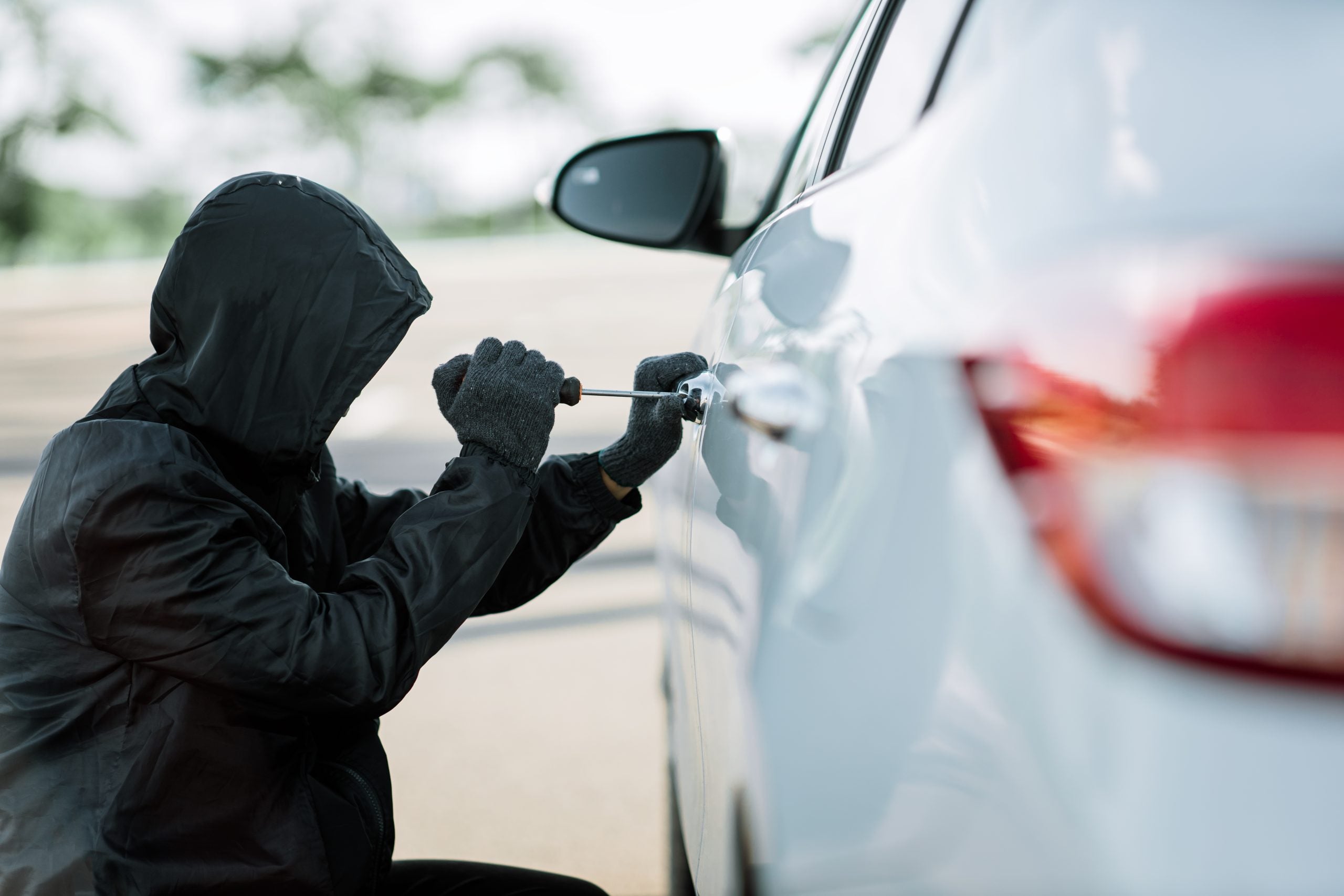
You decided to get some shopping done today, so you’ve spent all day bouncing between malls and department stores. You have one more stop to make, but it’s six o’clock, so rather than try to fight for parking up close, you just flip your ride into the very back of the lot—you need to get your steps in for the day, anyway. You lock your car, and walk on in. With your final stop complete, you grab the last of your newly purchased items and make the trek back out to your car. As you approach, something seems amiss. You’re positive you remember where you parked, it was right by that tree over there. Then, your heart sinks as you see a pile of broken glass lying right where your driver’s side door was. You realize your car has been broken into and stolen, along with all the other stuff you bought earlier. This could all be avoided, but how? The best way to prevent car theft is to park in your garage, but that isn't always possible. Let’s check out some other car theft prevention tips, as well as some modern advancements in anti-theft technology for cars. 6 Basic Tips to Protect Your Car from Theft Many of these car theft prevention tips below will seem like pure common sense—because a lot of them are. Be that as it may, let’s run through the list, just for fun. 1. Where Are Your Keys? We know, we know. “Who leaves their keys in the car all the time?” Lots of people, as it turns out. In our age of keyless fobs, some folks get used to just leaving the starter in their car 24/7, especially if they’re used to a regular ignition-style key. This can be fine if you live way out in the country, but in general, it’s bad practice for a multitude of reasons. If you find yourself having trouble remembering to grab your fob before you go, we recommend using a carabiner or lanyard and wearing it on your person, instead of just throwing it in the cupholder. This can be a great solution for how to prevent car theft at home. Remember, you can never be too careful. For a quick nitty-gritty on how key fobs work, check this out. 2. Be Careful Where You Park Parking way at the outskirts of a lot—especially if it’s dark outside or located away from a main road—is another dangerous habit to get into. Most people will at least try to find close parking, but some folks just prefer to park at the very first spot they come across. Seeing a car off on its lonesome emboldens would-be criminals to break into cars they otherwise wouldn’t. Even if you don’t have your car stolen, you might become a victim of catalytic converter theft. 3. Don’t Leave Valuable Objects Out As tragic as it is, this problem is especially prevalent around Christmas, when the sun sets early and parking lots stay packed with folks doing last minute shopping. If someone is prowling a parking lot looking for a car to break into and they see a brand-new Xbox in the front seat, it’s game over. So, how can you deter car thieves? Make sure you’re not leaving smaller valuables, like phones, wallets, or purses out in your car, even if it’s just a quick run into the gas station. If you have to have any larger things like electronics or appliances in the car for longer than a few minutes, bring a large neutral-colored blanket to cover them up with. 4. Be Aware of Your Surroundings A harsh reality is that some places just aren’t as safe as others. This is why it’s important to be extra careful in any unfamiliar locations. Staying aware of where you park is a good way to prevent car break-ins. How safe is Kansas City? Well, that depends where you are. We love our city and everyone in it, but unfortunately, KC Metro has been recently ranked as one of the more dangerous cities in the country, so it’s important to stay vigilant. 5. Be Aware of Your Car Which do you think a criminal would target first: a ’95 Chrysler Sebring or a brand-new GMC Yukon XL? Trick question—the data says it might not matter as much as you think. Conventional wisdom often dictates that the nicer the car, the more likely it is to be stolen. There may be a kernel of truth to this, but it’s likely not always the case. In a recent article by Reader’s Digest, they detail the top 10 most stolen car models in 2021, 7 of which are fifteen years or older. This likely has a lot to do with the popularity of the year, make, and model. 6. Get Anti-Theft Devices If you’re a little more paranoid and want to take it a step further, there are a number of aftermarket anti auto theft devices on the market that can work wonders. Here are some of the more popular and best car theft prevention devices. Faraday Bag So-named for 19th century scientist Michael Faraday, these gadgets basically consist of a pouch that’s made of materials that block electromagnetic signals. This effectively stops anyone from committing what’s called a " relay attack,” which is basically a form of keyless car theft. Because it’s so new, this style of stealing cars appears to be relatively rare compared to the old-fashioned ways. Still, it’s been on the rise in recent years, and every little measure helps. In the near future, these could prove to be one of the best keyless car theft prevention devices. Steering Wheel Lock These devices work in a number of ways, and no single one is made equal. Some claim to be “universal,” but more often than not, they’ll tend to play nicer with certain makes or models, so if you do buy one, make sure you do a bit of research. They work by preventing the wheel from turning properly. Some act as a bar that prevents the wheel from turning, some attach to the brake pedal, and some even cover the entire wheel. They may not be perfect, but they definitely add an important layer of protection. They can also act as a theft deterrent for the car just by sight alone. Wheel Chock Lock Instead of installing on your steering wheel, these clamp around the tire and onto the exterior wheel of your car. It basically works like a less heavy-duty version of a parking boot. They’re not exactly hard for the average person to install, but we wouldn’t really want to try clamping one on in the dead of winter. These devices are probably best left to the more hardcore segments of the crowd. GPS Tracker Setting one of these up on your car takes a bit of doing, but could very well be worth it for your peace of mind. They work just like any GPS tracker —they’re compatible with most, if not all cars, so the only decision you have to make is which one to buy. There are two common kinds. One hooks into your OBD2 sensor (the little plug-in under the steering wheel, right above where the gas and brake pedals are). These can be quite effective, but they’re pretty conspicuous, and easily spotted by a car thief. The second is remote, and mounts to multiple potential surfaces, whether it be a magnet on the exterior of the car, or a clip on the interior. Which Cars Have the Best Theft Deterrent? In our age of smartphone connectivity, there are tons of newer cars on the market with their own built-in systems to protect the car from theft. Here are a couple of our favorites. OnStar Guardian This one is actually available on just about any new car, and its track record speaks for itself. OnStar has been assisting with all manner of car troubles—including theft—for a long time now. Stolen vehicle assistance is just one of the many driver support features they offer. Check out how you can pair any McCarthy brand with OnStar here. Subaru Starlink This connectivity feature covers a lot of infotainment features, but one extra cool thing it does is assist drivers who’ve had their cars stolen. The app will give you a notification if your car has been broken into. Then, you can contact the police, and Starlink will work with them, using built-in GPS tracking to find your vehicle faster. The vehicle can also be remotely immobilized to stop thieves from driving any farther. Learn more here. Toyota Connected Services With Toyota Connect, you can monitor your vehicle’s condition on a number of levels. It alerts you when service is needed, and it can also help in case of vehicle theft. This service works much like other ones, with built-in phone notifications alerting you to potential theft, which allows you to get ahold of authorities, who can track your car via GPS. Find out more here. McCarthy is Here to Help If you have had your car stolen, don’t despair—the NCIB estimates that, in 2018, nearly 60% of stolen cars were recovered. Those are pretty decent odds! If you do recover a stolen car, and it has some damage, McCarthy Collision Centers has several locations across the greater Kansas City area. Contact any one of our auto body shops near you, and ask about how you can get a free estimate on body repair today.
What Ever Happened to Automatic Seat Belts?
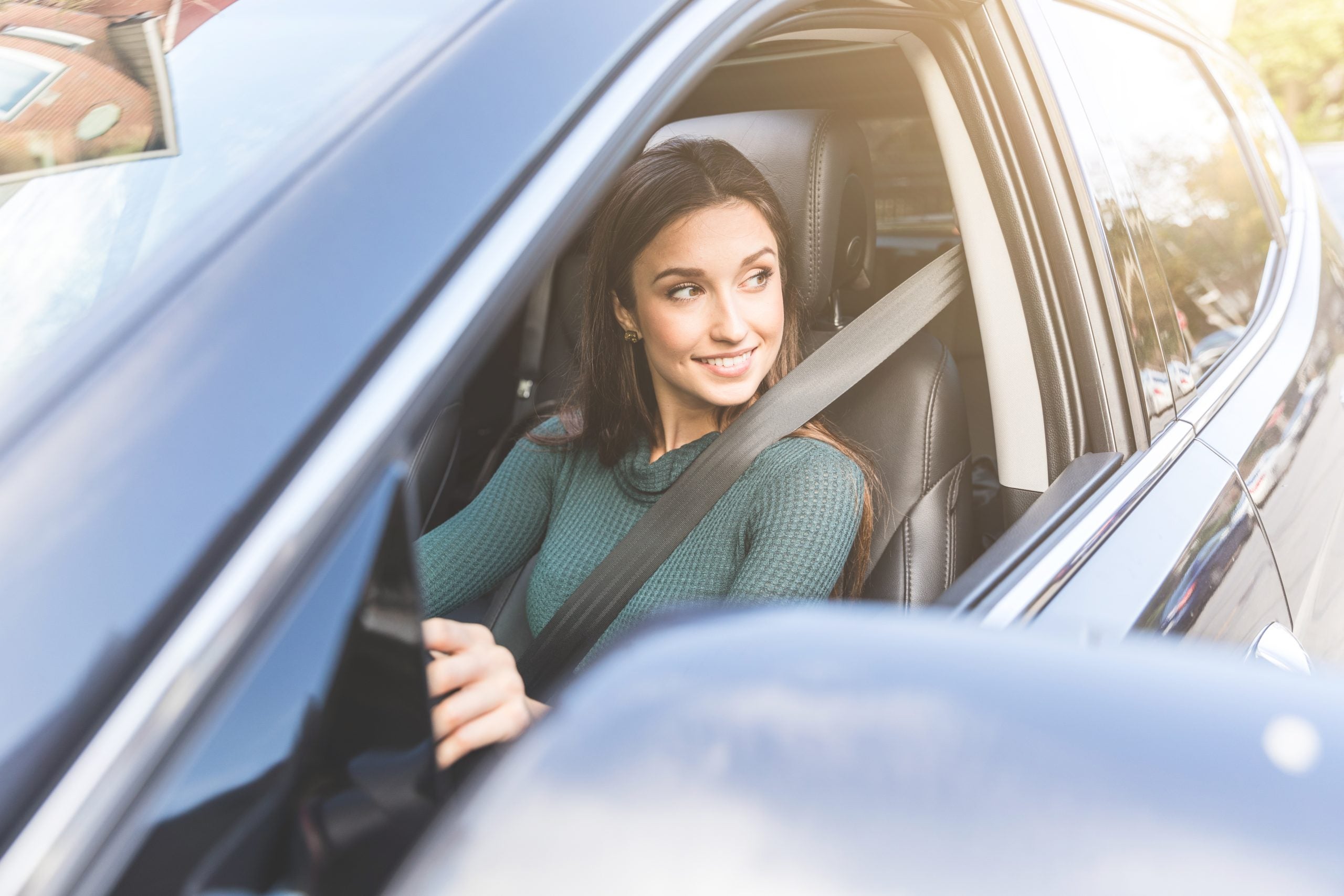
The 90s were a weird time. There are a lot of things that exist as sort of a hazy fever dream in our collective consciousness—like that time KISS took off the makeup and released a grunge album. Another example of ephemera we’d all rather forget? Automatic seat belts. If you’re under 30, you might not even remember them. These ill-fated safety restraints only existed for a short period of time before they were phased out… but why? Let’s cast our gaze back to check out where this technology came from, and where it ultimately went. A Brief History Beginnings There was a time when people thought that automatic seat belts were part of the ultimate solution for reduced traffic deaths. After being sparingly introduced by certain automakers in the late 70s, members of the Carter administration introduced legislation that would require the entire auto industry to have either automated seat belts or airbags by the mid-80s. This was at a time when seat belt usage was staggeringly low, with less than 20% of people reportedly wearing them. The deadline was repeatedly extended in the face of pushback from the car industry, as well as safety authorities like the IIHS, who argued that airbags were superior. Still, since they had to choose one or the other, many auto manufacturers chose passive restraints because they were far cheaper than then-new airbag technology. Heyday By the early 90s, auto seat belts were a dime a dozen. There were a few different ways that they worked. One common iteration was a mechanism that slid from the A-pillar (straddling the windshield) back to the B-pillar (the space between the front and rear doors). This was only a two-point system, meaning there were only two points of connection—therefore, the automatic belt only went diagonally across the driver’s chest, and lap belts still had to be buckled manually. This led to a lot of folks disregarding the optional lap belt altogether, which, it was later discovered, was actually more dangerous than not wearing a harness at all in certain instances. Other interesting “automatic” designs required that you simply… leave it clipped in. The seat belt would be mounted to the door itself, as opposed to the body of the car, so you could just sort of shimmy in between the belt and the seat. The End of Auto Seat Belts It’s interesting, the things we take for granted. There was a time not so long ago that almost no cars on the road even had air bags. That all changed by the mid-90s, when legislation mandated that all vehicles have driver’s side airbags. By the year 1998, all new vehicles in production were required by law to have operational airbags on both the front and passenger sides. This, it turned out, was the beginning of the end for automatic seat belts. By this point, it was well-known that automated safety harnesses were not the magical fix-all that some lawmakers hoped it would be. In the end, you simply can’t automate away human stubbornness. While seat belts are considered to be an incredibly important factor in reducing traffic injuries, the automatic versions have been relegated to just being another misstep in safety technology. Seat Belt Laws Eventually, state governments decided it was best to simply require motorists to wear a seat belt by law (Hew Hampshire is the only US state that doesn’t). Still, even though 49 out of 50 states have some form of seat belt law, they do vary from state to state. Kansas state law, for instance, requires that all passengers aged 14 and up must be wearing a safety restraint at all times. It also notes that children under a certain age, height, or weight must be using an appropriate supplementary system, e.g., a car seat for infants and toddlers, or booster seat for older children. Kansas restraint laws are also upheld by primary enforcement, meaning a police officer can issue a fine solely for improper restraint use, and does not need another excuse to pull drivers over. Missouri state law is slightly more laid back. The statutes for infant and child safety restraints are the same: it’s recommended that children remain in a booster seat until roughly age 8 or 9, or as long as the child is under 4’ 9” or 80 pounds. Passengers over the age of 16 are only technically required to wear a restraint if they are in the front seats. Missouri’s seat belt laws are also classified as secondary enforcement, meaning an officer cannot pull a person over just for a safety restraint violation; another violation, like speeding or reckless driving, must occur first. Modern Advancements in Seatbelt Safety Regardless of your local statutes, at McCarthy, we always recommend proper seat belt and child harness usage for everyone in the vehicle. Air bag technology may be worlds away from what it was back in the 80s and 90s, but relying on them alone is simply not enough. Research by the NHTSA has estimated a 45 percent reduction in fatal injuries when drivers and passengers in the front seat use safety restraints. In addition, the IIHS reports that unrestrained rear passengers increase fatal risk to the driver by a staggering 137 percent, compared to rear passengers who are properly buckled in. Seat Belt Reminder Alarms They may be supremely annoying if you’re not used to them, but we promise they aren’t more annoying than catching an airbag to the dome. The IIHS has just started its first seat belt reminder evaluations, with the ultimate goal to push lawmakers and automakers to further improve standards. Currently, the federal regulation requires an audible signal that lasts 4 to 8 seconds, which the IIHS has stated is insufficient. One of our favorite brands, Subaru, ranked very well in the study. Seat Belt Extenders Making sure your safety restraint fits properly is quite literally a matter of life and death. They’re designed to work in conjunction with air bags and vehicle crumple zones to distribute the impact of a crash and conserve inertia. An ill-fitting harness can increase the potential of injuries like whiplash. Seat belt extenders offer a potential solution, but when buying a new car, make sure you speak to a professional who can steer you toward some genuine auto parts. Racing Harnesses These employ significantly stronger materials and more points of contact to better protect drivers during a high-speed collision. They’re generally considered unnecessary unless you’re… well, racing. If you’re taking a sports car out on the track, a 5, 6, or 7-point harness can be a well-worthy investment. Just make sure, as with the extenders, you’re consulting a professional before buying and installing. Inflatable Seat Belts These are uncommon, and usually only found in the rear seats to make up for the lack of airbags. They can be beneficial for younger passengers in the event of a crash, but if you have a child in a car seat, make sure you do some research on which models are compatible. Need Your Seat Belt Repaired? Maybe you got into a fender bender and broke the crash tensioner. Maybe your dog gnawed a hole in the restraint. Or maybe your ride is just getting old, and the buckle doesn’t function properly anymore. No matter the case, we can’t stress this enough: if any part of your seat belt is broken, get it fixed immediately. If your seat belt is broken, don’t try to fix it yourself. Our team of collision experts are more than happy to help get your car safe for the road ahead, whether it be complete replacement or recommendations on a vendor that sells quality replacement seat belts in Kansas City. Find an auto shop near you to get help with seatbelt repair, airbag replacement or general collision damage service.
12 Tips to Protect Your Car from Hail Damage
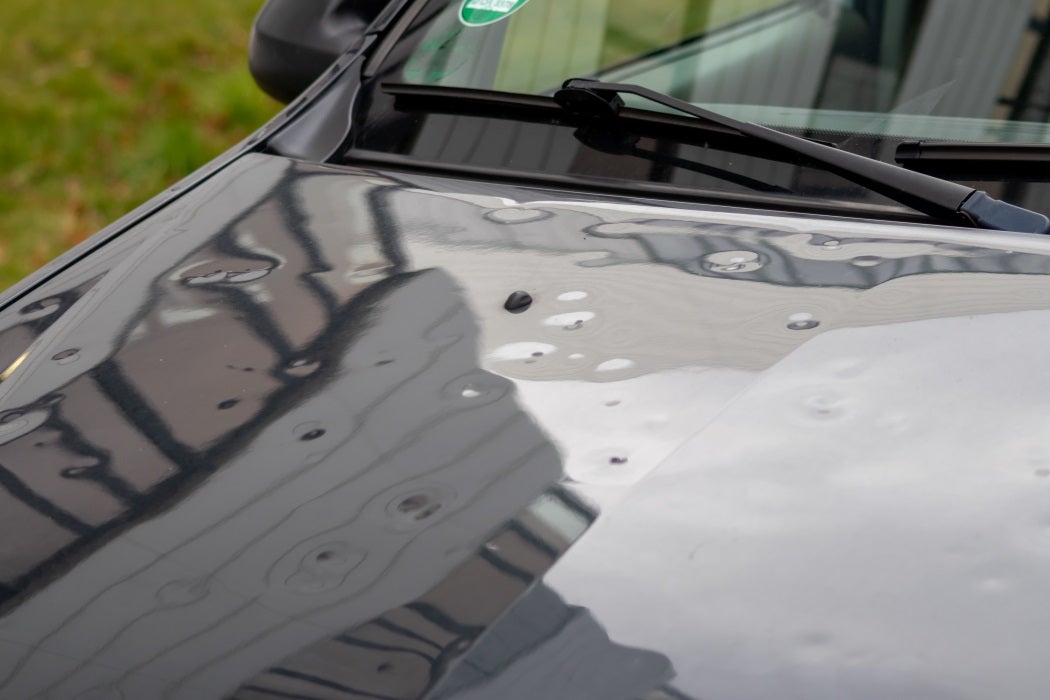
You hear the weather report call for hail—and not just any old hail, either. We’re talking about monster, “golf ball-sized” hail that takes no prisoner. It’s the type of hailstorm that you wouldn’t wish upon your own worst enemy... yet your car is sitting in the driveway, uncovered, with only thoughts and prayers to keep it safeguarded from hailstones. Wondering what you can do or use to keep your vehicle safe in a hailstorm? Here’s how to protect your car from hail and prevent excessive vehicle repair costs this spring. 12) Buy a hail car cover Do car covers protect against hail? You betcha. If you don’t have a place to shelter your vehicle, like a garage or even a covered parking spot (that you paid an arm and a leg for), a hail protection car cover may prevent shattered windshields and hail dents on your vehicle. Or, at a minimum, you’ll only be looking at minor hail damage to your vehicle. You have several options for hail covers, including expensive products like this inflatable car cover for hail, the Hail Protector System ($400), as well as cheaper protectors like this multi-layer cover ($70). We recommend OEM car covers that are designed to fit snugly around your specific model. Although our collision repair centers repair hail damage in Kansas City, we’d be happy to help you find a hail-proof car cover or truck cover. Contact us for assistance. 11) Try a “hail blanket” Purchasing a hail cover for your vehicle is an investment. On the cheap, you can try substituting that cover with a thick blanket. To ensure you have adequate vehicle coverage from hail, be sure to tuck the blanket ends into the door, under the hood, inside the trunk lid, and even in the windows. Close them tightly, ensuring you have access to door handles to reenter your vehicle once the storm passes. Note: Do not duct tape blankets to your car! Some other “how to protect your car from hail” articles may suggest this, but it’s not good advice. The adhesive on duct tape can certainly peel away car paint, and the tape itself will be difficult to remove once the hail stops. Use the tactics above to get the best protection from hail with a blanket. 10) Use floor mats or rugs on windows If you don’t have enough (or large enough) blankets, you can mitigate some of the more major hail damage by using your car’s floor mats as a hail windshield cover. Put the softer, carpeted side on the window, and the hard rubberized side facing up. Hail hates rubber (so we heard). 9) Cardboard boxes work The rule of using cardboard as a hail protector is simple: Make sure the cardboard is thick and sturdy. With hail, you’ll likely get rain, and thin, cheap cardboard will absolutely disintegrate when it gets wet. A thicker panel of cardboard, like that of a corrugated appliance box, offers better survivability in hailstorms. To support the cardboard on your car, consider attaching strings or bungee cords to door handles (pull them over the roof to attach each side). 8) Towels are an option Use the same tactic as the blanket and fold all towels into the car securely. You may need to get creative here, as you’ll obviously have many more towels to secure down. 7) Fold your side mirrors in Hail can easily crack side-view mirrors, as they’re quite thin and flimsy. Folding them in will help to protect the reflective part, though the mirror’s casing will be at the mercy of Mother Nature. (If you need auto glass replacement in Kansas City after a hailstorm, contact us!) 6) Park under a tree In storms, it’s not advisable to park under or near trees, as limbs can easily snap and fall onto your car, causing a significant amount of damage. However, if the upcoming hailstorm isn’t going to be accompanied by high winds and lightning, trees can offer a moderate amount of protection from hailstones. Note: Hailstorms are usually accompanied by wind and potential lightning. Park under trees at your own risk. 5) Put plywood on your roof rack If you own an SUV with a roof rack or crossbars, you can buy a cheap, 6-foot-long plywood board and attach it to the top. This will offer a little protection from hail dents on your roof, hood, and windshields, but you’re open to smashed windows and mirrors, as well as dents along the car’s side. Note: It’s important to secure the plywood properly! Windy conditions will put lots of stress on flat objects like plywood, and if not adequately secured, it may cause more damage than the hail itself. It can also break apart and fly into other objects, vehicles, or homes. 4) Know where the closest indoor parking garage is If you simply can’t hail-roof your car—whether that’s due to lack of time, resources or a general sense of post-2020 apathy—you should pay the small fee to park your car in a nearby parking garage or covered lot. The $5 or $10 fee is far less than the costs of paintless dent repair or hail dent removal. 3) Don’t use rocks as weights Instead of folding blankets into car doors and windows, people will sometimes use “heavy” rocks to keep blankets in place. This is a terrible idea. The blankets can easily grab wind and lift the rocks up; as you’d guess, that would leave your vehicle unprotected from both hail and the flying rocks. 2) Always have adequate insurance coverage Does car insurance cover hail damage? If you have opted for full comprehensive auto insurance, you should be covered. However, if you only have an auto liability policy, repairing dents or windshield damage from hail will likely come out of your pocket. Be sure to speak with your insurance agent prior to spring if you’d like to be financially protected from hail. 1) Go Small Is your vehicle in the driveway because you’ve had to forgo cleaning your garage due to work/school/pottery classes/baptisms/choir practice/whatever other responsibility or hobby you have? Instead of getting your hands dirty, you can choose to downsize to a smaller vehicle. Even the best deterrents and preventative measures may not be enough to protect your car from hail. If your vehicle’s become the victim of a hail-and-run in the Kansas City area, be sure to have it towed to a professional collision center or auto body shop near you that works with your insurance company. Contact McCarthy Collision Centers at 1-800-NEW-AGAIN, and we’ll do what we do best: Get you back on the road. Our hail repair body shops serve customers throughout the Kansas City region, including Olathe, Blue Springs, Overland Park, & Lee’s Summit. Click here for directions to your nearest McCarthy location.
Potential Car Technology to Stop Drunk Drivers
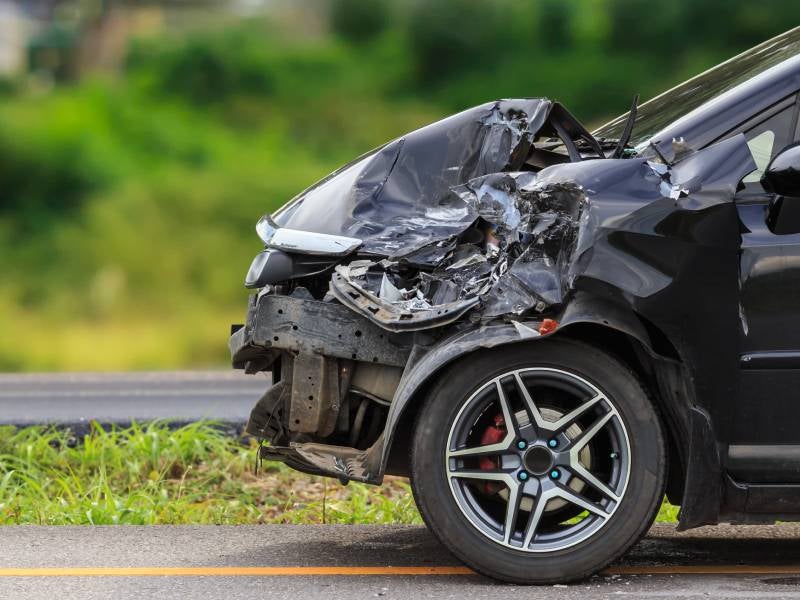
If the stars align, automakers will be tasked with finding a solution to drunk driving in the next few years. At least, that’s one of the primary goals laid out in the country's new infrastructure bill, which has been see-sawing on “yay” or “nay” for months. Drunk drivers injure more than 300,000 people and kill over 10,000 people a year, the latter of which equates to nearly half of all traffic-related fatalities. Considering the data indicating that only 2% of Americans drive while intoxicated, that’s a lot of unnecessary pain and death. So, even if the “nays” end up securing a “win,” it’s important to note that mandates aren’t necessary for automakers to do the right thing and start producing cars with anti-drunk-driving technology. Heck, some would argue that it’s the smart choice given our shared proclivity to, you know, stay alive. What exactly could vehicles to do stop drunk driving? Is there already technology out there or does it need to be invented before 2026? According to some engineers and industry experts, we’re close to figuring it all out. The Options: MADD + DADSS The Driver Alcohol Detection System for Safety (DADSS) is the project automakers and the NHTSA have developed. Their goal: Create new technology to passively detect intoxicated drivers before they can get on the road. While automakers and the Transportation Department investigate possible solutions, Mothers Against Drunk Driving (MADD) has identified over 240 different automotive technologies that could prevent intoxicated driving. Some of their proposed solutions are fantastical, though others are more pragmatic and utilitarian. Below are some technologies that may prove to be useful right away. Advanced Driver Assistance Systems Currently, the best in-vehicle technology to save lives due to drunk drivers all fall under the “advanced driver assistance” umbrella. In particular, systems like lane-change warning, lane-change assist, attention monitoring, and emergency automatic braking all serve a purpose in this endeavor. Lane Change Warning/Assist This technology alerts the driver when they’ve ventured outside of their lane without using a turn signal. Some of these systems sent vibrations and audible warnings, while others actually provide corrective steering to keep the vehicle in its lane. Nearly all automakers have lane-change alert/warning as either standard or optional equipment on their vehicles. Attention Monitoring Many automakers, including GM, Hyundai and Nissan, already have some form of eye-tracking technology to detect distracted drivers. These systems keep watch for any signs of inattentiveness and may even provide corrections to prevent collisions. While they’re not entirely foolproof, they may be the most practical, short-term solution to stop drunk drivers behind the wheel. As of 2022, driver monitoring is available on most new vehicles, including those produced by GM, Honda, Hyundai, Nissan, Subaru, and Toyota. Emergency Automatic Braking If a collision is imminent, this system automatically applies the brakes to prevent or reduce damage. The systems may also be able to detect and brake for pedestrians. Most new vehicles offer emergency braking, with or without pedestrian detection. Push-Button Starter with Sensors Wisconsin’s WISN 12 interviewed Dr. Walter Schilling, a software engineer, to discuss the potential tech that could eliminate drunk driving. “One of the initial ideas is some sort of a sensor that would either be embedded in the start button or on the steering wheel,” Schilling said. “And what it would do is shine infrared light into your finger and basically look for the telltale signs of alcohol in the blood.” David Harkey, president of the Insurance Institute for Highway Safety, also believes in technology like this. “I actually think this particular technology could save more lives than airbags,” he said. “We're talking about more than 10,000 people that are losing their lives annually as a result of alcohol-impaired driving in the country.” Breath and Air Analyzers Schilling also mentions that traditional breathalyzers could be modified to measure the alcohol content in the cabin itself, not just the person’s breath. MADD calls this technology “passive alcohol detection,” which they claim could prevent more than 9,400 lives per year if it’s made standard on all vehicles. The following brands either have or are developing these systems: Ford, GM, Honda, Hyundai, and Toyota. DADSS researchers have designed special sensors, mounted on the vehicle’s dash or windshield, that only require drivers to breath in its direction to check their approximate blood alcohol content (BAC). As part of a pilot program, these sensors are actually being utilized by small freight companies to monitor drivers of large transportation trucks. Self-Driving Vehicles Of course, self-driving or autonomous vehicles have been “on the horizon” for several years now, yet there have been many hiccups and speedbumps to make them commonplace. For one, many people can’t afford to pay close to $100,000 for a self-driving electric car, which puts this technology out of reach for most. There are affordable alternatives, however. The average car buyer might look at Chevrolet, which has produced a semi-autonomous driving feature, Super Cruise, in its new Chevy Bolt EUV. The new Bolt isn’t the solution to drunk driving, but it’s a step in the right direction. How to Report a Drunk Driver If you suspect a drunk or intoxicated driver on the road, please report it. You have an obligation to keep yourself, your family and your fellow humans safe. For Kansas City drivers, you can report erratic behavior in several ways, according to the Kansas Highway Patrol and Missouri State Highway Patrol: Call *47 to report an immediate problem, such as an erratic driver on a Kansas highway. Call *KTA (*582) to report an immediate problem on the Kansas Turnpike. Dial 1-800-525-5555 or *55 to report a traffic crash, emergencies, intoxicated or drugged drivers, reckless driving, vehicle problems, hazardous material spills, or criminal activity. Dial 911. Now, if only they would create technology that disables vehicles when drivers are caught texting. ( Don’t text and drive!) If you’ve been the victim of a drunk driver and require a good body shop in Kansas City, request a tow to McCarthy Collision Centers. We work with nearly all insurance companies, offer free estimates, and provide professional autobody repairs quickly. Call 1-800-NEW-AGAIN to speak with our team in Olathe, Blue Springs, Overland Park, or Lee’s Summit.
Catalytic Converter Theft 101: The Art of Prevention
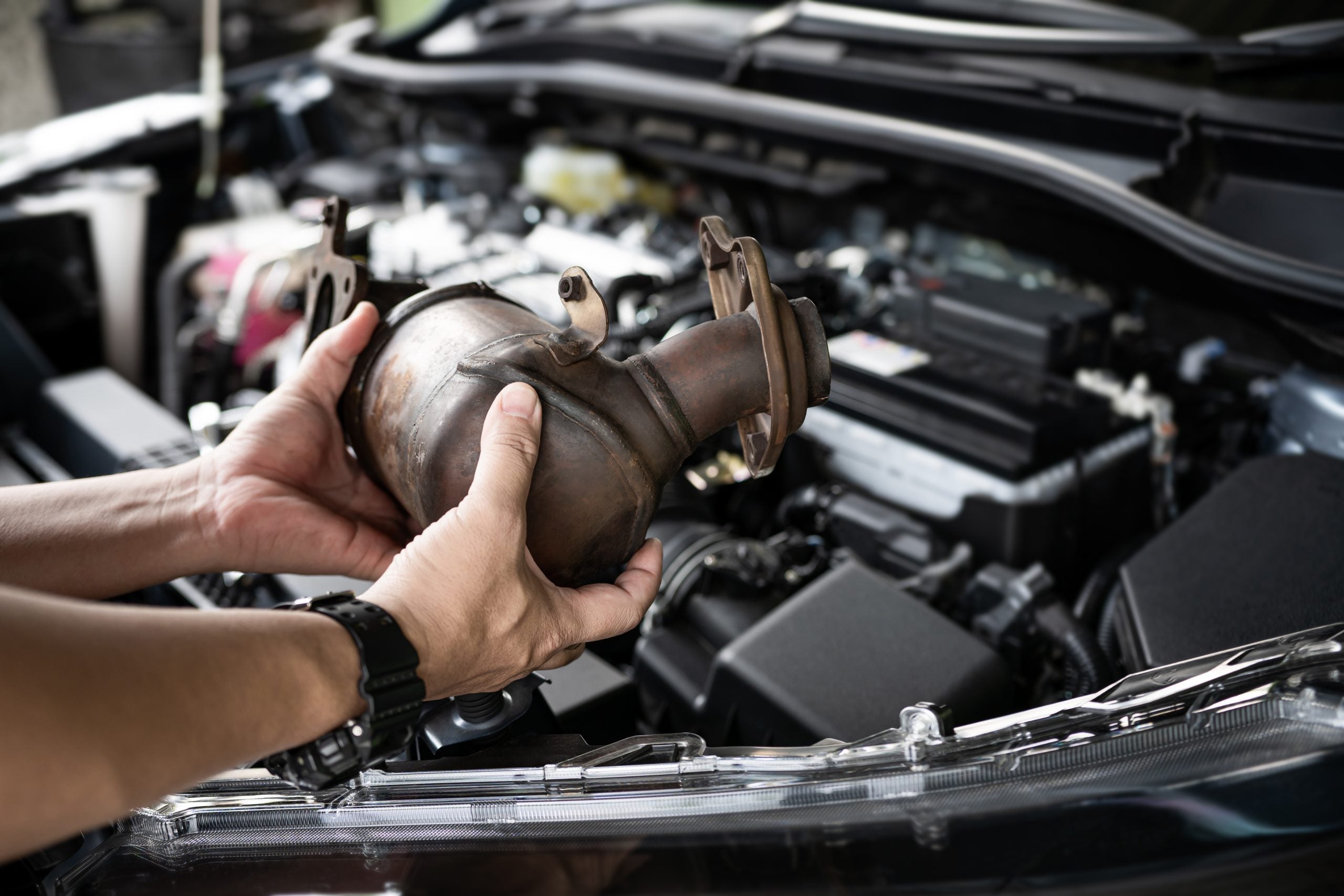
Your vehicle’s catalytic converter has one purpose: to control the amount of pollution you emit. To do that, catalytic converters are crafted with several precious metals – this includes palladium, rhodium, platinum and sometimes even gold – that act as pollution filters or scrubbers. Therein lies the dilemma. While these precious metals are vital to reduce your carbon emissions, they’re also extremely expensive. For instance, as of January 2022, rhodium fetches over $15,000 per ounce. Each catalytic converter has approximately 1 gram of rhodium inside it, which equates to a market value of over $500. Thieves have taken note. Catalytic converter theft has increased by about 400% nationwide since the start of 2020 – and there’s no end in sight, even as lawmakers are enacting laws across the country to deter crooks from stealing catalytic converters. Worst of all, catalytic converter thieves can do their work in as little as 60 seconds. If you’re worried about your catalytic converter being stolen, prevention may be your only recourse. Most Stolen Catalytic Converters While any vehicle can be targeted by thieves, it appears that certain vehicle types and models are most susceptible to catalytic converter theft. Due to their ground clearance – the more ground clearance, the easier it is for crooks to slide under the vehicle – pickup trucks and large SUVs are the most likely candidates. Hybrid cars are even higher on the list. Because they’re built to emit less pollution, hybrid exhaust control systems, like Prius catalytic converters, have more and maintain their precious metals longer than standard car catalytic converters. That makes them more valuable when sold to a scrapyard. (Selling stolen catalytic converters can fetch as much as $700 each, while the price for a replacement catalytic converter can easily be over $2000.) The easiest catalytic converters to steal, or at least the most stolen catalytic converters, come from the following newer models and brands: Toyota Prius Toyota Tacoma Toyota Tundra Toyota 4Runner Honda Accord Honda Insight Honda Odyssey Lexus SUVs Ford F-150 If your vehicle appears on the list above, take steps to protect yourself. Here’s how. How to Prevent Your Catalytic Converter from Being Stolen No matter the time of day, thieves will swipe your catalytic converter if they want it. Money is involved – sometimes a lot of money – so you can only take steps to deter them from cutting it out. We recommend the following catalytic converter protection methods: Park Inside a Garage If they can’t see it, they can’t steal it. These soon-to-be felons aren’t ashamed of stealing right from your driveway while you sleep. Park Close to Other Vehicles When parking in public, try to find a spot that makes it difficult for thieves to jack up your car or slide underneath. This may include parking close to other vehicles, preferably smaller cars with low ground clearance, curbs, and other objects. Park Where it’s Visible While it’s true that catalytic converter theft is happening more regularly in daylight, thieves definitely don’t want to deal with extra attention if they can avoid it. When putting your car to rest at night, if you can’t find a secure garage to store it, the next best option is to keep it underneath a streetlight, preferably on a busy or highly visible road. If it’s near an obvious security camera, that can also be a helpful deterrent. Set Up Motion-Sensor Lights If you can’t park in a garage or under bright lights, maybe invest in a cheap driveway motion detector light. This works even better if you have a doorbell camera system set up to record, too. Best of all, if your doorbell camera connects to your home security system, that security company may automatically alert the police. (Speak with them for details.) Install a Catalytic Converter Lock or Cage You can also buy and install a cheap catalytic converter anti-theft device to stave off would-be thieves. Catalytic converter cages or clamps use heavy-duty metal wiring that connects to the frame or engine block in several places. The benefit of a catalytic cage is that they increase the time it takes to cut and remove the component, which inexperienced thieves may want to avoid outright. (Cages for catalytic converters include Catstrap and CatClamp.) You can also get a catalytic converter shield, which is usually fitted for specific models like the Prius, Tacoma and Accord. These are more expensive than cages, but they may provide extra peace of mind. That’s because catalytic converter security shields cover the entire converter and can damage cheap cordless saw blades. (Products include the Cat Shield by MillerCAT.) Do catalytic converter shields work? Although they can be bypassed, thieves will have to spend more time under your car--and that's a deterrent in and of itself. For those with welding experience, DIY catalytic converter locks can work well to stop cat thieves. This is a more affordable option, though it’s wise to seek out a professional auto body specialist if you aren’t comfortable welding something to your frame – especially if doing so would void the car’s warranty! Install a Catalytic Converter Alarm An alarm system specifically for your catalytic converter is an excellent alternative to a catalytic converter shield or cage. They attach straight to the converter and monitor it for vibrations; if it senses someone fiddling around when activated, it will let loose a siren to notify everyone in the neighborhood. Buh-bye thief. (Products include the Procatt Alarm, Fast Guard Alarm, and Cateye.) Etch Your VIN into the Catalytic Converter If you can etch something (like your vehicle’s VIN) onto your catalytic converter, it may deter robbers. This is because thieves will have a more difficult time selling something if it’s clearly been stolen. Scrap yards and shady mechanics will want to avoid fines or even being charged with a felony. The key is to ensure the etching is very visible. Paint Your Catalytic Converter Another option is to lather your entire catalytic converter with a brightly colored, high-temperature spray paint. Thieves may pass on your painted catalytic converter because they’ll need to manually remove the paint in order to sell it. Check Your Auto Insurance If you own a vehicle that thieves are frequently targeting, or if you’re aware of a growing trend of catalytic converter theft in your area, speak with your insurance agent. You may want to switch to a low-deductible plan that covers stolen vehicle components. This won’t stop crooks from sliding under your vehicle, but it will surely help you avoid paying extra for their evil deeds. Catalytic Converter Replacement in Kansas City If you find that your catalytic converter is missing, you’ll want to remedy that right away. Driving with a catalytic converter is possible, though it will be very noisy – perhaps even noisy enough to break an exhaust noise law in your area – and could cause noticeable losses to fuel economy, acceleration and power. Need catalytic converter cage installation near Kansas City? Come to McCarthy for assistance. Request a free estimate from our Kansas City body shops to find out your costs to replace a stolen catalytic converter. Feel free to ask us about installing a catalytic converter plate or security device to prevent future theft, too! We’re here to help you make the best of a bad time.
Is Your Heavy Keychain the Reason Why Your Car Won’t Start?
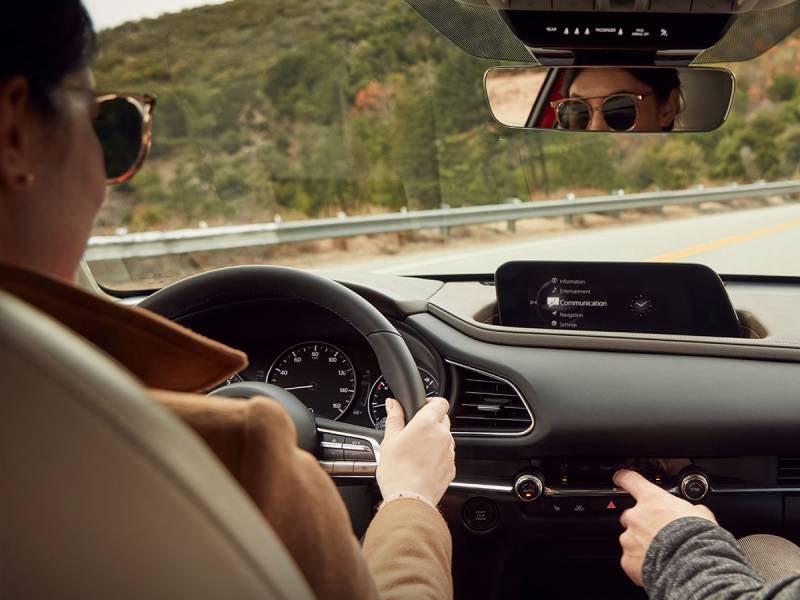
We know what you’re thinking: “Is this a joke? Can car ignition trouble really be caused by having too many keys on my keychain?” We ain’t lying! Although somewhat rare, a heavy car key chain can really do a number on your vehicle’s ignition. While most of your vehicle is durable, automotive ignitions aren’t built for a bunch of downward pressure. Every time you go over a bump, make a wide turn or hit a pothole, each ounce of metal attached to your keyring feels like a literal ton to your ignition cylinder. Over the course of years, all that extra weight can damage those delicate internal components, like steering lock barrels, that make your car go vroom. It’s not just the cause of car starting problems, either. A heavy keychain for car keys can lead to some very dangerous and unsafe situations that undoubtedly put your life in jeopardy. For instance, if your ignition shifts out of place, your entire set of keys could loosen and fall out – while the vehicle is in motion. “That seems kinda cool...” Sure, you’d have a nifty magic trick to show your coworkers. But there’s one glaringly obvious problem: How do you stop the car? If the ignition is shifted badly enough, reinserting your car keys to turn your vehicle off may become difficult if not impossible. (Guess you’ll just have to wait until the gas tank runs empty.) How Much Weight is Too Much Weight? Unfortunately, scientists have more important things to do than run studies for a “too many keys on keychain” solution. But if your keyring is equal in weight to a Chipotle burrito, you can make an educated guess that it’s probably too heavy. A good solution is to shrink your keychain down to maximum of 5 essential keys. (That way you don’t have to give up that cute car keychain you got for Christmas.) A better solution is to separate your car key from your other keys. (Yay! Two cool car keychains for you!) The best solution is to join us in the 21st century and buy a vehicle with push-button start. (Why make life more difficult than it already is by having more than one keyring?) Any of our Kansas City car dealerships can help you out there. “...I Think I Need a New Ignition Now.” If this lit a lightbulb for you, just be glad that there are solutions. Either make changes to your keychain before you experience problems starting your car, or seek out an auto repair shop near you to replace your ignition cylinder. For the latter, ask your McCarthy Collision Centers for advice. Although we specialize in auto body repair in Kansas City, we have the tools and know-how to fix your broken ignition before it can cause a crash. An ounce of prevention is worth a pound of cure. Contact a McCarthy auto body shop to request a quote, get a free estimate and learn more about our services. We have locations in Overland Park and Olathe, KS, as well as Lee’s Summit, and Blue Springs.